The Quad, comprising the United States, India, Japan, and Australia, has announced a significant expansion of its agenda, focusing on enhanced cooperation in maritime security and establishing a ‘Critical Minerals Initiative’ aimed at reducing dependency on China for essential resources. This initiative is designed to secure supply chains crucial for high-technology production, responding to concerns about economic coercion and supply chain vulnerabilities.
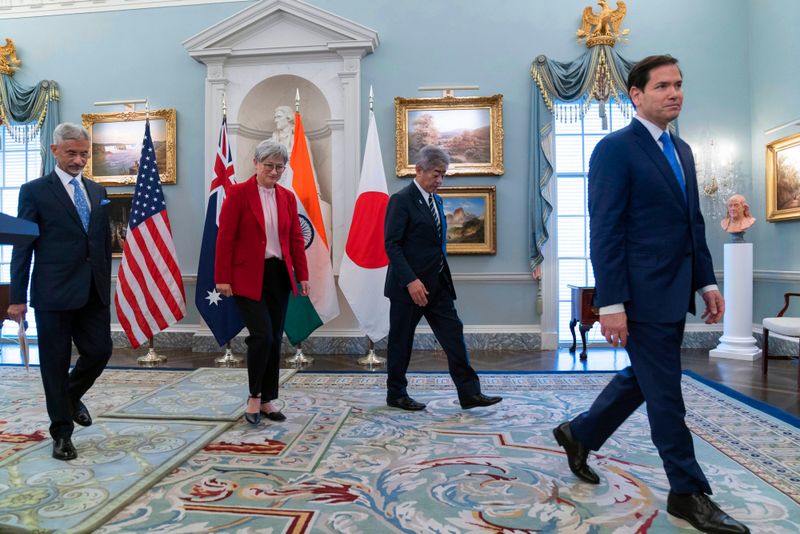
During a meeting of Foreign Ministers in Washington, D.C., led by U.S. Secretary of State Marco Rubio and counterparts from the other Quad nations, a joint statement outlined four key areas for development: maritime security, economic prosperity, emerging technologies, and humanitarian assistance across the Indo-Pacific region. The Quad is particularly concerned about China’s “dangerous” and “coercive” attempts to alter the status quo in both the South and East China Seas. They reaffirmed their commitment to defending the rule of law, national sovereignty, and territorial integrity.
The quadrilateral group expressed deep concern over the fragility of key supply chains for critical minerals, emphasizing the risks of excessive reliance on a single country for processing and production. The statement highlighted the economic threats posed by this dependency, including price manipulation and supply disruptions, which can compromise national security.
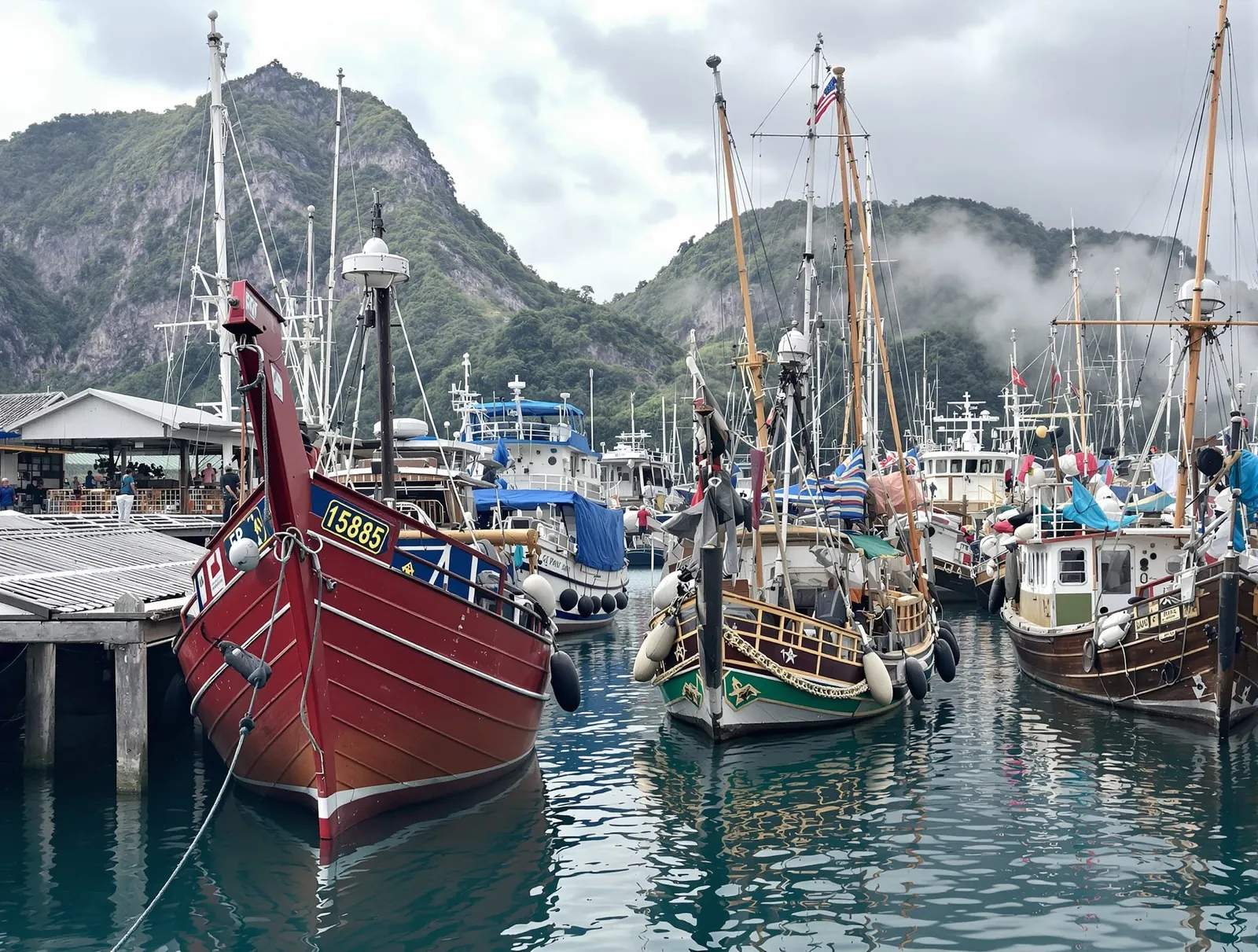
In terms of maritime cooperation, the Quad members committed to expanding initiatives that enhance law enforcement capabilities within the region. This includes training programs, legal dialogues, and partnerships among Coast Guards to counter China’s assertive maritime claims. They asserted their collective stance that peace and stability in maritime domains are vital for the region’s security and prosperity.
The Quad’s joint statement explicitly condemned unilateral actions by any nation, referring indirectly to China’s approach in these regions. They reiterated their opposition to any attempts to change the maritime status quo through force or coercion, highlighting China’s aggressive actions in obstructing navigation and resource development.
Additionally, the Quad plans to launch the ‘Quad Ports of the Future Partnership’ in Mumbai and has collectively provided over $30 million in humanitarian aid following an earthquake in Myanmar. The member nations also aim to conduct their first joint Indo-Pacific Logistics Network training exercise to improve their disaster response capabilities.
Overall, the Quad’s agenda reflects a proactive approach to bolster cooperation among member nations, enhance maritime security, and address economic vulnerabilities, particularly in response to China’s growing influence in the Indo-Pacific region.
Source link