In a significant turn of events for Scotland’s maritime industry, Norway has awarded a £10 billion contract to the UK for the construction of Type 26 frigates, which has major economic implications for the region. This contract promises to secure 4,000 skilled jobs, 2,000 directly at BAE Systems’ shipyards on the Clyde and another 2,000 across the UK maritime supply chain, extending into the late 2030s. Additionally, 103 Scottish businesses, including many small and medium-sized enterprises, stand to benefit from this agreement.
This development is hailed as a result of sustained efforts by Conservative governments that have invested heavily in revitalizing Britain’s naval shipbuilding capabilities and reestablishing Scotland’s central role in global defense. Notably, the path leading to this milestone was paved by decisions made between 2016 and 2019, including the initiation of the Type 26 frigate program and significant investments that created thousands of jobs in Scottish shipyards.
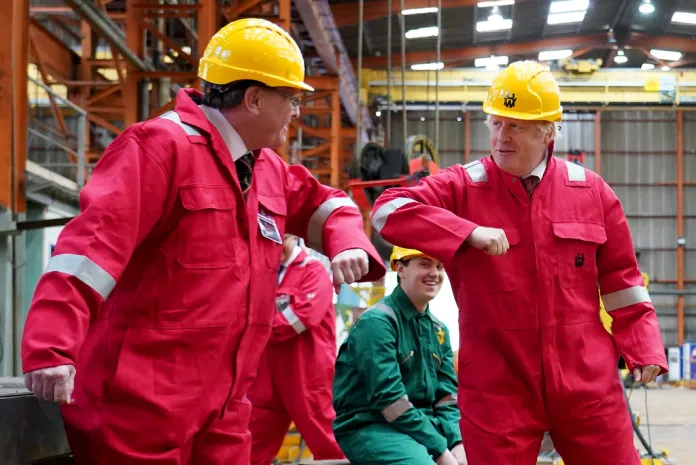
Boris Johnson underscored this enduring commitment to shipbuilding, emphasizing its importance for the UK’s industrial future and the training of the next generation of skilled workers. In March 2022, his administration launched a revamped National Shipbuilding Strategy, aiming for over £4 billion in shipyard investments, which ultimately contributed to securing this contract with Norway.
The significance of this deal extends beyond economic benefits. It reinforces strategic ties between the UK and Norway, enhancing NATO alliances amid rising geopolitical tensions, particularly concerning Russian threats in Northern Europe. The Type 26 frigates’ global reputation is further evidenced by similar orders from Australia and Canada, showcasing their advanced capabilities.
Scottish Secretary Ian Murray framed the contract as a “defence dividend” for Scotland, highlighting the impressive skills of workers in the Clyde shipyards and the broader benefits to the UK prosperity and international security that the deal represents. The frigates, designed for anti-submarine warfare, will enhance UK-Norway defense collaboration and contribute significantly to Euro-Atlantic maritime security.
Moving forward, the deal is anticipated to pave the way for a new UK-Norway defense agreement, fostering industrial cooperation and economic growth on both sides of the North Sea. Ultimately, this contract not only secures jobs and stimulates the economy but solidifies Scotland’s pivotal role in NATO’s naval strength for future generations, reflecting the Conservative commitment to building a robust shipbuilding industry in the UK.
Source link