On December 16, 2023, Singapore’s Prime Minister Lee Hsien Loong and Japan’s Prime Minister Fumio Kishida announced a significant new agreement aimed at enhancing cooperation in the maritime sector. This pact, known as the Green and Digital Shipping Corridor, focuses on the decarbonization and digitalization of shipping, emphasizing both nations’ commitment to sustainable development.
During their meeting in Tokyo, PM Lee expressed enthusiasm for the ongoing collaboration between Singapore and Japan, particularly in the realms of digital technology and green practices. He highlighted the importance of ASEAN-Japan relations as they celebrated 50 years of diplomatic engagement, paving the way for even deeper alliances. Singapore is set to take over the role of ASEAN’s country coordinator for Japan in mid-2024, further solidifying their diplomatic ties. Additionally, the two nations are preparing to mark 60 years of bilateral relationships in 2026.
PM Kishida stressed the urgency of enhancing cooperation to maintain a free and open international order centered on the rule of law, a principle he noted as essential during this pivotal moment in global history. Both leaders affirmed the long-standing relations between their countries while discussing broader areas of mutual interest, including future economic strategies, sustainability, energy, and security.
The Green and Digital Shipping Corridor agreement—signed by Singapore’s Acting Transport Minister Chee Hong Tat and Japan’s Transport Minister Tetsuo Saito—is viewed as a milestone. This collaboration aims to establish standards for decarbonization and digital advancement in the maritime industry, addressing issues from environmental sustainability to cybersecurity. Pilot projects will explore the use of alternative fuels like ammonia and hydrogen, which are crucial for reducing emissions. Simultaneously, efforts will be made to enhance port operations and secure information exchange between the two nations’ maritime authorities.
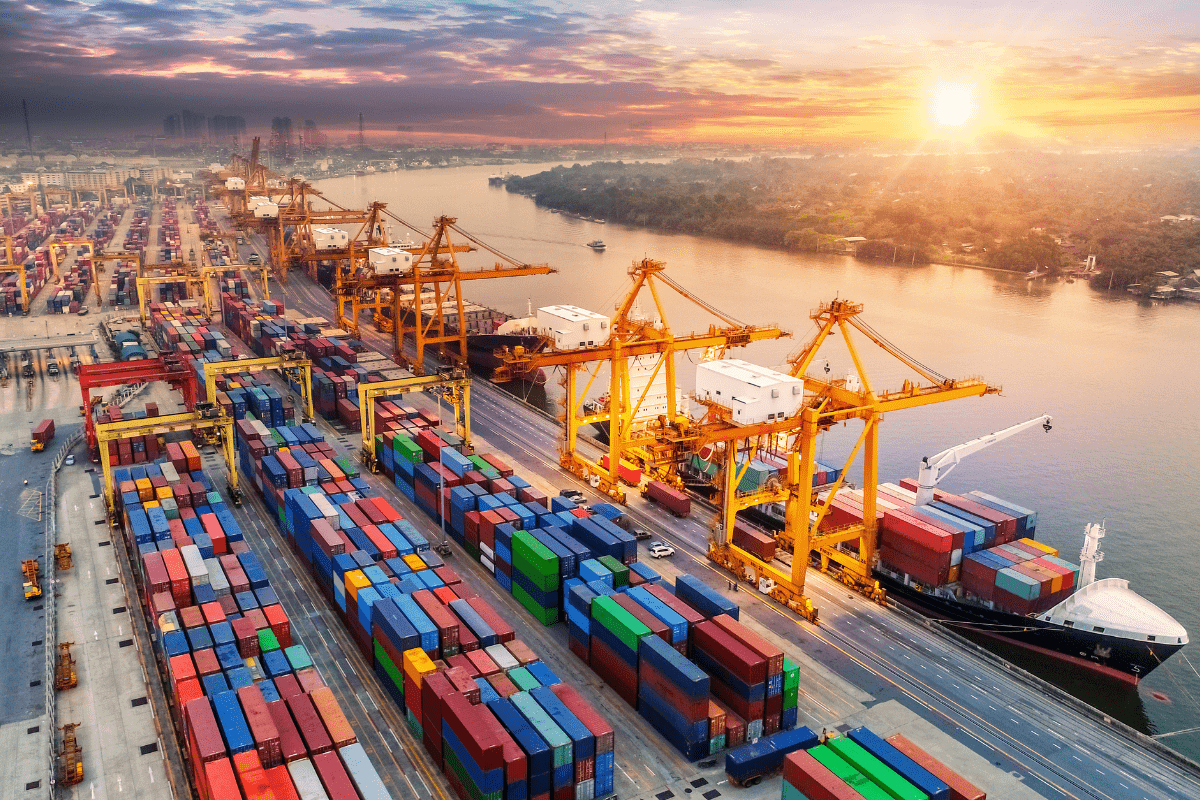
Singapore’s Maritime and Port Authority (MPA) will collaborate with six of Japan’s busiest ports—Tokyo, Yokohama, Kawasaki, Osaka, Kobe, and Nagoya—which are vital nodes in Japan’s economic landscape, handling significant cargo volumes. This partnership reflects the vital trade relationship between the two nations, with their bilateral trade reaching approximately $65 billion in 2022.
In a lighter exchange, PM Lee referenced the upcoming 2025 Osaka World Expo, addressing concerns regarding the event’s preparation challenges. He shared that Singapore would be among the first to commence construction on its pavilion, adding a touch of levity to discussions.
Overall, this meeting signifies a robust commitment from both leaders to not only further their bilateral relations but also to adapt to global changes through cooperative innovation in key sectors related to sustainability, digitalization, and ultimately, economic prosperity.