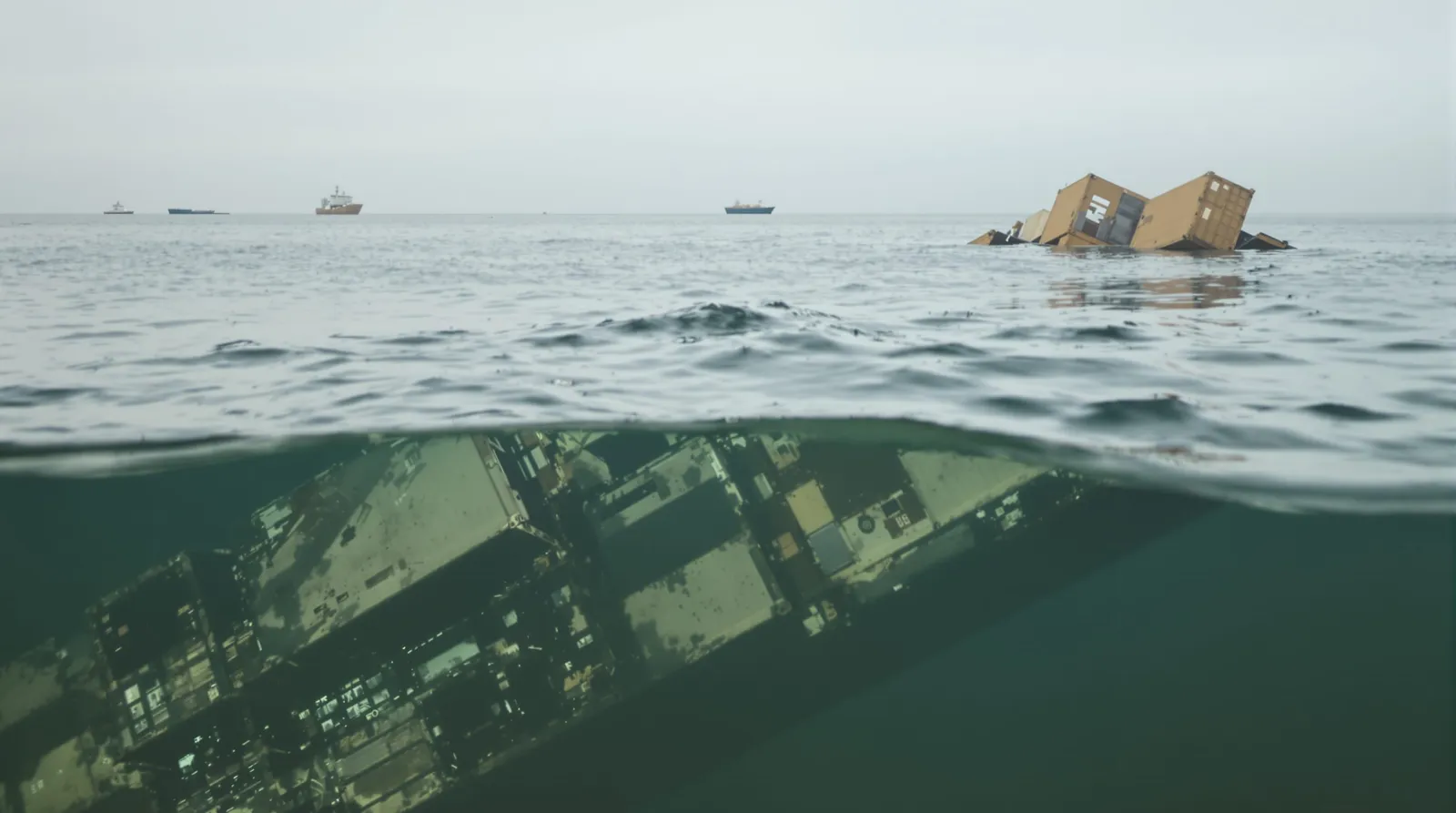

In 2020, UK maritime security policy makers face a pivotal moment influenced by several key factors, including the aftermath of the 2019 Gulf oil tanker crisis, the ongoing Brexit process, and a refreshed National Strategy for Maritime Security. This confluence of events enables an opportunity to reshape maritime policies effectively.
To move forward, it is crucial for UK policy makers to assess the balance between domestic maritime security obligations and commitments abroad, as well as across different UK regions. Historically, there’s been a concentration on enhancing maritime security capabilities in high-traffic areas, particularly the Dover Strait. However, a broader approach that encompasses a more balanced focus on diverse areas is essential.
Effective coordination among various agencies is vital to strengthen maritime security. While top-down coordination bodies can aid structured interactions and promote interoperability, building a culture of sustainable coordination and trust requires consistent day-to-day communication and collaboration among agencies. This habitual interaction can serve as the foundation for a cooperative maritime security environment.
Furthermore, fostering cooperation and trust with EU and other national partners remains critical, especially in a post-Brexit context. Policy makers must navigate new governance structures while identifying focal points for cooperation that endure despite the UK’s exit from the EU. This approach will help maintain vital collaborative ties that bolster maritime security.
Additionally, the implications of the UK’s exit from the EU on national regulations—particularly in areas like port security—must be addressed. Developing new regulatory frameworks involves achieving a balance between adherence to EU standards and addressing distinct post-Brexit maritime priorities. This harmonization will be essential in ensuring the continued effectiveness of maritime operations.
Involving stakeholders early in the maritime security strategy process is also recommended. By promoting transparency and sharing information during the drafting phase, policy makers can identify common objectives, foster broad support, and establish a united basis for action moving forward.
A comprehensive review of existing resources is necessary to consolidate information regarding current capacities and recognition of gaps. This assessment will highlight opportunities for resource sharing, particularly utilizing ‘force multiplying’ assets like aerial maritime surveillance, which can enhance overall situational awareness.
Lastly, strengthening the knowledge base regarding UK maritime security issues is imperative. Policy makers should focus on understanding the interconnectedness of maritime crimes, their root causes, and areas where data is lacking. By addressing these aspects, it is possible to improve the comprehensiveness of maritime security strategies, thus ensuring the UK remains resilient in the face of emerging maritime challenges.
Overall, the evolution of the UK’s maritime security policy not only hinges on immediate security needs but also requires a forward-looking strategy that incorporates cooperation, stakeholder engagement, and a nuanced understanding of the maritime landscape post-Brexit.