Taiwan and Japan Express Concerns Over Chinese Military Activities
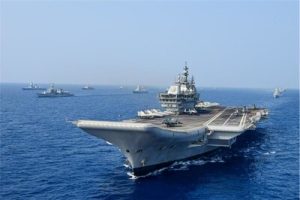
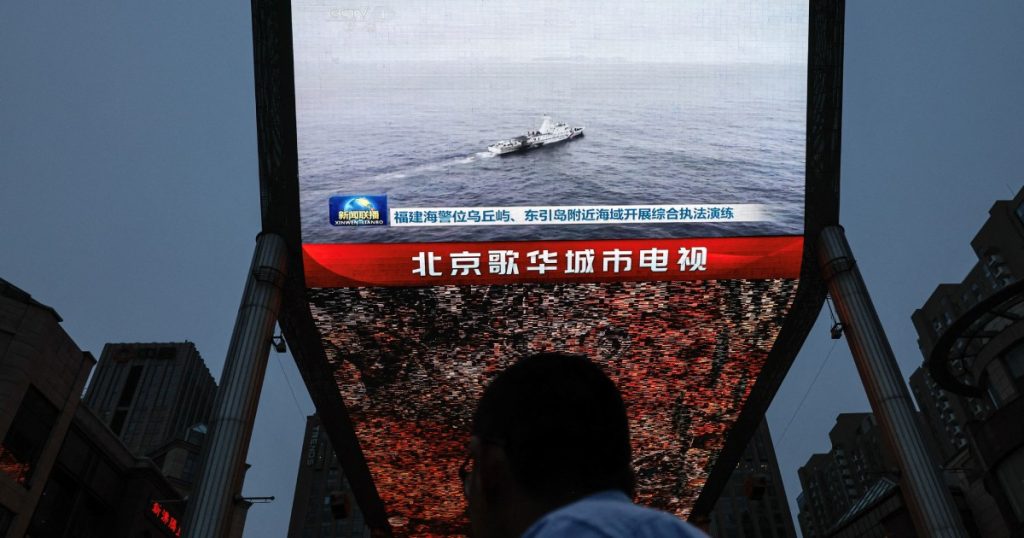
On December 5, Taiwan and Japan raised alarms regarding China’s escalating military activities in East Asian waters, described as the largest maritime show of force to date, according to a Reuters report. This week, China reportedly deployed over 100 naval and coast guard ships across the region, marking a significant increase in its maritime presence.
Karen Kuo, spokesperson for Taiwan’s presidential office, emphasized that Chinese naval operations are extending beyond the Taiwan Strait. These activities span from the Yellow Sea to the waters near the disputed Senkaku Islands in the East China Sea, and further into the South China Sea and western Pacific. Kuo stated that this military maneuvering poses a substantial threat to peace and stability in the Indo-Pacific region. She urged China to adhere to its responsibilities as a major global power and to exercise greater caution in its military engagements.
In response to these developments, Taiwan’s President Lai Ching-te has ordered security forces to maintain heightened awareness and provide frequent situational updates. Taiwan is also committed to working closely with “friendly partners” to ensure regional stability and security. Kuo underscored the necessity of cooperation among allies amid rising tensions.
Meanwhile, in Japan, Defence Minister Shinjiro Koizumi acknowledged awareness of Chinese military activities in the East China Sea and stressed Japan’s vigilance concerning China’s maritime movements. He noted that the Japanese government is actively collecting and analyzing information about China’s military maneuvers, although he refrained from commenting on specific deployments. Koizumi described the growing military presence around Japan as a matter of deep concern for the government, which remains committed to monitoring the situation closely.
The increased military activity comes at a time traditionally marked by Chinese military exercises, particularly during November and December. However, the People’s Liberation Army has not publicly announced large-scale military drills for this period. The operations currently surpass China’s previous mass naval deployments from December of the prior year, which led Taiwan to boost its alert level.
Tensions are further inflamed by ongoing diplomatic disputes between China and Japan. In November, Japanese Prime Minister Sanae Takaichi asserted that a hypothetical Chinese attack on Taiwan could provoke a military response from Japan. Additionally, Taiwan’s announced plans for a US$40 billion increase in defense spending, intended as a countermeasure to China, have incensed Beijing, which considers Taiwan a breakaway province.
In summary, the regional ramifications of China’s increased military activities have led Taiwan and Japan to unite over shared concerns regarding security and stability in the Indo-Pacific. Both nations are urging China to moderate its military operations while prioritizing diplomatic measures to address the rising tensions in the region.