The Tsushima Strait, a strategic passage of 243 kilometers, connects South Korea and Japan, serving as a vital maritime route amidst the significant economies of Northeast Asia, including China. This narrow waterway leads to the Sea of Japan and is crucial for trade, energy security, and military operations for multiple nations including Japan, South Korea, the United States, and China. Approximately 75% of global trade flows through this strait, emphasizing its role as a critical chokepoint for the G20 nations.
For Japan, the Tsushima Strait is particularly essential for energy, as over 90% of its oil and gas imports transit through this route. The strait is a lifeline for Japan’s economy, and any disruption would have severe implications. Similarly, South Korea relies on the strait for maritime trade, with major exports and imports to Japan, China, and Southeast Asian nations traversing this route. The history of cultural exchange and economic interaction between Tsushima Island and the Korean Peninsula further underlines the strait’s importance.
The U.S.’s strategic interest in the Tsushima Strait stems from its military alliances. The area serves as a crucial entry point for American naval forces and is vital for maintaining military presence in Japan and South Korea. For China, the strait plays a significant role in projecting naval power, and for Russia, it is essential for access to the Pacific Ocean and as a trade route for energy exports.
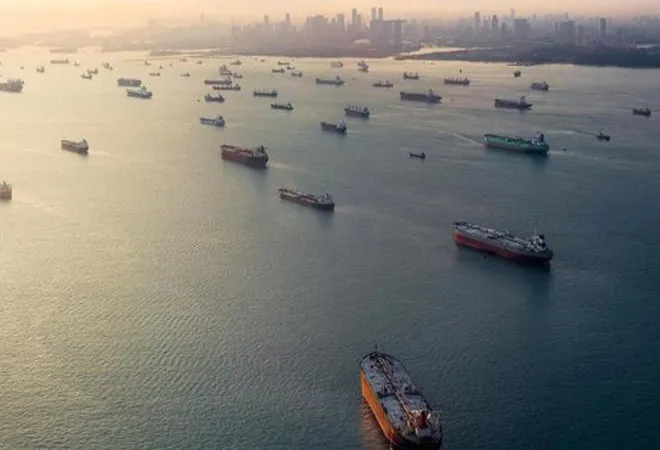
However, the Tsushima Strait faces several threats stemming from geopolitical tensions, environmental issues, and maritime safety concerns. The crowded waterway is vulnerable to accidents, including collisions and oil spills. Territorial disputes between Japan and South Korea raise the stakes for possible armed conflicts. North Korea’s military activities also pose a threat to navigation safety, notably due to submarine operations and missile tests in close proximity. Additionally, illegal fishing by foreign vessels undermines local fisheries and the safety of legitimate maritime endeavors. Climate change introduces further risks, potentially altering ocean currents and weather patterns, which can impact navigability and marine ecosystems.
To mitigate these threats, countries surrounding the strait have initiated cooperation through information exchange on maritime conditions, protocols for incident reporting, and shared efforts in patrolling and surveillance to enhance maritime safety. Furthermore, a regional mechanism exists for monitoring marine pollution and coordinating responses to environmental hazards. Intelligence-sharing platforms aim to address security threats collectively, allowing for coordinated naval responses to piracy and smuggling.
In summary, the Tsushima Strait is more than just a physical passage; it embodies the complex interplay of geopolitics, economic dependencies, and environmental challenges. As tensions rise in the region among the U.S., China, and Russia, maintaining navigational freedom and security in the strait remains a crucial focal point for regional stability and international maritime cooperation.
Source link