
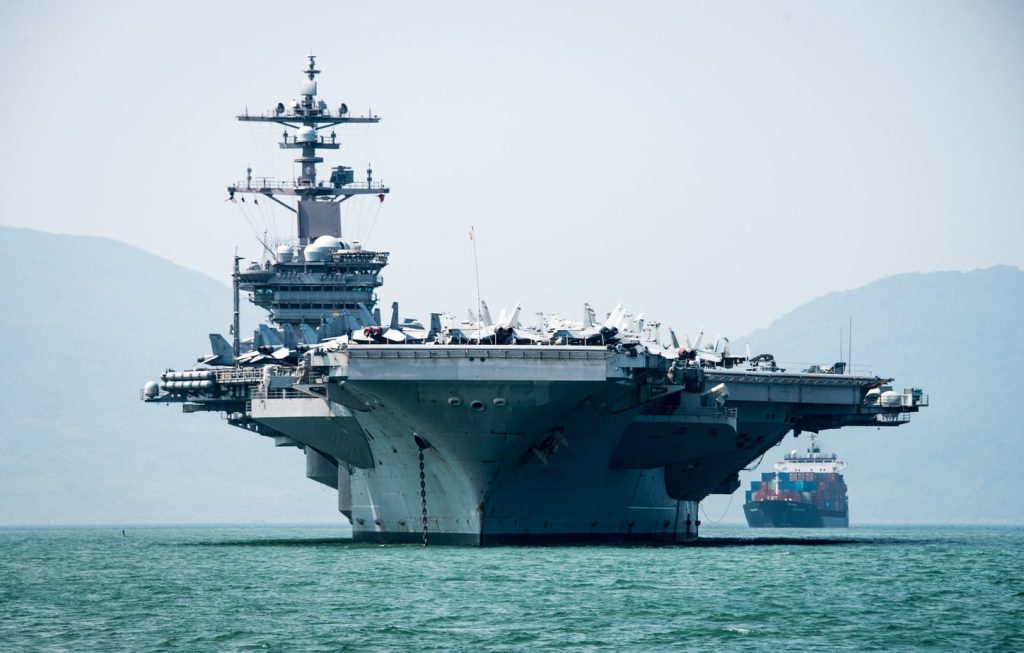
The maritime strength of the U.S. is declining, particularly in comparison to China’s expanding navy and merchant fleet. As of late 2022, the U.S. Navy could only muster 296 battle force ships, with projections indicating a reduction to 283 ships by 2027. Concurrently, the U.S. Merchant Marine is composed of an aging fleet of 185 vessels, which are critical for facilitating global trade and military logistics during conflicts. In stark contrast, China boasts the world’s largest navy with over 370 ships and more than 5,500 merchant vessels, alongside a shipbuilding capacity that dwarfs that of the U.S.
To address this concerning trend, two primary strategies are proposed:
- Maritime Security Initiative: Congress is urged to implement a comprehensive initiative to monitor and display maritime-related funding across different government agencies. This initiative aims to enhance transparency, prioritize investments in maritime security, and ensure adequate funding for military and civilian maritime operations. Unlike past measures that primarily highlighted funding within a single department, this initiative would illustrate spending across multiple agencies, helping Congress identify priority investment areas.
- Maritime Security Council: It is recommended that a Maritime Security Council (MSC) be established within the U.S. Executive Office. This council would advise the president on maritime security issues, similar to the existing National Security and Homeland Security Councils. The MSC would be comprised of high-level officials, including the vice president, secretaries of defense, state, commerce, and transportation, along with military advisors such as the secretary of the Navy and other armed forces representatives.
These initiatives aim to revitalize America’s maritime capabilities, ensuring military readiness and maintaining U.S. influence in global trade and geopolitics. The proposed Maritime Security Initiative and Council would work in tandem to enhance coordination between various branches of government and streamline maritime security strategies.
Ultimately, revitalizing U.S. maritime strength relies on Congressional support for effective budget allocation and increased focus at the executive level on maritime security issues. By taking these steps, the U.S. can better compete with China and secure its maritime interests in an increasingly contested global environment.