On April 9, 2025, President Donald Trump signed an executive order aimed at restoring “America’s maritime dominance,” followed by the publication of a Maritime Action Plan (MAP) that outlines comprehensive strategies for shipyard incentives, workforce education, and deregulatory measures. A central aspect of this plan is a proposed “universal infrastructure or security fee” on foreign-built vessels docking at U.S. ports. This fee would be based on the weight of imported cargo, with examples illustrating that even a nominal fee of one cent per kilogram could yield approximately $66 billion over a decade, whereas 25 cents per kilogram might generate close to $1.5 trillion.
The MAP asserts that such a fee would ensure that foreign-built ships contribute to revitalizing America’s maritime capabilities. Income generated from these fees could potentially fund the newly proposed Maritime Security Trust Fund, dedicated to investments in shipbuilding, fleet expansion, and workforce development. However, the feasibility and impact of these fees are under scrutiny, particularly how they would influence shipping costs.
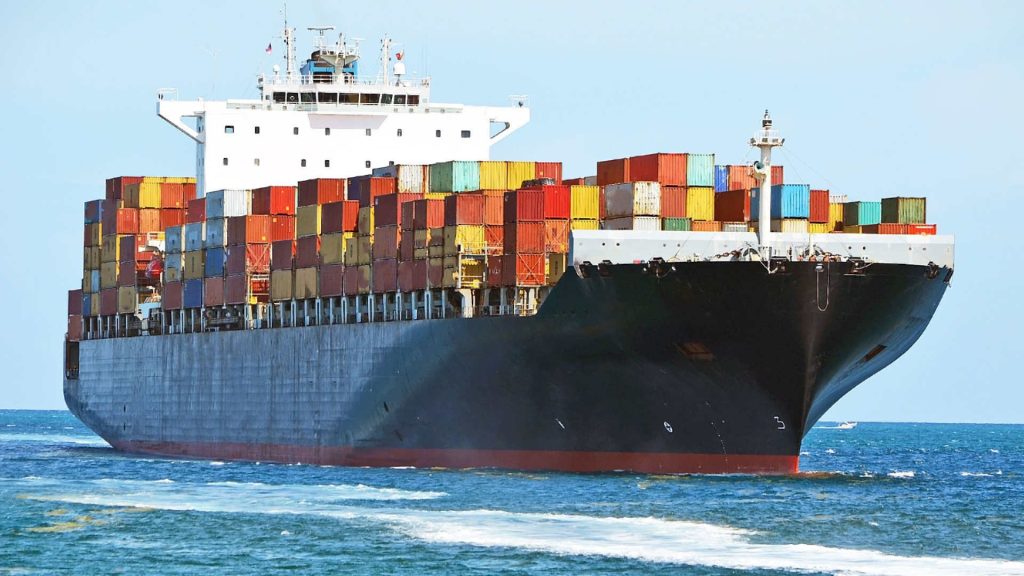
The projected fees heavily impact key categories of imports, including containerized goods, oil, and vehicles. For instance, the annual average cost of containerized imports could reach $2.1 billion at one cent per kilogram and soar to $52.3 billion at 25 cents. This significant financial burden poses challenges for shipping lines, with potential shifts towards alternative import routes via Canada or Mexico as a result of increased fees.
In tanker shipping, fees could substantially escalate costs. For example, the total fee for crude imports might fluctuate between $1.9 billion and $47.7 billion annually, depending on the fee rate. Ship owners would ultimately pass these costs on to American consumers, particularly affecting motorists at fuel pumps.
Similarly, proposed fees for car carriers echo previous tariffs for vehicle imports, suggesting that the average fee per vehicle could be excessive enough to hinder market viability. Such conditions would incentivize shippers to seek cheaper import routes, undermining U.S. port competitiveness.
The MAP puts forth a “land port maintenance tax” for cargo routed from Canada and Mexico, establishing parity with existing harbor maintenance taxes yet falling short of competition with the proposed universal port fees. If implemented, these fees could provoke retaliatory measures from affected countries, echoing prior tensions between the U.S. and China.
The implementation of these fees raises complex legal and procedural questions. A previous U.S. Trade Representative levy was based on investigations into unfair trade practices, and extending that framework to encompass all foreign-built ships, including allies like South Korea and Japan, poses significant diplomatic challenges. The administration aims to bolster support through Congress, highlighting its need for a coordinated legislative effort to address maritime industry shortfalls.
As Congress considers maritime legislative proposals, including the SHIPS Act and the Building Ships in America Act, the potential for universal port fees remains uncertain. The MAP signals broad intentions and strategies for maritime rejuvenation, yet the actualization of these policies will likely spark heated debates and negotiations among industry stakeholders, lawmakers, and affected nations.
Original publication date: [original_date]