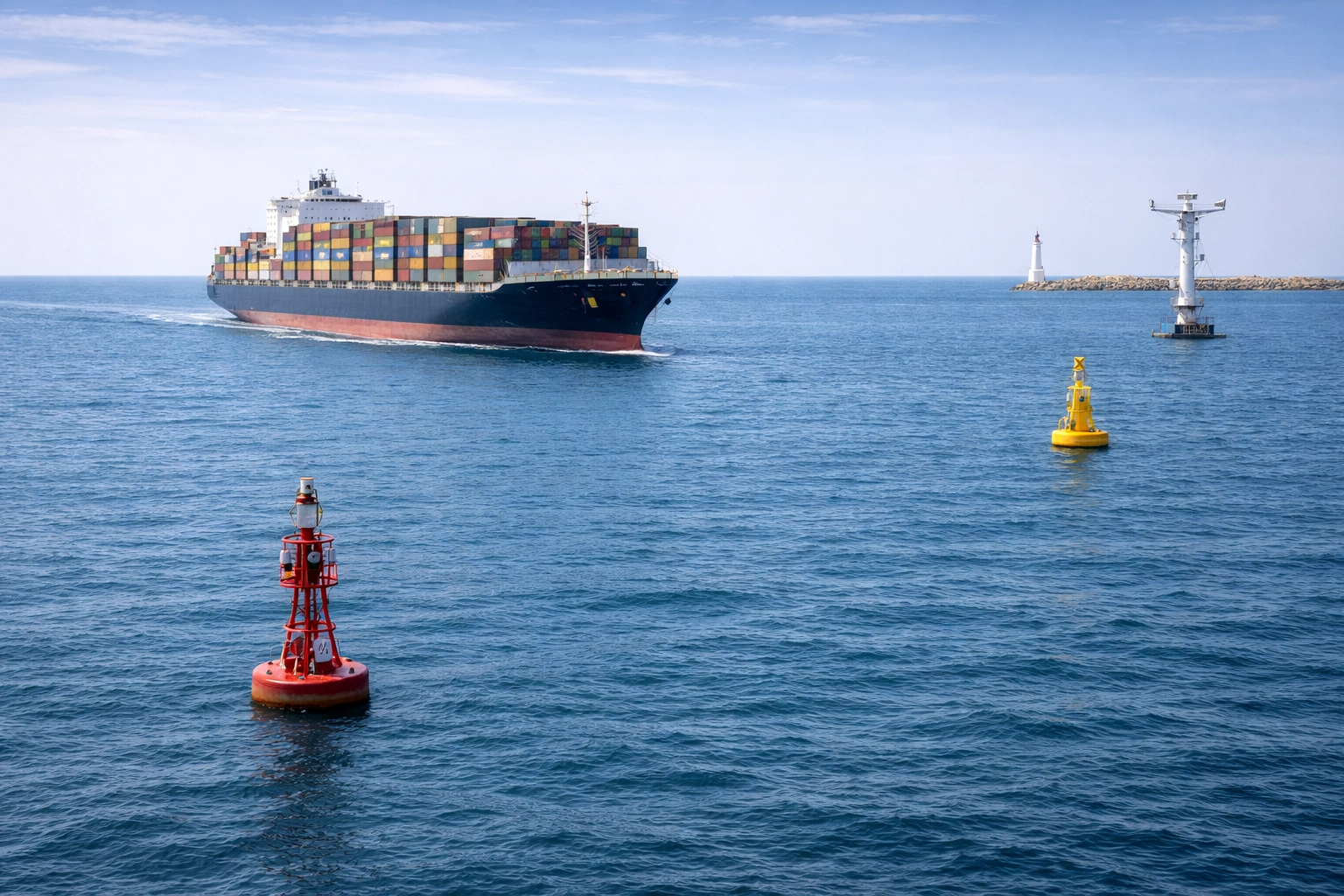

Prime Minister Narendra Modi recently laid the foundation stone for the Vadhvan Port in Maharashtra’s Palghar district, marking it as India’s 13th major port. This initiative focuses on creating the largest container port in the country, designed to facilitate large container vessels and ultra-large cargo ships, boosting trade and economic growth.
Overview of Vadhvan Port
Located near Dahanu, Vadhvan Port is projected to handle an impressive capacity of 254 million tonnes of cargo annually. It will feature a natural draft of approximately 20 meters, allowing it to accommodate large container ships not currently able to dock at most Indian ports. Developed by Vadhavan Port Project Limited (VPPL)—a collaboration between the Jawaharlal Nehru Port Authority (74% shareholding) and the Maharashtra Maritime Board (26%)—the port aims to establish India as a global maritime hub.
Significance of the Port
The establishment of Vadhvan Port is expected to have several key benefits:
- Enhanced Capacity: With its large handling capacity, the port will significantly contribute to India’s logistics and trade capabilities.
- Employment Opportunities: The port’s proximity to major transport routes, like the Western Freight Corridor and the Delhi-Mumbai Expressway, will stimulate local businesses and create jobs.
- Improved Maritime Connectivity: Vadhvan Port will serve as a crucial gateway for international corridors, aiding trade flow and reducing transit times and costs for Indian exports.
- Sustainability Focus: The project will incorporate eco-friendly practices and rigorous ecological standards to mitigate environmental impacts.
Current Landscape of India’s Port Sector
India ranks as the 16th largest maritime nation, with the maritime sector accounting for 95% of its trade by volume and 70% by value. The Indian port sector is comprised of 12 major ports and over 200 non-major ports, managed under different regulatory frameworks. Major ports are regulated by the Ministry of Ports, Shipping & Waterways, while non-major ports fall under state government jurisdiction.
Challenges Facing Indian Ports
The port sector grapples with several persistent issues:
- Financial and Regulatory Challenges: Access to financing remains limited, and obtaining necessary government approvals can be time-consuming.
- Infrastructure Issues: Poor hinterland connectivity and inadequate road networks hinder operational efficiency.
- Labor and Productivity Concerns: Issues like overstaffing and outdated designs lead to inefficiencies.
- Dredging Problems: Operational challenges in dredging, including outdated equipment, persist, complicating maintenance.
Initiatives for Improvement
The Indian government has launched various initiatives to modernize the port sector, including:
- Sagarmala Programme: A vision to reduce logistics costs and enhance trade competitiveness.
- Maritime Amrit Kaal Vision 2047: A comprehensive plan involving over 300 initiatives aimed at developing world-class ports and enhancing inland water transport.
- Digital Platforms: Implementing technology like the National Logistics Portal (Marine) and monitoring tools like Sagar Manthan to streamline operations and improve efficiency.
Future Prospects
The Galathea Port, also recently announced, will serve as an International Container Transshipment Port, enhancing India’s capacity to handle transshipped cargo, which largely currently moves through foreign ports. This port will play a strategic role in facilitating India’s trade along major international shipping routes.
In summary, the development of Vadhvan Port and related initiatives promise to significantly bolster India’s maritime capabilities, address existing challenges, and position the nation as a leading player in global trade.