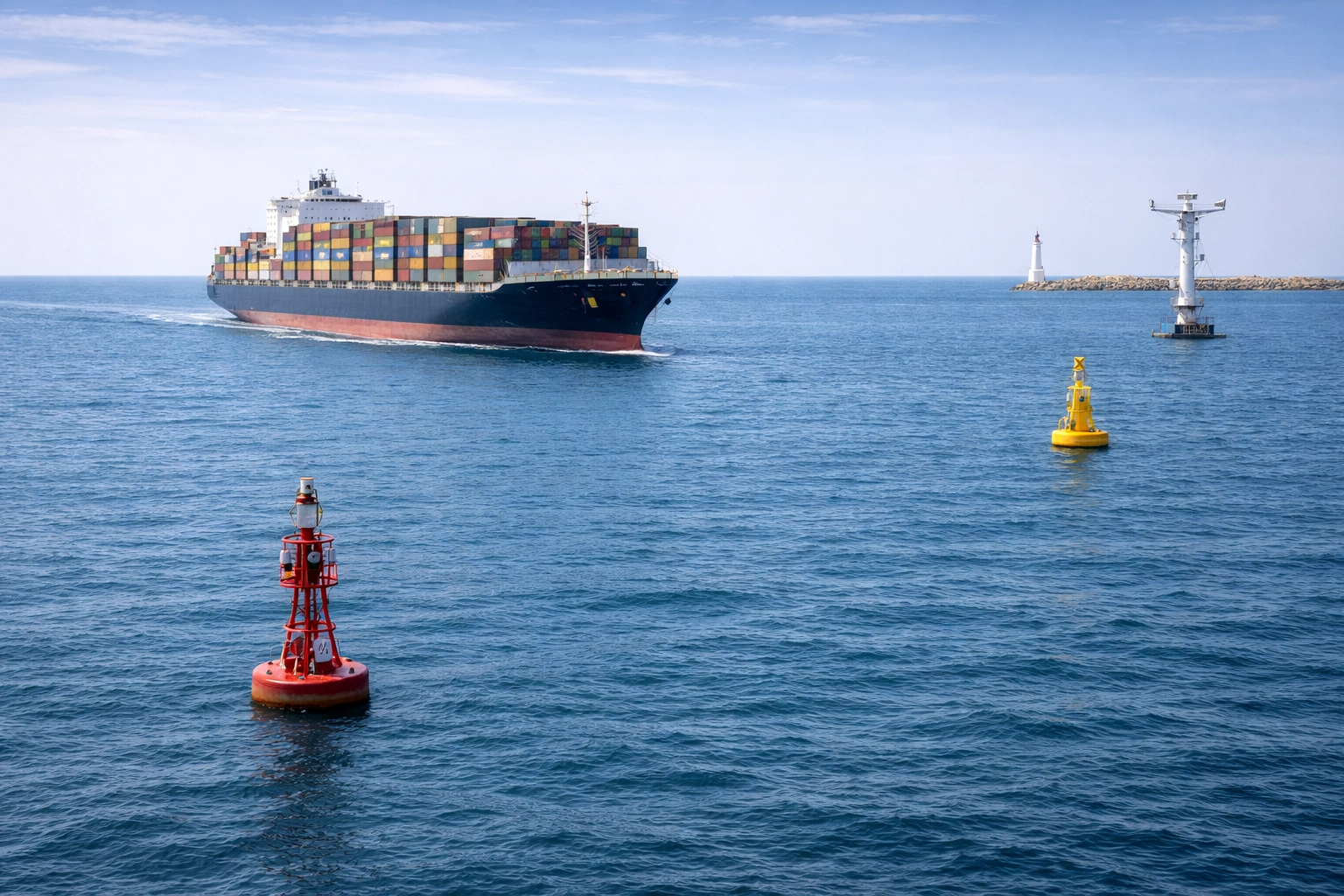

On March 27, the Vietnam Maritime and Inland Waterways Administration submitted a comprehensive report to the Ministry of Construction, focusing on critical measures to ensure the safety of Vietnamese vessels operating in the Middle East, particularly through the Strait of Hormuz. This coordination comes in light of existing geopolitical tensions in the region and the increasing need to secure maritime routes for trade.
Currently, there are 19 vessels owned by Vietnamese firms engaged in operations in the Middle East, with four flying the Vietnamese flag and 15 registered under foreign flags. Recognizing the potential risks these vessels face, the administration urged the Ministry of Construction to collaborate with the Ministry of Foreign Affairs to formally request Iran’s permission for safe passage through these crucial shipping lanes. This initiative underscores Vietnam’s commitment to protecting its maritime interests and ensuring the safety of its seafarers.
The proposed priority framework for safe passage includes three levels:
- First priority would be given to Vietnamese-flagged ships owned by local entities, particularly those transporting goods between the Middle East and Vietnam.
- Second priority would extend to foreign-flagged vessels that are owned by Vietnamese companies and crewed by Vietnamese personnel.
- Third priority targets foreign-flagged ships owned by Vietnamese firms that operate outside of Vietnam’s designated trade routes with foreign crews.
Moreover, Vietnam has urged Iran to facilitate the transit of vessels carrying crude oil and petroleum products to maintain stable energy supplies, which are vital for the country’s economy. A significant aspect of the request includes obtaining formal guidance from Iran that confirms the safe passage of Vietnamese ships and crews. Such official assurances are crucial for shipping companies, as they are a requirement to secure war risk insurance from insurers—something that can be a barrier for operations in high-risk areas.
Additionally, the administration proposed the complete elimination of maritime fees for vessels operating in the affected waters, aligning with domestic fee frameworks set forth by the Ministry of Finance. This measure is intended to bolster competitiveness and encourage Vietnamese firms to maintain their operations in the Middle East.
In conclusion, the actions taken by the Vietnam Maritime and Inland Waterways Administration reflect a proactive approach to ensuring maritime security for Vietnamese shipping operations in a region that is critical for international trade. Through collaborative diplomacy and strategic planning, Vietnam aims to safeguard its national interests while securing essential energy resources and fostering economic stability.
Original publication date: [original_date]