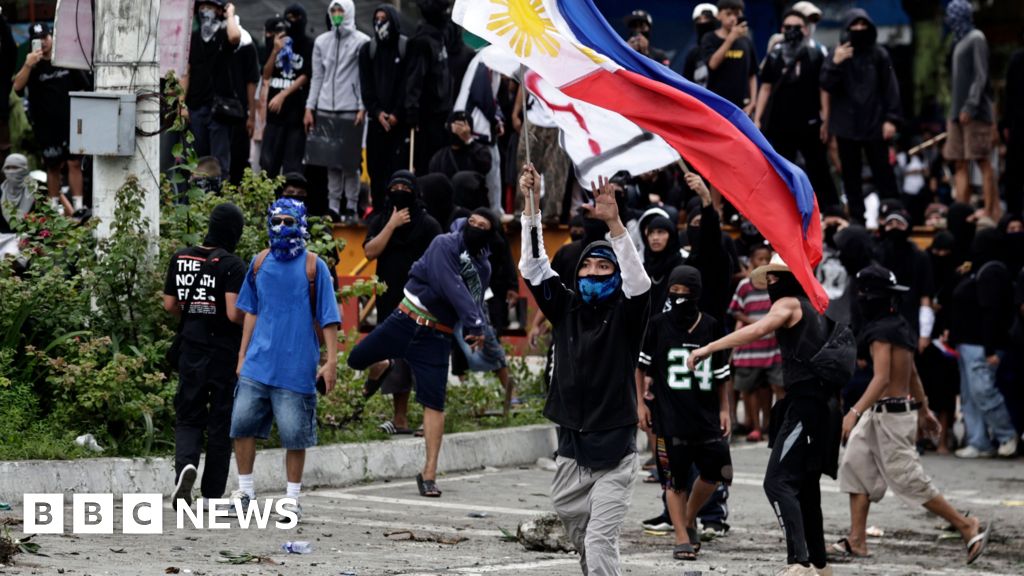
On Sunday, a violent confrontation erupted between police and anti-corruption protesters in the streets of Manila, Philippines. Demonstrators raised their voices against alleged mismanagement of funds meant for flood control projects, a concern that resonates deeply given the severe disruptions caused by an unusually intense monsoon season. This weather phenomenon has exacerbated the existing challenges faced by residents, leading to heightened frustrations among the populace.
The protests highlight a growing discontent with lawmakers and construction tycoons, who are accused of securing contracts for projects that never come to fruition and are labeled as “ghost” projects. These allegations have garnered significant attention on social media platforms like TikTok, Facebook, and X, where Filipinos are openly expressing their outrage and demanding accountability.
Videos from the protests captured moments of tension between demonstrators and law enforcement, revealing instances where several protestors were detained. The clash reflects not only immediate frustrations over flood control issues but also larger systemic problems related to governmental transparency and corruption.
As daily life continues to be severely impacted by flooding, the protests underscore a mounting call for substantial reforms and a reassessment of how public funds are allocated and managed. The discontent surrounding these issues points to a pervasive distrust in institutions perceived as prioritizing wealthy interests over the needs of ordinary citizens.
In summary, the protests in Manila illustrate a critical intersection of environmental challenges and persistent corruption, as citizens rally for change amidst a backdrop of natural disasters and governmental inadequacies. The ongoing dialogue on social media suggests that these sentiments are widespread and could lead to further unrest if not addressed by the authorities.