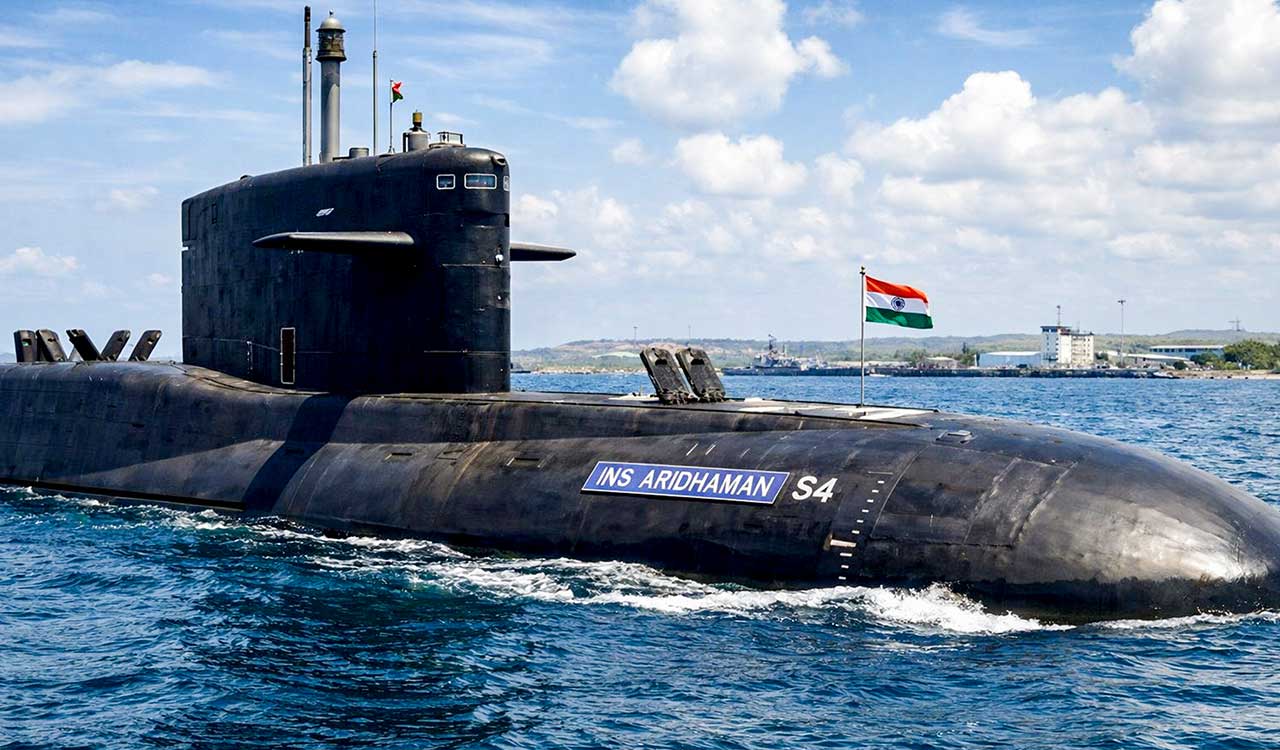
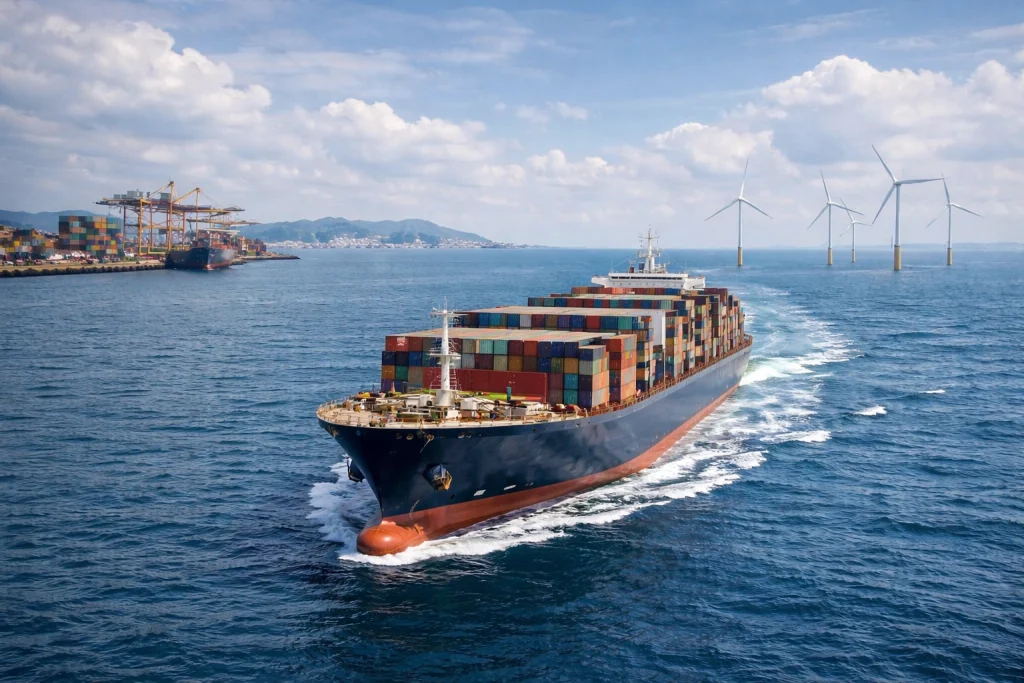
The Indo-Pacific region, spanning the Indian and Pacific Oceans, has emerged as a critical focal point for global geopolitical strategy in the 21st century. This concept has gained traction, notably among the United States and allies such as Australia, Japan, and India, contrasting with the views of China and Russia, who prefer the term “Asia-Pacific.” The region’s strategic significance is underscored by varying interpretations of its boundaries, reflecting national interests.
Historically, the Indo-Pacific concept was articulated by German geopolitician Karl Haushofer in the 1920s. However, its modern significance was highlighted in a 2007 speech by Japan’s then-Prime Minister Shinzo Abe, who emphasized the necessity of collaboration among Japan, India, the U.S., and Australia to secure economic prosperity and shipping routes. This speech laid the groundwork for the Quadrilateral Security Dialogue (Quad), a coalition aimed at promoting shared democratic values in the region.
Economically, the Indo-Pacific encompasses half of the global population and nearly two-thirds of the world’s economy. The region includes major economies such as the U.S., China, India, and Japan, with ASEAN collectively positioned as an economic powerhouse. As U.S.-China rivalry intensifies, it significantly shapes regional dynamics. In 2022, U.S. trade with the Indo-Pacific reached $2 trillion, while China’s Belt and Road Initiative aims to expand its influence in the area. However, this economic significance comes with increased tensions, including territorial disputes in the South China Sea and concerns over security cooperation.
Climate change presents another layer of complexity for the region. The Indo-Pacific is characterized by rich biodiversity but faces severe threats from rising sea levels, extreme weather events, and ecosystem degradation, affecting livelihoods and economies. Nations like Indonesia are taking proactive steps, such as leading international initiatives focused on marine sustainability, but challenges remain widespread. Such environmental factors significantly impact countries like India and China, which experience intensified weather patterns and resource scarcity.
The future of the Indo-Pacific will be shaped significantly by major power rivalries, particularly the U.S.-China dynamic, along with the responses of regional powers like India, Japan, and Australia. The 2024 Shangri-La dialogue highlighted ongoing tensions, with incidents in the South China Sea stirring alarm among neighboring countries. U.S. Defense Secretary Lloyd Austin outlined significant military collaborations among allies, positioning the U.S. as a stabilizing force despite perceptions that its presence may exacerbate regional tensions.
In conclusion, the Indo-Pacific region’s geopolitical landscape is evolving, driven by economic interest, military strategies, environmental issues, and longstanding rivalries. As nations navigate these complexities, non-traditional security threats and the balance of power will continue to shape the future of this strategically vital region.
Original publication date: [original_date]