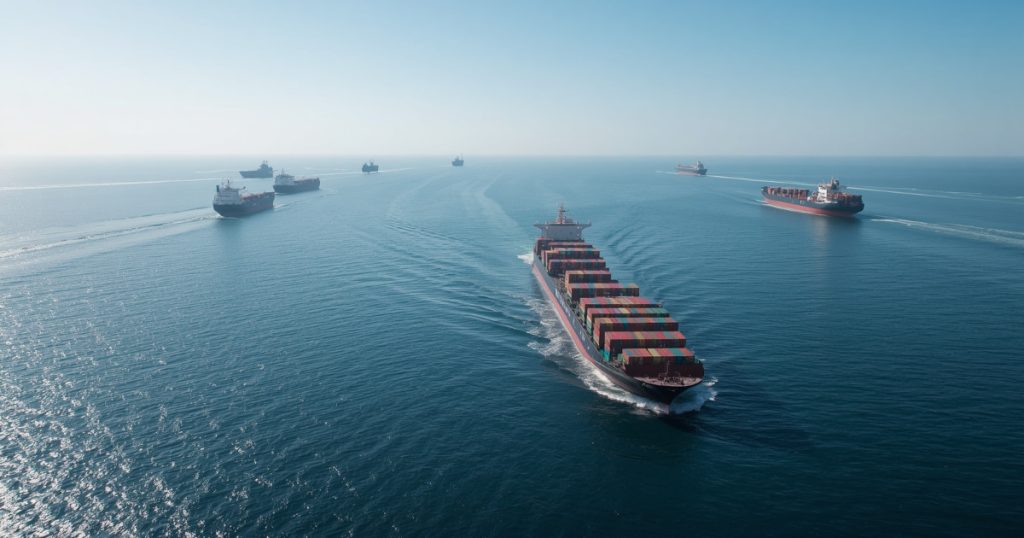
As security tensions escalate in the Strait of Hormuz, a crucial global oil transit point, journalists face increasing challenges in reporting from the region. Heightened maritime security alerts have prompted international media outlets to reassess their coverage strategies, limiting on-water reporting and embedded journalism due to safety concerns.
Media organizations are adapting their methods in response to a more perilous environment for journalists. Traditionally focused on energy markets and shipping dynamics, reporters are now required to monitor military and security developments that could directly impact global energy trade. Reports indicate that many commercial vessels are altering routes or delaying transit based on updated risk assessments, further complicating the situation.
In light of these challenges, newsrooms are turning to technological solutions to maintain coverage. The use of satellite imagery, Automatic Identification System (AIS) vessel tracking, and secondary data sources has become more prevalent. This shift allows for real-time monitoring of maritime activity; however, it raises concerns about the depth and authenticity of reporting. Editors highlight that the reliance on remote tools can alter the workflow, particularly in fields traditionally reliant on physical presence for accuracy.
The reduction of embedded reporting opportunities poses significant challenges for journalists. With limited access to firsthand accounts and the dynamic nature of maritime incidents, gaps in information are emerging. This dependence on official statements and commercial data could narrow the diversity of sources in critical news stories, potentially skewing the narrative surrounding energy markets and geopolitical risks.
This shift carries broader implications for global energy coverage. As disruptions in reporting capabilities occur, markets react based on indirect information, affecting energy price volatility, insurance costs, and risk assessments. This adaptation highlights the dangers associated with conflict-related economic reporting and the increasing necessity for modern journalists to develop skills in data literacy and remote verification.
For Pakistani journalists and regional media outlets covering similar topics, these trends underscore growing operational challenges that may arise in high-risk environments. The evolving landscape necessitates an understanding of innovative reporting methodologies to effectively navigate shifting dynamics in geopolitical and economic reporting.
In summary, the evolving security situation in the Strait of Hormuz has left journalists adapting rapidly, balancing the need for timely and accurate reporting with personal safety protocols. As newsrooms increasingly rely on technological solutions, the implications for energy market coverage are profound, with potential information gaps and statistical dependencies shaping narratives in these critical discussions.
Original publication date: [original_date]