The past year and three months under U.S. President Donald Trump have seen a multitude of geopolitical crises, particularly concerning maritime choke points critical for global energy supplies. This narrative begins with strategic flashpoints: the Panama Canal, Greenland, Venezuela, and Iran—all key nodes in the world’s energy trades. Trump’s aggressive posturing, including threats to annex Greenland and military actions towards Venezuela and Iran, underscores a broader strategy aimed at maintaining U.S. hegemony over vital maritime routes and energy resources.
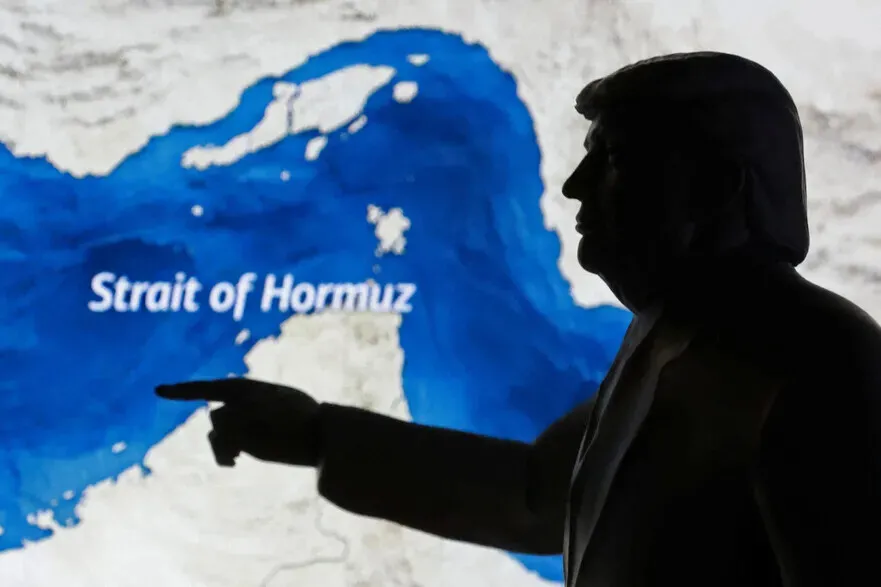
The Panama Canal, despite its modest traffic volume, is pivotal for U.S. naval movements and trade; its management transferred from a Hong Kong company to a European one demonstrates pressure from the Trump administration. Greenland, long a Danish territory, has gained strategic importance amid climate change, with Trump’s aspirations blocked by NATO allies. Venezuela holds the largest crude oil reserves and has witnessed U.S. efforts to install a friendly regime to exert control over its oil exports, while Iran, though currently limited in oil exports due to sanctions, controls the Strait of Hormuz through which a significant portion of global oil trade moves.
Trump’s urgency in initiating military actions against these regions aligns with a strategic aim to counter China, particularly as the U.S. seeks leverage ahead of key trade negotiations. His negotiation style, characterized by high ambitions and relentless pressure on others, reflects a belief that securing influence in these regions would provide a significant bargaining chip against China, which relies on energy imports passing through these choke points.
China, for its part, has been acutely aware of its vulnerabilities regarding maritime access. Former President Hu Jintao’s term established the “Malacca Dilemma,” recognizing the Strait of Malacca as a critical vulnerability. In response, China has pursued initiatives such as constructing artificial islands in the South China Sea and launching the Belt and Road Initiative to mitigate potential blockades and enhance its maritime capabilities.
The significance of the Strait of Hormuz cannot be overstated, as it has historically been contested by various empires for its strategic location. The U.S. military’s technological superiority has not negated the geographical challenges posed by the narrow strait, where Iranian threats could easily disrupt shipping lanes.
In conclusion, the landscape of international relations appears to be shifting, with the U.S. navigating a challenging terrain colored by its historical commitment to controlling key geographic choke points. However, the gradual unraveling of U.S. alliances might usher in a new era that may challenge American dominance, signaling a potential decline reminiscent of historical precedents like the Suez Crisis. This complex interplay of power, geography, and resource competition suggests that the fate of superpowers may remain precarious in a rapidly changing world.
Original publication date: [original_date]