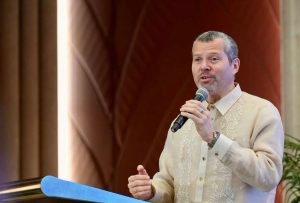

In an effort to enhance maritime safety, Singapore’s Maritime and Port Authority (MPA) plans to install eight smart buoys in its waterways starting in 2026. These buoys will be equipped with advanced sensors to collect real-time data on environmental conditions, such as ocean currents, and transmit this information back to the MPA. Senior Minister of State for Transport, Murali Pillai, announced this initiative during the International Safety@Sea Week at the Conrad Singapore Marina Bay, emphasizing the buoys’ role as “digital sentinels” that will help improve safety management at sea.
The data gathered by these smart buoys will be utilized for various important functions, including marine traffic management, incident response planning, and environmental monitoring. The MPA noted that this data could also be disseminated to government bodies and research institutions to support various marine-related applications. The buoys are intended for areas with high marine traffic, where the data can significantly assist in environmental modeling and navigation safety. In a forward-looking statement, Murali also mentioned that the buoys might eventually relay critical information to ships about adverse weather conditions.
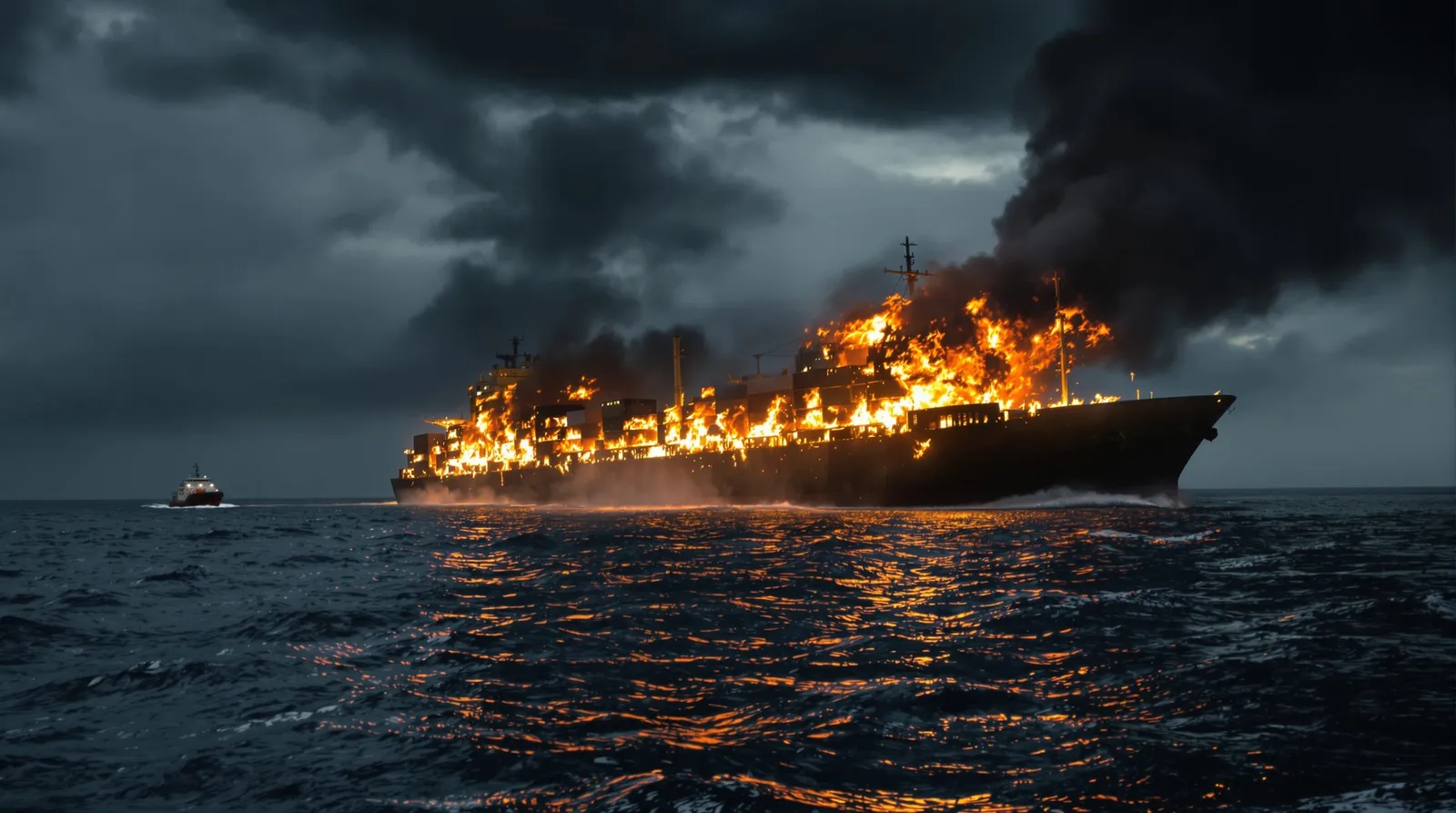
This technological initiative is especially pertinent given the complex challenges currently facing the maritime industry, such as geopolitical tensions and climate change. Reflecting on recent events, Murali recalled an attack on a Liberia-flagged, Greek-operated bulk carrier in the Red Sea, highlighting the urgent need for enhanced maritime safety and the protection of seafarers. The incident, which resulted in casualties and missing crew members, underscores a broader concern shared by international maritime leaders about ensuring the safety of shipping operations in geopolitically unstable regions.
Arsenio Dominguez, Secretary-General of the International Maritime Organisation, echoed these sentiments, condemning the violent attacks on shipping and voicing the need for investment in the protection of maritime personnel against geopolitical disruptions. Murali also addressed the implications of climate change, pointing out that shifting weather patterns and the increase in extreme weather events are complicating maritime navigation. He urged collaboration within the sector to address these challenges, particularly in workforce training and the adoption of advanced technology.
To facilitate ongoing workforce development, Singapore has established the Maritime Energy Training Facility (METF), aimed at equipping maritime professionals with the skills necessary to handle clean marine fuels. Since its inception in April 2024, the facility has trained over 600 individuals, with a target of training more than 10,000 by the 2030s. A digital platform for METF is also in the works, expected to be ready by late 2025, providing easier access to training resources.
Additionally, the International Chamber of Shipping plans to open a regional office in Singapore, further reinforcing the country’s status as a trusted global maritime hub. Murali highlighted this development as part of Singapore’s commitment to enhancing maritime safety and collaboration.
In conjunction with these efforts, the MPA is launching the Maritime Digital Twin—a real-time virtual model of the Port of Singapore powered by artificial intelligence. This innovative solution will integrate live data to improve navigational safety, operational efficiency, and environmental sustainability. Ultimately, the digital twin aims to enhance situational awareness and emergency response capabilities, particularly concerning oil and chemical spills.
Through these initiatives, Singapore is positioning itself at the forefront of maritime safety and technological innovation, addressing both current challenges and future demands in the maritime sector.
Source link