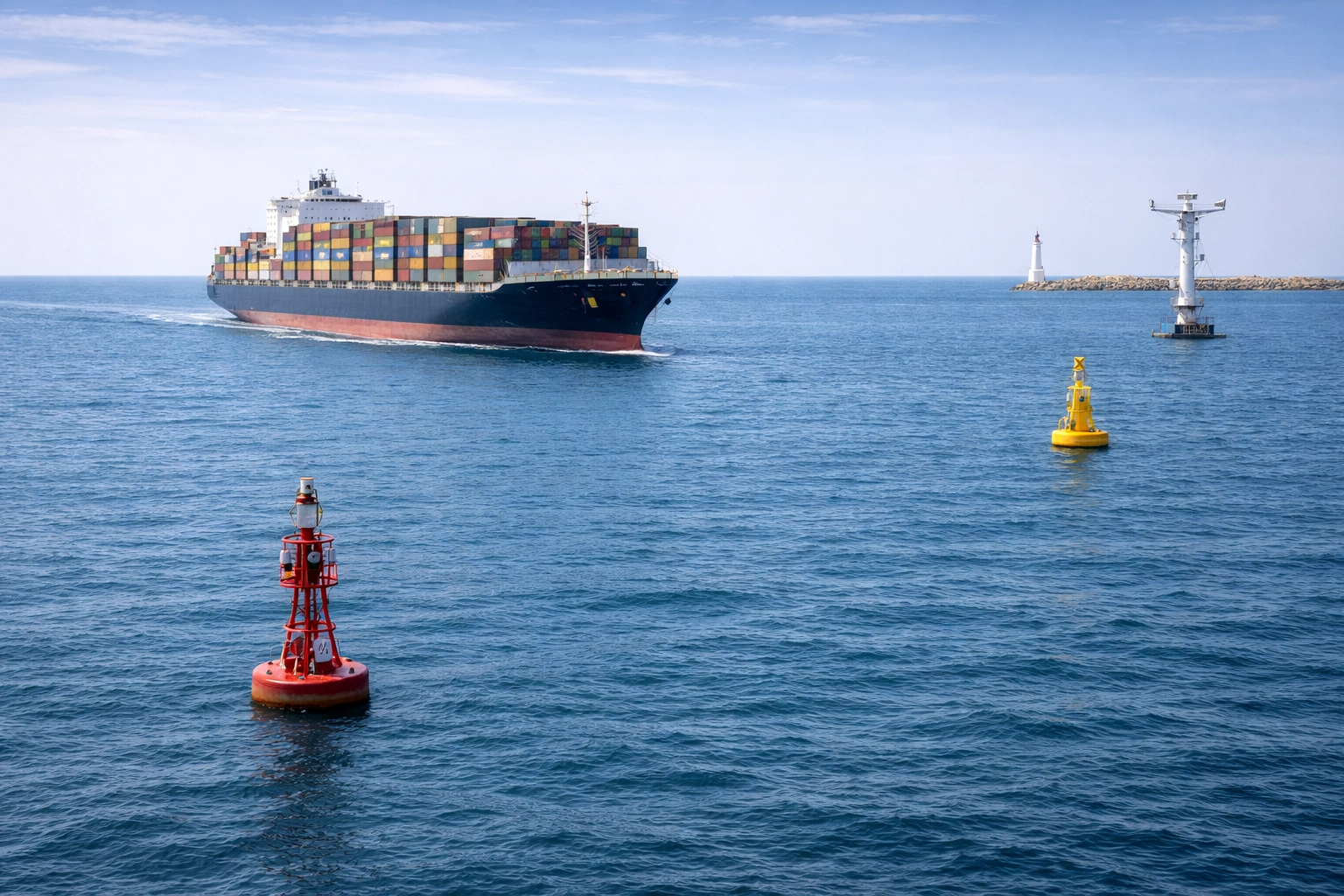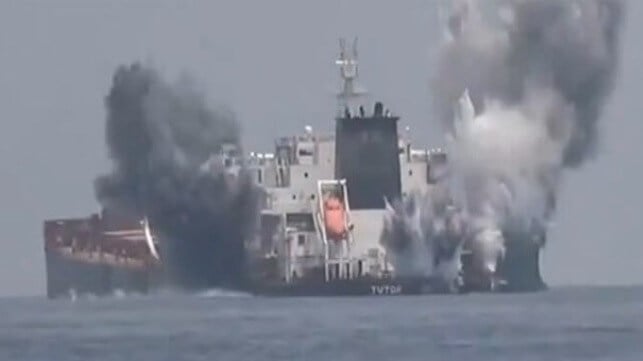
The risk of renewed Houthi attacks on shipping in the Red Sea and Gulf of Aden has escalated recently, coinciding with a fragile ceasefire situation in Gaza. On January 19, the Houthis declared they would halt attacks on US and UK shipping contingent on the ceasefire holding between Israel and Hamas. Since their announcement, insurance premiums for Red Sea transit have declined, and there have been no reported attacks. However, major shipping companies, including Maersk and MSC, remain cautious about fully resuming services in the area due to the unstable nature of the ceasefire, despite limited returns to shipping like LNG tankers, which typically incur higher insurance costs.
Amid these developments, the Houthis have been actively replenishing their missile and drone arsenals, sourcing weapons from external suppliers. On January 28, the US Coast Guard intercepted a vessel carrying Iranian missile and drone components intended for the Houthis. Subsequently, the U.S. Treasury imposed sanctions related to the Houthis’ procurement efforts, targeting key figures within their organization.
The rise in risks is largely tied to the tense situation in Gaza, where the initial phase of the ceasefire ended without negotiations for further agreements. The Arab League’s proposed reconstruction plan for Gaza was swiftly rejected by both Israel and the United States, exacerbating tensions. This rejection was accompanied by significant military posturing from the U.S., including a B-52 patrol near Gaza.
Arab nations have been navigating a complex diplomatic landscape, balancing relations with the U.S. while also engaging with adversaries like Iran. Countries such as Egypt, Saudi Arabia, and Oman maintain varying degrees of ties with both the U.S. and Iran, each working to placate public support for Palestine, especially following the rejection of the Arab League proposal. For smaller, less stable nations, these diplomatic balancing acts present significant challenges—recent Royal Air Force flights to Jordan may reflect these complexities.
Two major risks arise from the current diplomatic pressure surrounding Gaza: increased unrest within Arab states and the potential resumption of Houthi attacks on shipping routes. Both scenarios pose threats to regional stability and economies, particularly impacting oil and gas supplies. The situation is further complicated by Iran’s precarious position, as instability within the region could have broader implications. Given these uncertainties, major shipping companies are likely making prudent decisions to avoid returning to Red Sea operations for the time being.
The insights presented reflect the author’s perspective and do not necessarily align with the views of The Maritime Executive.
Source link