Summary of Threats to Seaborne Trade in the Indo-Pacific
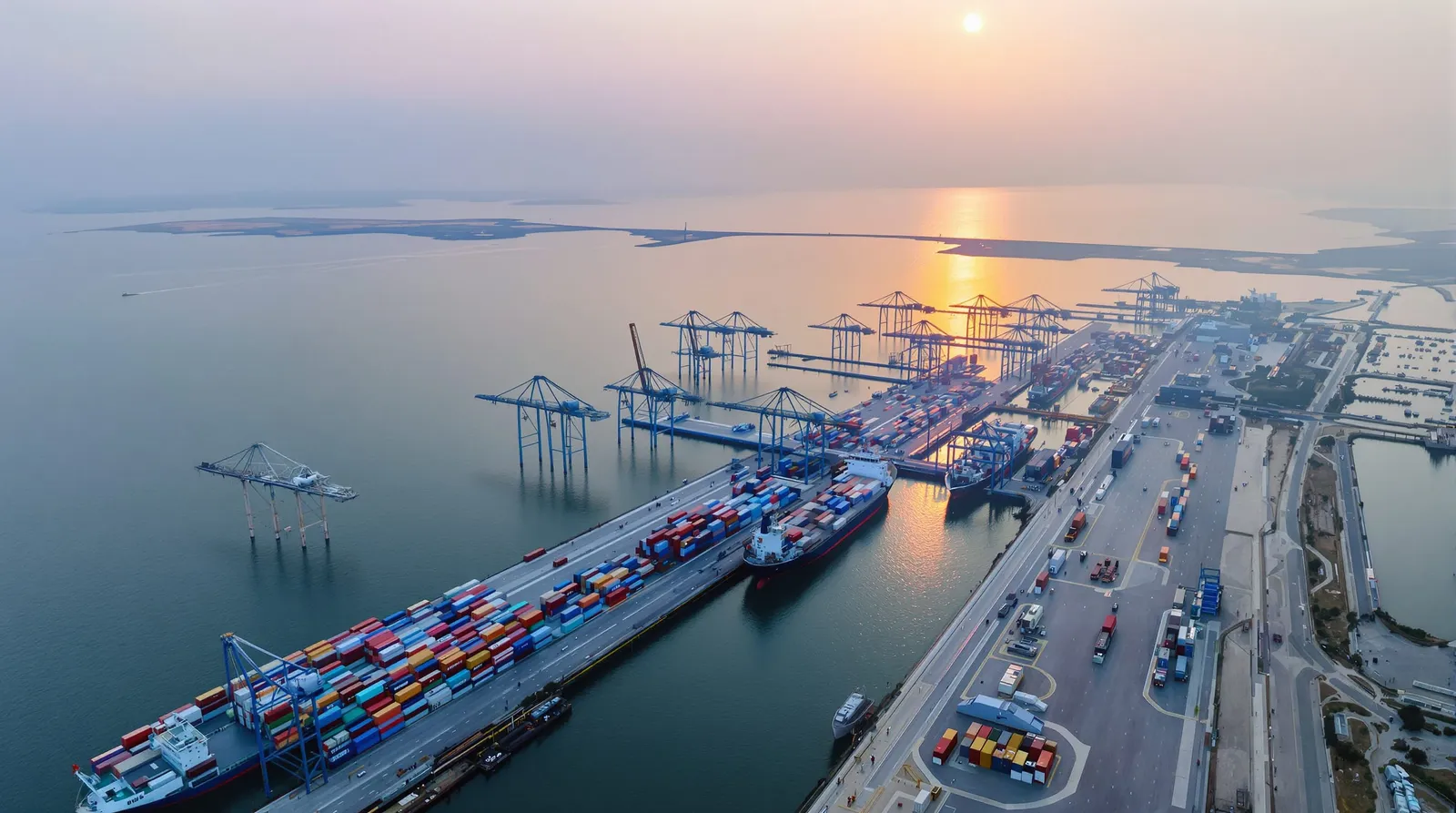
Seaborne trade is essential for Asia’s economic growth, serving as the most cost-effective means of transporting vast volumes of goods, especially oil and gas. The sea lines of communication (SLOC) not only facilitate commerce but are also strategic avenues for accessing global resources. The protection of these routes is critical for maintaining regional economies. However, these maritime routes face numerous vulnerabilities and threats, mainly stemming from geopolitical tensions.
The geopolitical landscape in the Indo-Pacific is fraught with conflicts, particularly involving the United States and China. Tensions escalated following U.S. Congress Speaker Nancy Pelosi’s visit to Taiwan, which was interpreted by Beijing as a violation of its sovereignty, leading to increased military provocations in the Taiwan Strait. Simultaneously, tensions between the U.S. and Iran exacerbate security concerns in maritime regions like the Western Indian Ocean, where Iranian actions against U.S. naval assets jeopardize SLOC security.
Key Maritime Choke Points and Threats
Indian Ocean Region (IOR)
The IOR is a hub for critical trading routes, with the Strait of Hormuz being particularly vital for oil transport. Increased threats from Iran, including its ability to mine and attack vessels, pose significant risks to this and other vital maritime chokepoints. The Horn of Africa is also troubled by regional power rivalries, exacerbated by U.S. and Gulf states’ military interventions, which have led to increased militarization and instability in the Red Sea.
Eastern Indian Ocean
Tensions between India and China, specifically after their military clash in 2020, have heightened security concerns in the Eastern Indian Ocean. India is enhancing its military capabilities in the Andaman and Nicobar Islands to monitor Chinese naval activities, reflecting the rising stakes in this region.
Western Pacific
In the South China Sea, territorial disputes and China’s aggressive positioning threaten maritime navigation. Over a quarter of the world’s oil trade passes through the Strait of Malacca, making it pivotal yet highly contested, as China intensifies its naval operations and seeks to assert control over disputed territories.
Security Cooperation and Challenges
Despite the clear threats to maritime security, cooperation among regional states is limited. While nations recognize the need for collective action, geopolitical rivalries hinder effective collaboration. The U.S. has historically taken a lead role in maritime security through initiatives like the Combined Maritime Forces, yet its diminishing reliance on oil supplies from the region could affect its commitment to maintaining naval presence.
India and other countries are stepping up their maritime security roles, but capabilities remain primarily focused on non-traditional threats like piracy and illegal fishing rather than outright military confrontations with China or Iran. Initiatives like the Indian Ocean Naval Symposium and the Regional Cooperation Agreement on Combating Piracy, while established, have not materially slowed China’s assertiveness in the region.
Conclusion
The intricate balance of geopolitics, economic dependencies, and security challenges in the Indo-Pacific complicates maritime security. The ongoing competition, especially between the U.S. and China, creates added tension and uncertainty over the future of SLOCs. While segments of regional powers seek to collaborate to ensure maritime safety, existing geopolitical realities suggest that cooperation will remain fraught with challenges. Navigating this complex landscape will require nations to align their economic interests with the shared imperative of securing vital sea lanes against both traditional and non-traditional threats.