Japan, the world’s sixth largest maritime nation, is composed of 14,000 islands and boasts an ocean area of approximately 4.47 million square kilometers, which is over 11 times its land area. This vast maritime territory is rich in resources and natural beauty, prompting a national duty to preserve these assets for future generations. Marine Day, celebrated on the third Monday of July, serves as a reminder for the Japanese people to express gratitude for the ocean’s bounties and to pray for the nation’s prosperity as a maritime entity.
Marine Day has roots dating back to 1995 when it was established by law as an official holiday. The day recalls the return of Emperor Meiji to Yokohama on July 20, 1876, marking the end of his voyage aboard the steamship Meiji Maru. This event was originally commemorated as Marine Memorial Day before evolving into Marine Day as we know it now.
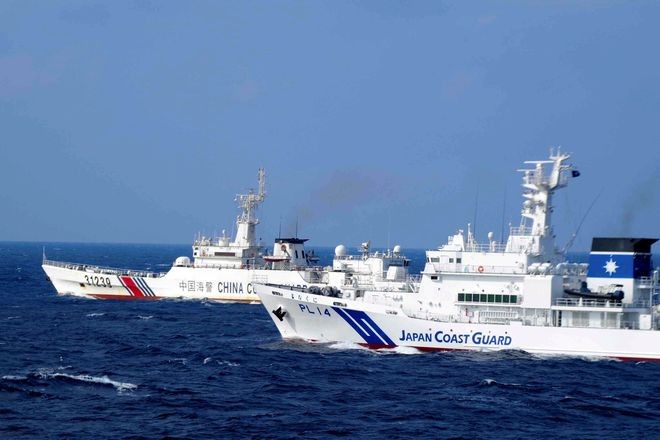
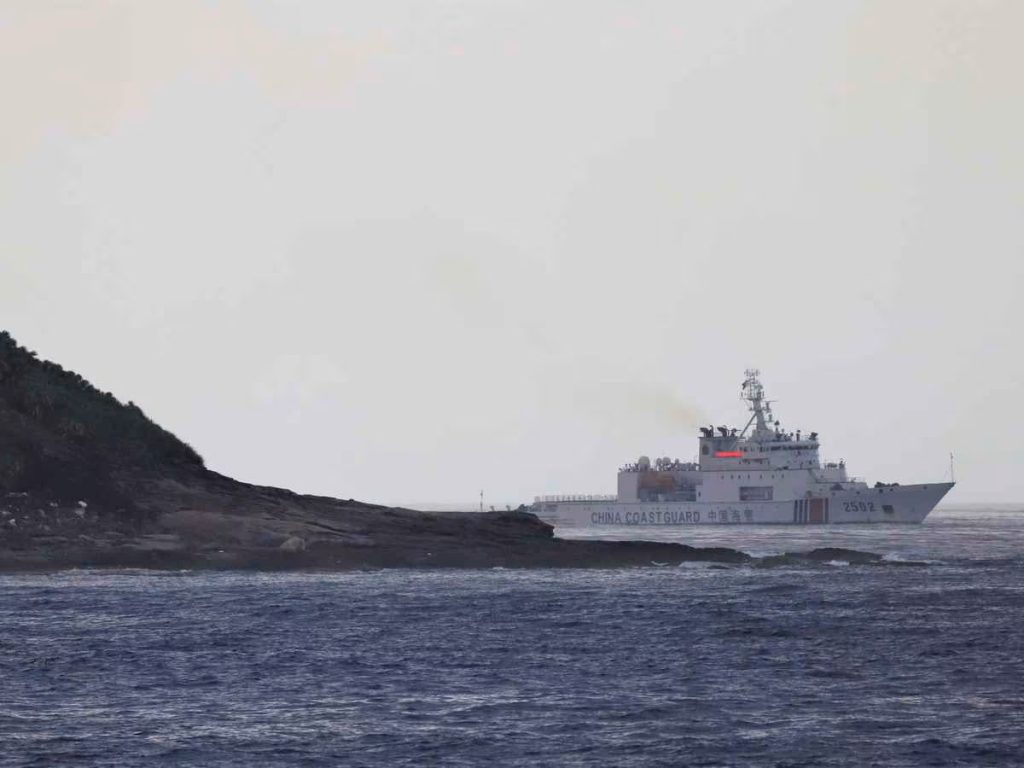
However, Japan faces significant maritime security threats, particularly from neighboring countries. A notable incident occurred in June, when a Chinese research vessel installed a buoy in the continental shelf area south of Shikoku. This vessel went on to install another unauthorized buoy within Japan’s Exclusive Economic Zone (EEZ) near the contested Senkaku Islands in July 2023. Such intrusions are part of a broader pattern of aggressive actions by China, which Japan firmly opposes, claiming its territorial waters and resources.
Additionally, Japan grapples with the long-standing issue of Takeshima, an island viewed as Japanese territory, yet occupied illegally by South Korea for decades. In June, South Korea conducted unauthorized marine surveys around Takeshima, violating the obligation to inform and gain permission from Japan. Japan has lodged protests with South Korea over these violations, but there has been no change in South Korea’s actions.
The Japanese government has expressed its disappointment over these developments but recognizes that mere expressions of regret will not suffice in ensuring maritime security. It asserts the necessity for stronger actions to counter these incursions, emphasizing that protecting its seas is essential for maintaining national sovereignty and security.
In this context, Ryuko Kumagai, a poet, encapsulates the symbiotic relationship between Japan’s forests and seas, suggesting a mutual longing that has existed for ages. This interconnectedness highlights the importance of preserving both marine and terrestrial resources, which have been cultivated by past generations. The Japanese government, along with its people, has a collective duty to safeguard their natural heritage.
The essence of Marine Day extends beyond mere celebration; it reflects a commitment to protect the ocean and better understand the blessings it offers. Each individual is encouraged to recognize these gifts and reaffirm their resolve to protect Japan’s maritime environment. In this way, Marine Day stands as a significant reminder of Japan’s rich maritime legacy and the ongoing responsibility to sustain it.
Source link