
Summary of Maritime Piracy and India’s Response
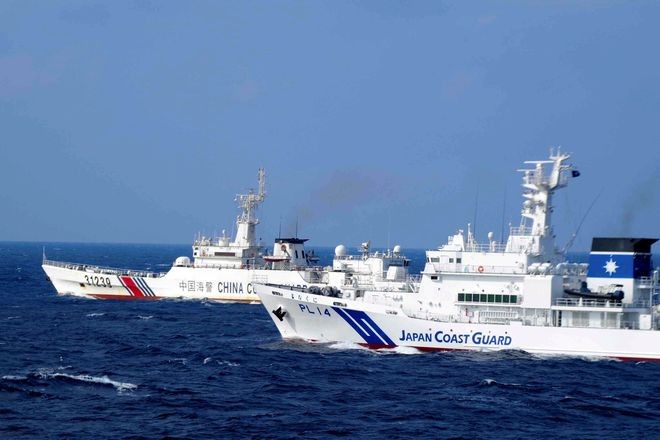
The United Nations Convention on the Law of the Sea (UNCLOS), adopted in 1982, lays the groundwork for maritime law and governs the use of the world’s oceans. It defines maritime piracy as criminal acts perpetrated by individuals on private vessels, targeting ships for personal gain. As piracy poses several threats, including physical harm, disruption of trade, and environmental risks, it has become an urgent issue globally.
Threats Posed by Maritime Piracy
-
Physical Harm and Humanitarian Concerns: Pirates often resort to violence, endangering crew members and passengers. Kidnapping for ransom exacerbates the situation, leading to trauma and psychological distress.
-
Disruption of Trade: Piracy disrupts maritime routes, causing delays that can significantly impact global supply chains.
-
Economic Losses: Businesses incur substantial costs due to stolen cargo, ransom demands, increased insurance premiums, and investments in anti-piracy measures.
-
Impact on Fishing: Targeted attacks on fishing vessels threaten fishermen’s livelihoods and the seafood supply.
-
Environmental Risks: Activities like oil theft and illegal dumping by pirates pose significant threats to marine ecosystems.
-
Global Security Issues: Piracy is often linked to broader issues such as organized crime and terrorism, complicating international security.
India’s Measures to Combat Piracy
India has taken multiple steps to combat maritime piracy through operations, institutional setups, and legislative measures.
-
Operational Steps: Since 2008, the Indian Navy has conducted anti-piracy patrols in the Gulf of Aden. Recent deployments include destroyers and frigates, as well as long-range aerial surveillance to enhance maritime domain awareness.
-
Multilateral Cooperation: India actively participates in initiatives like the Regional Cooperation Agreement on Combating Piracy and Armed Robbery against Ships in Asia (ReCAAP), which promotes collaboration between 16 countries. The Regional Maritime Security Initiative (RMSI) also aims to harmonize efforts among nations with varying capabilities.
-
Institutional Framework: India has established the Information Management and Analysis Centre (IMAC) and the Information Fusion Centre for the Indian Ocean Region (IFC-IOR) to bolster maritime security. The Navy also collaborates with the Coast Guard for enhanced surveillance within the Exclusive Economic Zone (EEZ).
-
Legislative Measures: The Maritime Anti-Piracy Act of 2022 was enacted to arrest and prosecute pirates, fortifying India’s legal framework against piracy. Furthermore, the SAGAR (Security and Growth for All in the Region) doctrine outlines India’s commitment to maritime cooperation in the Indian Ocean.
Recent Incident
A recent hijacking attempt was thwarted by the INS Chennai, which effectively rescued 21 crew members from the Liberia-flagged merchant vessel Lila Norfolk in the Arabian Sea. The ship sent out a distress signal when being approached by armed individuals about 460 nautical miles off the coast of Somalia. The Indian Navy promptly responded, ensuring the crew’s safety.
Conclusion
Maritime piracy remains a critical issue affecting global trade, security, and environmental integrity. India’s proactive approach in operational measures, collaborative agreements, and legislative frameworks reflects its commitment to addressing piracy while ensuring maritime safety.