In recent discussions, India’s External Affairs Minister reaffirmed strong support for the Philippines’ sovereignty amidst ongoing tensions in the South China Sea, particularly regarding China’s assertive claims. A landmark joint statement in 2023 highlighted both nations’ calls for China to adhere to a rules-based maritime order, underscoring the importance of the 2016 Arbitral Tribunal ruling favoring the Philippines.
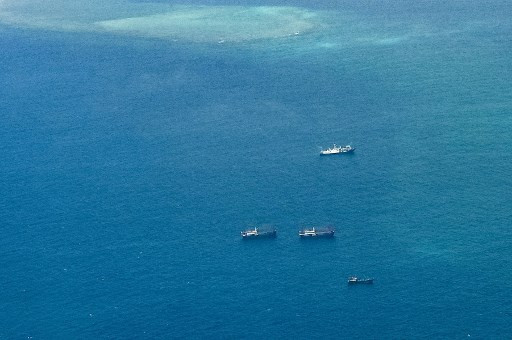
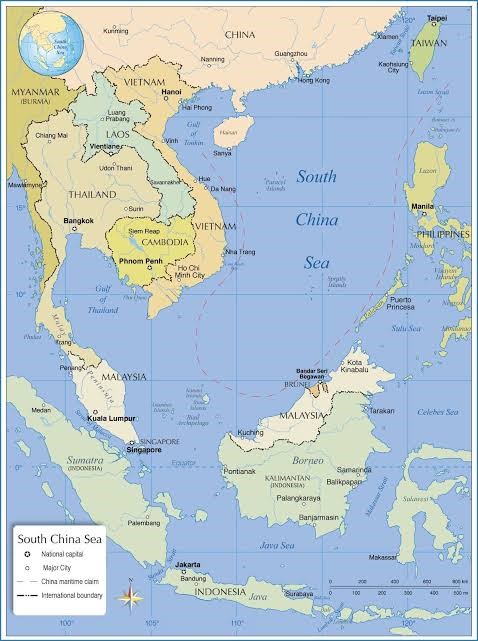
The South China Sea, a crucial maritime region bordered by several Southeast Asian nations, is central to geopolitical tensions. China’s expansive claims, marked by the ‘Nine Dash Line,’ lead to disputes over significant areas, including Scarborough Shoal and the Spratly Islands, which are also claimed by the Philippines, Vietnam, and others. This complex dispute not only involves direct territorial claims but also broader security dimensions, impacting maritime freedom of navigation critical for global trade.
India’s historical engagement with Southeast Asia initiated through its Look East Policy, aimed at enhancing economic ties and securing energy resources, has evolved under Narendra Modi into a more dynamic Act East Policy. This shift emphasizes strategic partnerships and reinforced security cooperation with regional nations, particularly in light of India’s interests in the Indo-Pacific. Notably, India’s participation in oil and gas exploration in Vietnam’s exclusive economic zones highlights its economic stakes and commitment to international maritime laws.
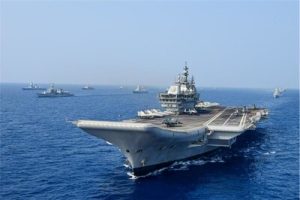
Relations between India and the Philippines have strengthened recently, demonstrated by the establishment of a defense attaché office in Manila and increased maritime cooperation, including joint exercises and training. These steps not only bolster defense ties but also facilitate a collaborative stance towards regional security challenges.
India’s approach to the South China Sea is reflective of a broader strategy to navigate its complex relationship with China, especially following incidents like the Galwan Valley clash. By advocating for adherence to the UNCLOS and recognizing the 2016 Arbitral Award, India has moved towards a more assertive stance against China’s territorial claims, underscoring its commitment to a rules-based order.
Looking ahead, India recognizes the strategic significance of the South China Sea for regional stability and global trade routes. Its support for ASEAN centrality within its Indo-Pacific strategy underscores the need for collective action despite inherent challenges within the grouping. This nuanced approach enables India to position itself as a responsible stakeholder committed to peace, stability, and adherence to international law, while coaxing China towards collaborative maritime practices.
In conclusion, India’s evolving stance in the South China Sea is emblematic of its broader foreign policy strategy, balancing its national interests and regional security commitments against the backdrop of rising tensions with China. Through its proactive and principled diplomacy, India aims to safeguard its interests while contributing to a collaborative framework for maritime order in the Indo-Pacific region.
Source link