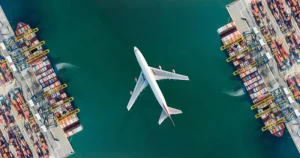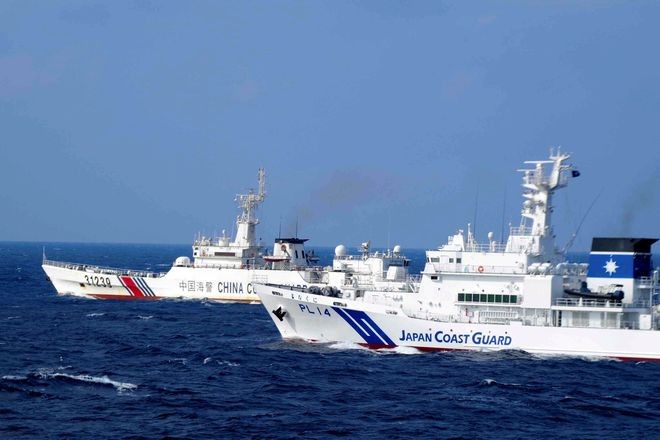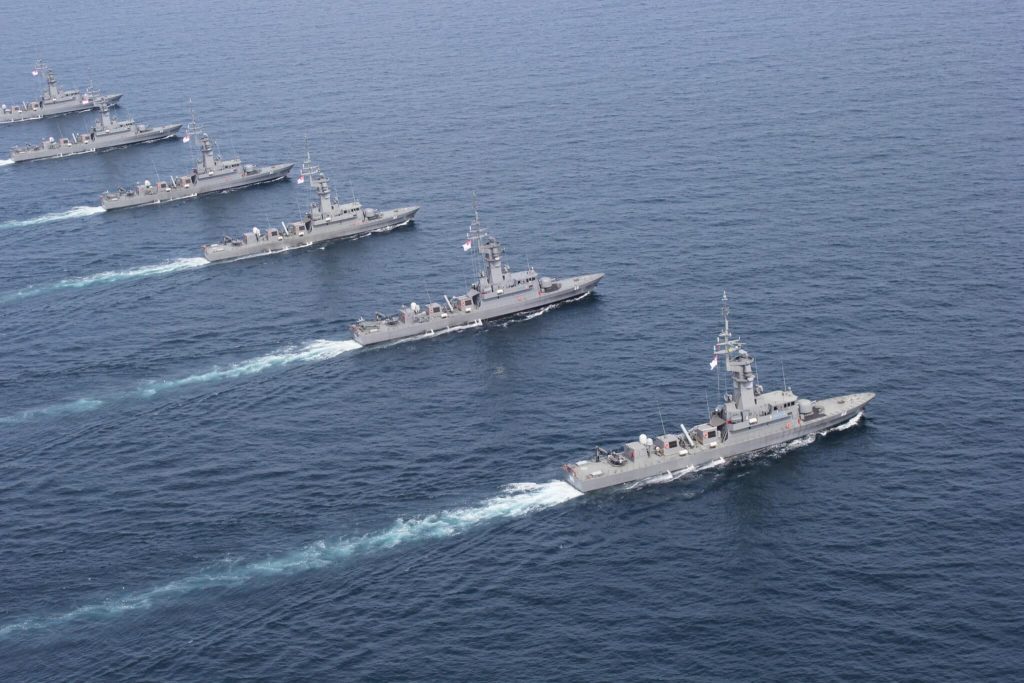
In a recent interview for IMDEX Asia 2023, Rear Admiral Sean Wat, Chief of the Republic of Singapore Navy (RSN), underscored the critical importance of maritime security for Singapore, a nation heavily reliant on sea trade. The RSN, alongside other maritime agencies, plays a vital role in ensuring the security of the Sea Lines of Communication (SLOCs) that facilitate a significant portion of the nation’s economy. The evolving nature of maritime conflict now includes a range of non-traditional threats, from sea robberies to territorial disputes and supply chain vulnerabilities, making robust maritime security increasingly essential.
To confront these challenges, the RSN adopts a “multi-role” design philosophy for its naval capabilities. This approach entails developing flexible ships that can adapt to various scenarios spanning from peace to warfare, ensuring operational readiness for unforeseen maritime security challenges. Strengthening integration with other units of the Singapore Armed Forces (SAF) and collaborating with national agencies have also been emphasized as crucial for enhancing overall operational effectiveness.
The RSN has established and maintained strong defense relations through bilateral and multilateral exercises with other navies around the globe, including regular collaborations with the Royal Australian Navy, the U.S. Navy, and regional partners like Indonesia and Malaysia. Such exercises are instrumental in fostering mutual understanding and cooperative maritime security efforts, contributing to a stable maritime environment.
Rear Admiral Wat highlighted the importance of dialogue and collaboration during events like IMDEX Asia. The upcoming International Maritime Security Conference aims to build trust among maritime law enforcement agencies and encourage cooperative responses to evolving maritime threats. Practical cooperation is also being emphasized, notably through ASEAN naval exercises aimed at fostering regional unity and sharing information.
Faced with challenges, such as a shrinking manpower resource, the RSN actively seeks transformation through technology. Innovations in artificial intelligence and unmanned technology are pivotal in enhancing operational efficiencies without significantly increasing manpower needs. For instance, the RSN is implementing automated systems on ships and experimenting with unmanned platforms for patrolling and operations, which allows for riskier missions without endangering personnel.
Training is another area where realism and safety are paramount. The RSN invests heavily in ensuring comprehensive training for its sailors, utilizing simulation technology to conduct exercises ashore while maintaining operational effectiveness. This preparation is vital for developing skills needed in real-world scenarios.
Looking to the future, the RSN emphasizes the gradual introduction of advanced platforms, including the Invincible-class submarines and Multi-Role Combat Vessels (MRCVs), designed to integrate manned and unmanned systems effectively. These advancements reflect Singapore’s strategic vision, focusing not just on hardware but also on nurturing a skilled workforce equipped for future challenges through digitalization and data analytics.
In conclusion, the RSN aims to remain a formidable maritime force, building on new capabilities and enhancing integration within the SAF and governmental agencies. The focus will continue to be on developing human resources and technological infrastructure to meet future maritime security needs while ensuring the well-being and professional growth of its personnel.
Source link