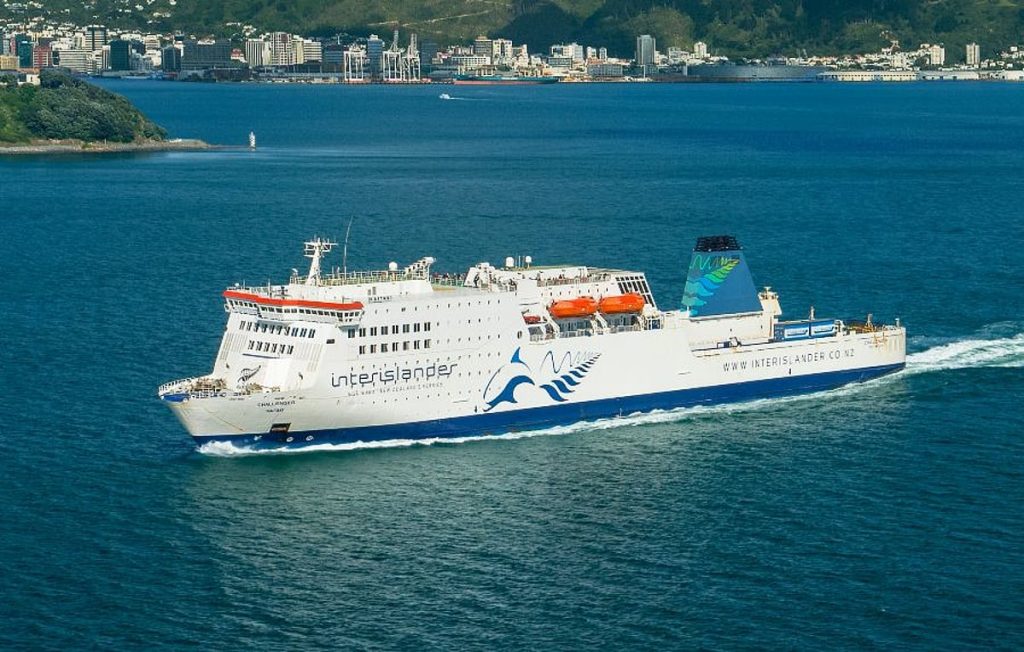
The content addresses a critical safety concern regarding ferry operations in New Zealand, specifically the potential consequences of a ferry losing power and drifting towards hazards like rocks. In such a scenario, the existing tugs lack the necessary power for emergency towing, creating a dire situation.
If a ferry were to encounter power loss while outside the harbor, the decision-making process becomes complicated by strict manning limits on the tugboats. These regulations, rooted in health, safety, and environmental (HSE) considerations, may prevent tugs from responding adequately in emergencies. If a tug were to be dispatched outside of these limits, the operators could face significant legal repercussions in the litigious environment of New Zealand.
This creates a paradoxical situation for decision-makers. They are faced with two choices: either launch a potentially risky rescue operation that could invoke legal consequences or remain in port, a decision that might lead to a tragedy unfolding in front of them. Both options carry the imminent risk of blame — whether they act or choose not to act. The content underscores the tension between regulatory constraints and the immediate need for safety measures, illustrating the necessity for a more robust system of emergency response.
Overall, this dilemma highlights the potential flaws in the regulatory framework governing maritime safety, suggesting that without addressing these issues, the safety of ferry operations remains at risk. There is a pressing need for a reevaluation of manning limits and tugboat capabilities to ensure adequate response in emergencies.