
The recent Quad Leaders’ Summit held in Wilmington, USA, marked a significant gathering of the Quad nations—India, Australia, Japan, and the United States. This summit, attended by India’s Prime Minister, is a crucial reflection of the group’s commitment to a cooperative framework to promote stability and prosperity in the Indo-Pacific region. The Quad, which has convened six times over the past four years, adopted the Wilmington Declaration during this meeting, highlighting its evolving agenda as it approaches its 20th anniversary in 2024.
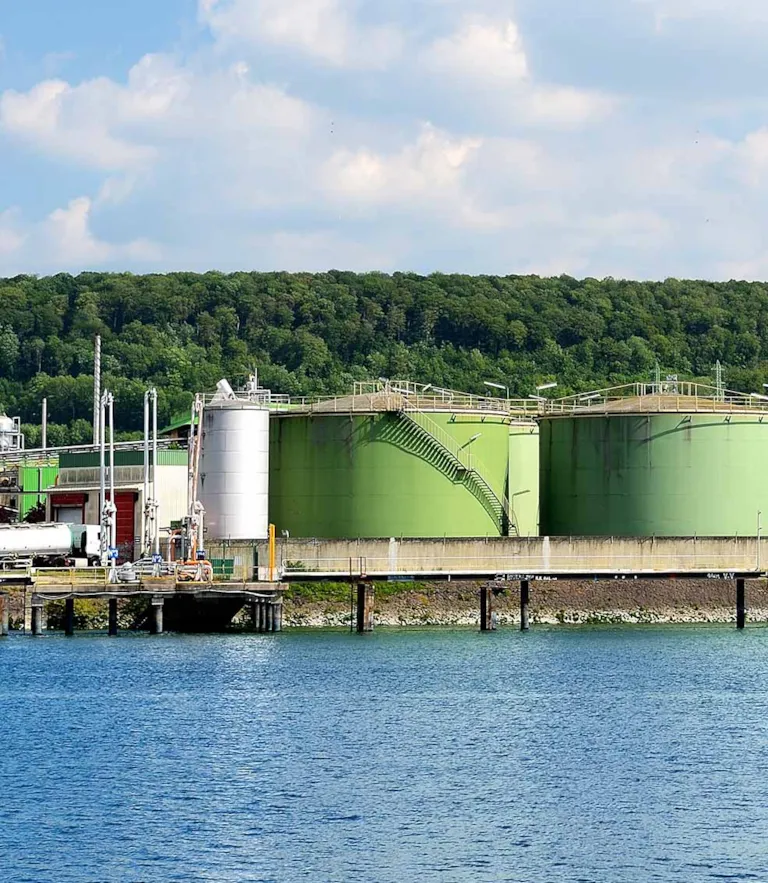
Key announcements from the summit include initiatives across various sectors. The Quad Cancer Moonshot aims to combat cervical cancer, emphasizing health security. In terms of infrastructure, the Quad Ports of the Future Partnership seeks to enhance sustainable port development. Notably, a memorandum was established to strengthen semiconductor supply chains, reflecting a collective commitment to technological resilience. The Quad Investors Network (QUIN) will mobilize investments to bolster supply chain robustness and foster research collaboration. Climate initiatives include deploying high-efficiency cooling systems to improve energy efficiency throughout the region. Additionally, India is set to establish a space-based web portal for Mauritius, promoting open scientific dialogues on climate monitoring.
The Quad’s mission is to maintain a free and open Indo-Pacific, while its importance for India is notably multifaceted. The grouping serves as a strategic counterbalance to China’s burgeoning influence and ensures maritime security in compliance with international laws. An example of this commitment was the Quad’s extensive role during the COVID-19 pandemic, pledging to deliver up to a billion vaccine doses globally. The Quad also supports India’s Act East Policy, enhancing defense capabilities through joint exercises.
However, the Quad faces challenges, including its relatively informal structure, which some argue compromises its efficacy. Critics, particularly from China, view Quad as reminiscent of Cold War-era alliances. Diverging national interests also complicate alignment, as members navigate their respective regional focuses. India remains cautious regarding any drift toward a formal military alliance, contrasting its principled stands on strategic autonomy.
Looking forward, there are discussions on institutionalizing the Quad to ensure greater effectiveness. Enhancing collaboration with regional partners and accommodating the unique needs of member nations are essential for promoting cooperation. The recent Principles for Digital Public Infrastructure (DPI) initiative, launched at the summit, reflects Quad’s focus on digital transformation to meet the UN’s sustainable development goals. It emphasizes principles like inclusivity, modularity, and sustainability, fostering communication and cooperation among nations.
Overall, the Wilmington Summit reinforces the Quad’s role as a pivotal diplomatic coalition committed to empowering the Indo-Pacific and responding to contemporary global challenges. By leveraging collective strengths, the Quad aims to not only uplift the region but also contribute significantly to global stability and development.