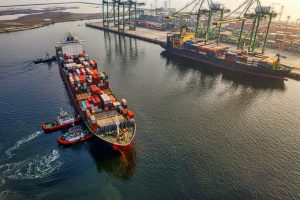

The maritime industry is the backbone of global trade, transporting around 90% of world goods. However, it faces significant environmental challenges, particularly regarding greenhouse gas (GHG) emissions, marine pollution, and resource consumption. As climate change concerns intensify, the sector is undergoing a transformative shift towards sustainability. This article explores the latest developments in green shipping and decarbonization, focusing on International Maritime Organization (IMO) regulations, the adoption of green fuels, eco-friendly practices, and real-world case studies from Singapore and beyond.
IMO Regulations: Steering the Green Transition
The International Maritime Organization (IMO) has been pivotal in driving the maritime industry’s sustainability agenda. Key regulations include:
- IMO 2020 Sulphur Cap: Effective January 2020, ships must use fuel with a sulphur content of 0.5% or less, drastically reducing sulphur oxide emissions and improving air quality.
- Energy Efficiency Existing Ship Index (EEXI): Mandates technical measures to enhance energy efficiency in existing vessels.
- Carbon Intensity Indicator (CII): Requires ships to measure and report their carbon intensity, promoting operational improvements.
- 2030 and 2050 GHG Reduction Targets: IMO aims to reduce total annual GHG emissions from international shipping by at least 40% by 2030 and 70% by 2050 (compared to 2008 levels).
These regulations push shipping companies to innovate and invest in cleaner technologies and fuels.
Green Fuels: The Future of Marine Energy
Transitioning from conventional heavy fuel oil to alternative fuels is crucial for decarbonization. Prominent green fuels include:
- Liquefied Natural Gas (LNG): Offers lower CO₂ and sulphur emissions than traditional fuels.
- Biofuels: Derived from renewable biomass, biofuels can be blended with conventional fuels to reduce carbon footprints.
- Methanol & Ammonia: Emerging as zero-carbon options, especially when produced using renewable energy.
- Hydrogen: Considered the ultimate clean fuel, hydrogen-powered ships are in development, though challenges remain in storage and infrastructure.
The uptake of these fuels is supported by incentives, research, and pilot projects worldwide.
Eco-Friendly Practices: Beyond Fuels
Sustainability in maritime extends beyond fuel choice. Key eco-friendly practices include:
- Hull Design Optimization: Advanced hull forms and coatings reduce drag, improving fuel efficiency.
- Slow Steaming: Operating ships at lower speeds significantly cuts emissions.
- Onshore Power Supply (Cold Ironing): Ships plug into shore-side electricity while at port, reducing emissions from auxiliary engines.
- Digitalization and Automation: Real-time monitoring and AI-driven route optimization help minimize fuel consumption and emissions.
Case Studies: Singapore and Global Leaders
Singapore: Asia’s Green Maritime Hub
Singapore, one of the world’s busiest ports, is a frontrunner in maritime sustainability:
- Green Port Initiatives: The Maritime and Port Authority of Singapore (MPA) offers incentives for LNG-powered vessels and ships using clean shore power.
- Decarbonization Roadmap: Singapore aims to be a global hub for green shipping fuels, including biofuels and hydrogen.
- Eco-Port Certification: The port has implemented strict waste management, water conservation, and emission reduction measures.
Global Examples
- Maersk (Denmark): The world’s largest container shipping company is investing in methanol-powered vessels and targets net-zero emissions by 2040.
- NYK Line (Japan): Piloting ammonia-fueled ships and implementing digital solutions for energy efficiency.
- Port of Rotterdam (Netherlands): Europe’s largest port is pioneering shore power, hydrogen bunkering, and circular economy initiatives.
Expert Guidance for Stakeholders
To navigate the evolving landscape, maritime stakeholders should:
- Stay updated on IMO and national regulations.
- Invest in research and pilot projects for alternative fuels.
- Collaborate with ports, governments, and technology providers.
- Embrace digitalization for operational efficiency.
- Engage in industry forums and sustainability networks.
Conclusion
Sustainability in maritime is no longer optional—it’s imperative for the industry’s future. Through robust regulations, innovative fuels, and eco-friendly practices, the sector is charting a course towards greener shipping and decarbonization. Singapore and global leaders demonstrate that collaboration, investment, and vision are key to achieving a sustainable maritime future.
Explore more guides and expert opinions at maritimefairtrade.org to stay ahead of global shipping trends, sustainability initiatives, and the latest innovations in green maritime practices. Stay informed and lead the way in the future of eco-friendly shipping.