
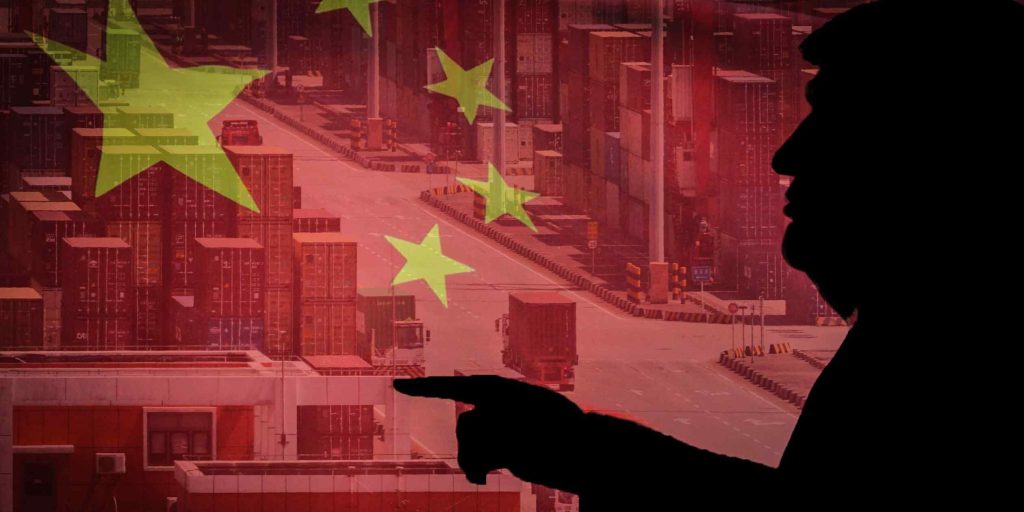
President Donald Trump’s tariffs on China have caused significant disruptions in global shipping, with many U.S. importers halting orders from one of the world’s major manufacturing hubs. This decision has raised concerns about potential shortages reminiscent of the supply chain crises experienced during the COVID-19 pandemic.
Many American businesses, wary of the surging tariffs, are reassessing their reliance on Chinese imports. This shift could lead to a drastic reduction in shipments and inventory, potentially resulting in empty store shelves across the country. Experts have begun to warn that U.S. consumers may face “COVID-like shortages,” indicating a need for urgency and adaptability in sourcing strategies.
The tariffs, which were initially implemented to combat what Trump described as unfair trade practices, have turned into a double-edged sword, affecting both the importers and end consumers. While the intention was to protect American jobs and industries, the unintended consequence has been a slowdown in trade flows, exacerbating existing supply chain issues. Businesses are finding it increasingly difficult to navigate the complex landscape of tariffs and logistical challenges.
As companies pause their orders, the ripple effect on shipping and distribution networks is becoming evident. Shipping rates are fluctuating, and there is an increasing backlog at ports as importers adjust their strategies. This situation highlights the delicate nature of global supply chains, particularly those heavily reliant on a single country for production.
Realizing the long-term implications, some businesses are exploring alternative sourcing options outside of China, but this comes with its own set of challenges, including potentially higher costs and longer lead times. The current scenario presents a pivotal moment for U.S. retailers and importers, as they must balance cost concerns with the need for a reliable supply of goods.
The threat of shortages and increased consumer prices looms large as the tariffs continue to reshape the landscape of American retail. Without significant changes in policy or trade agreements, the potential for increased inflationary pressures and economic instability may persist, affecting the broader economy.
In summary, the ongoing impact of Trump’s tariff policies is catalyzing major shifts in U.S. importing behaviors, raising fears of upcoming shortages and wreaking havoc on global shipping networks. Businesses must adapt quickly to the changing circumstances, facing both immediate challenges and long-term adjustments in sourcing and supply chain management protocols.