The ASEAN-India Summit 2025, held in Kuala Lumpur, underscored significant advancements in the partnership between India and the Association of Southeast Asian Nations (ASEAN). Co-chaired by Malaysian Prime Minister Anwar Ibrahim, the summit marked the 22nd meeting between the two entities, emphasizing a relationship founded on “values of friendship, trust, and shared interests.” Indian Prime Minister addressed the summit virtually, proclaiming 2026 as the “ASEAN-India Year of Maritime Cooperation” and outlining initiatives aimed at enhancing security, economic collaboration, connectivity, and development through 2030.
A key outcome was the endorsement of the ASEAN-India Plan of Action for 2026-2030, which sets a comprehensive roadmap for cooperation across multiple domains. This Plan builds upon directives from the 21st ASEAN Summit, focusing on tourism, educational exchanges, digital transformation, health, and climate initiatives.
Economic integration was a focal point, particularly with the modernization of the ASEAN-India Trade in Goods Agreement (AITIGA). As India’s trade deficit with ASEAN ballooned from $9.66 billion in 2016-17 to $43.57 billion in 2022-23, the review aims to streamline customs procedures and eliminate non-tariff barriers to boost trade. ASEAN remains India’s fourth-largest trading partner, accounting for around 11% of its global trade. Discussions extended to digital transformation, enhancing collaboration on Digital Public Infrastructure, fintech solutions, and the ASEAN-India Fund for Digital Future to support joint initiatives.
Connectivity was also prioritized, focusing on infrastructural projects like the India-Myanmar-Thailand Trilateral Highway and the Kaladan Multi-Modal Transport Project. Enhanced physical connectivity could transform India’s northeastern states into regional trade hubs while expanding digital connectivity through improved broadband and communication systems.
Strategically, the summit addressed geopolitical dynamics in the Indo-Pacific, with ASEAN nations caught between U.S. and Chinese influences. India’s engagement presents a balanced partnership centered on mutual respect and shared democratic ideals. India’s involvement in various ASEAN mechanisms showcases its commitment to regional stability.
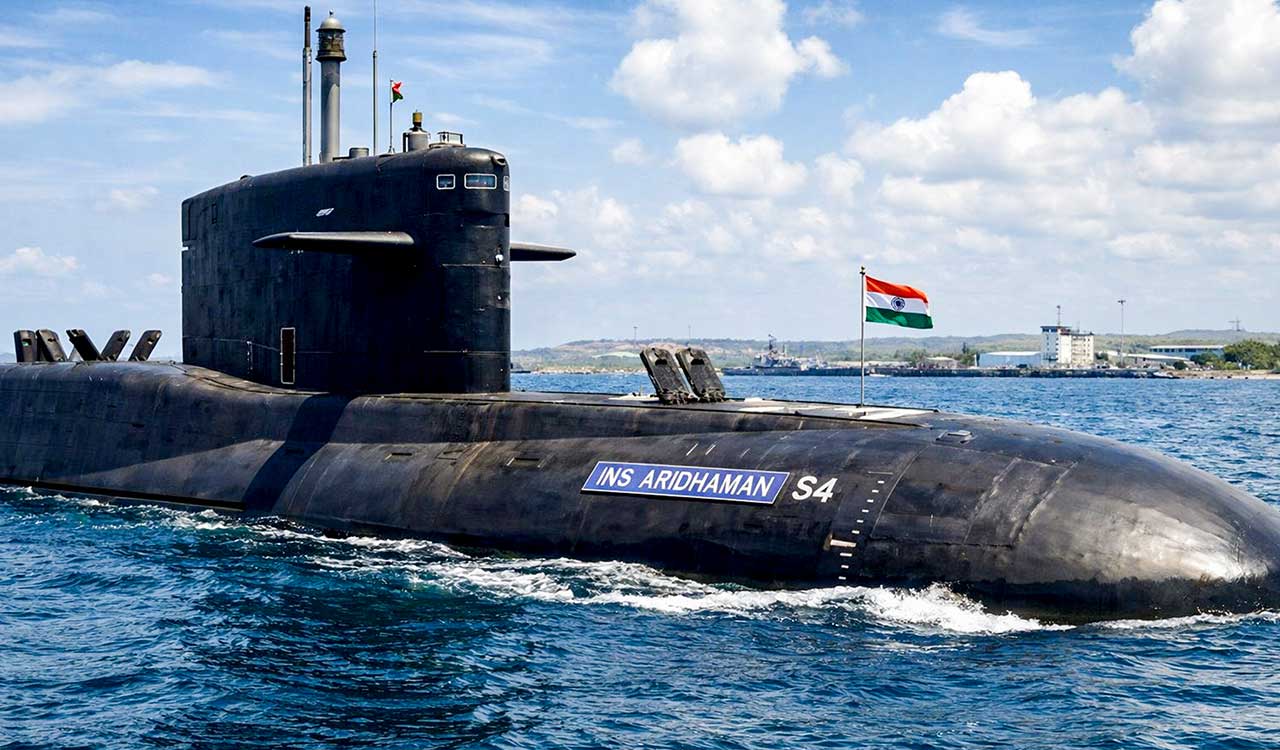
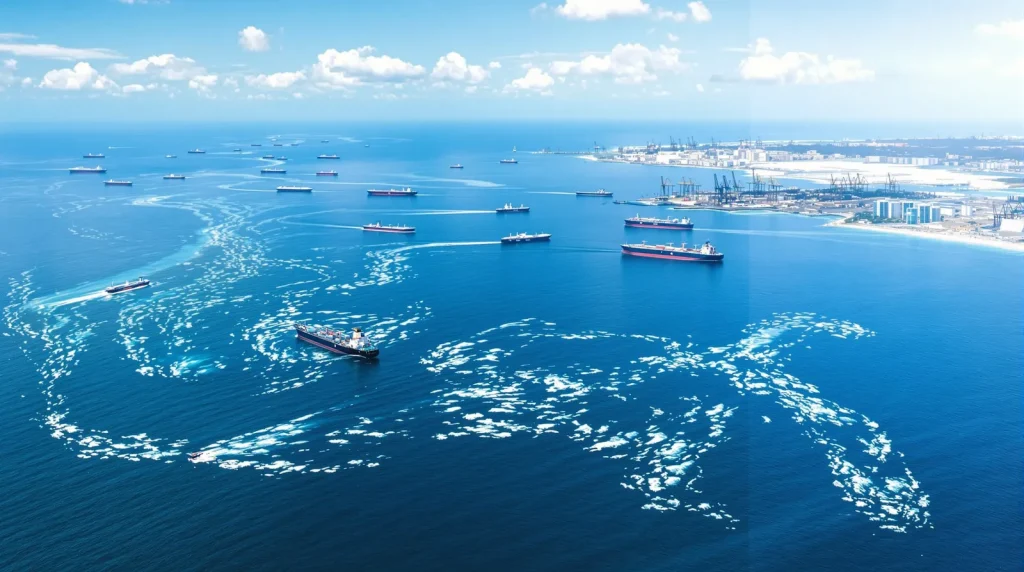
Maritime cooperation emerged as a pivotal aspect of the partnership, responding to collective concerns over freedom of navigation and maritime security, especially regarding China’s assertiveness in the South China Sea. The declaration of 2026 as the Year of Maritime Cooperation signifies a heightened focus on naval interoperability and efforts to address challenges like piracy and illegal fishing.
Overall, the ASEAN-India partnership goes beyond bilateral ties, laying a foundation for a cooperative framework in the Indo-Pacific. India’s Act East Policy aims to position it as a central player in Southeast Asian affairs, enhancing economic security through vital maritime routes. The comprehensive agenda discussed at the summit positions both regions to navigate the complexities of great power rivalry, advocating for a model of collaboration that upholds regional autonomy and fosters shared growth.
In conclusion, the summit reflects a matured relationship that tackles pressing Indo-Pacific issues. The initiatives set forth, particularly the Maritime Cooperation Year and the 2026-2030 Plan of Action, are crucial for translating political commitments into tangible outcomes, promising enhanced cooperation between India and ASEAN amidst evolving global dynamics.