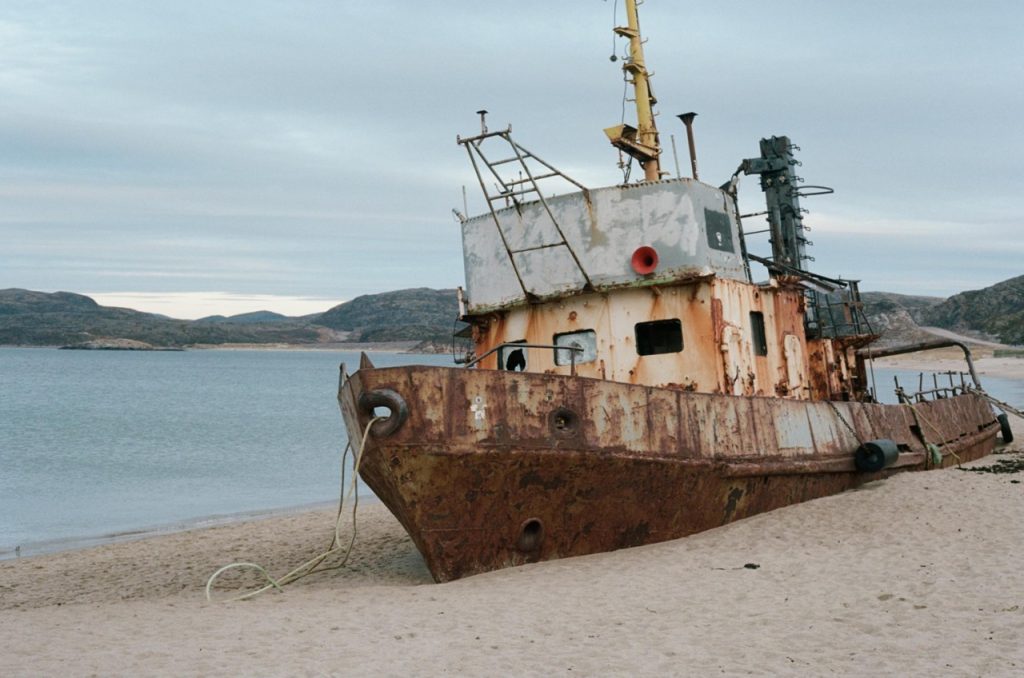
The global economy relies heavily on maritime trade, accounting for over 80% of the world’s goods transported by sea. However, a significant issue lurks beneath this vital industry: the abandonment of seafarers. These maritime workers, crucial to international trade, often find themselves deserted in foreign ports, unpaid and forgotten. This crisis is not merely a moral failing but rather a systemic issue stemming from deficient maritime labor practices, especially affecting those from economically disadvantaged nations.
### The Scale of the Problem
Seafarer abandonment has reached alarming levels, with the International Labour Organization (ILO) defining it as a situation where shipowners fail to cover the costs of repatriating their crew or leave them unsupported for extended periods. Data reveal a staggering increase in cases—from 1,676 instances in 2023 to 3,133 in 2024, with a significant number of Indian seafarers affected. The figures likely underestimate the reality of the situation since many cases go unreported due to fear of retaliation or a lack of awareness of rights among seafarers.
Countries like the Philippines and India form a large portion of the global maritime workforce, with many seafarers hailing from impoverished backgrounds that see maritime work as a path to economic stability. Unfortunately, this often leads to exploitation, including unsafe working conditions and abandonment.
### The Complexity of Maritime Labor Practices
Maritime operations are often shrouded in complexity, driven by “Flags of Convenience” (FOCs). Shipowners register vessels in countries with lax regulations to evade labor laws, leading to the exploitation of seafarers. Over 70% of the global fleet operates under FOCs, fostering a landscape where labor and safety regulations are frequently bypassed. This systemic exploitation leaves seafarers vulnerable and often leads to abandonment, particularly during financial turmoil for shipowners.
Seafarers frequently enter into agreements through manning agencies, which impose exorbitant fees and trap them in debt before they even board a vessel. This financial burden, combined with the isolation they face at sea and the complexity of maritime law, leaves them at a significant disadvantage should abandonment occur.
### The Human Cost and Legal Challenges
The consequences of abandonment are dire, both psychologically and economically. Stranded seafarers endure severe hardships, including food and water shortages and inadequate medical care. Many report suffering from anxiety and PTSD. Economically, they struggle to support their families, often losing substantial unpaid wages.
Legal recourse is challenging for abandoned seafarers. Issues such as visa restrictions and the bureaucratic complexity of ship ownership hinder their ability to seek redress, and national governments often prioritize diplomatic relations over seafarers’ rights.
### The Need for Reform
The abandonment crisis reveals deficiencies in the regulatory framework governing maritime labor. Although the Maritime Labour Convention (MLC) aims to protect seafarers’ welfare, enforcement is inconsistent globally. The fragmented nature of maritime governance complicates accountability, allowing shipowners to easily deflect responsibility.
Global bodies, such as the IMO and ILO, have started to address these challenges, but more rigorous enforcement and reform measures are necessary. Proposed solutions include strengthening international legal frameworks, enhancing inspections at ports, creating mandatory welfare funds for seafarers, and increasing transparency in shipping registries.
### Conclusion
Seafarer abandonment represents a profound human rights issue, exposing the inequalities present in a globalized economy reliant on maritime trade. Effective change requires a unified effort from governments, industry stakeholders, and international organizations to ensure that seafarers are treated with dignity and fairness. By prioritizing their rights and welfare, we can create a more just and sustainable future for global trade, ultimately recognizing that the value of the shipping industry lies not only in its vessels but in the people who operate them.
Source link