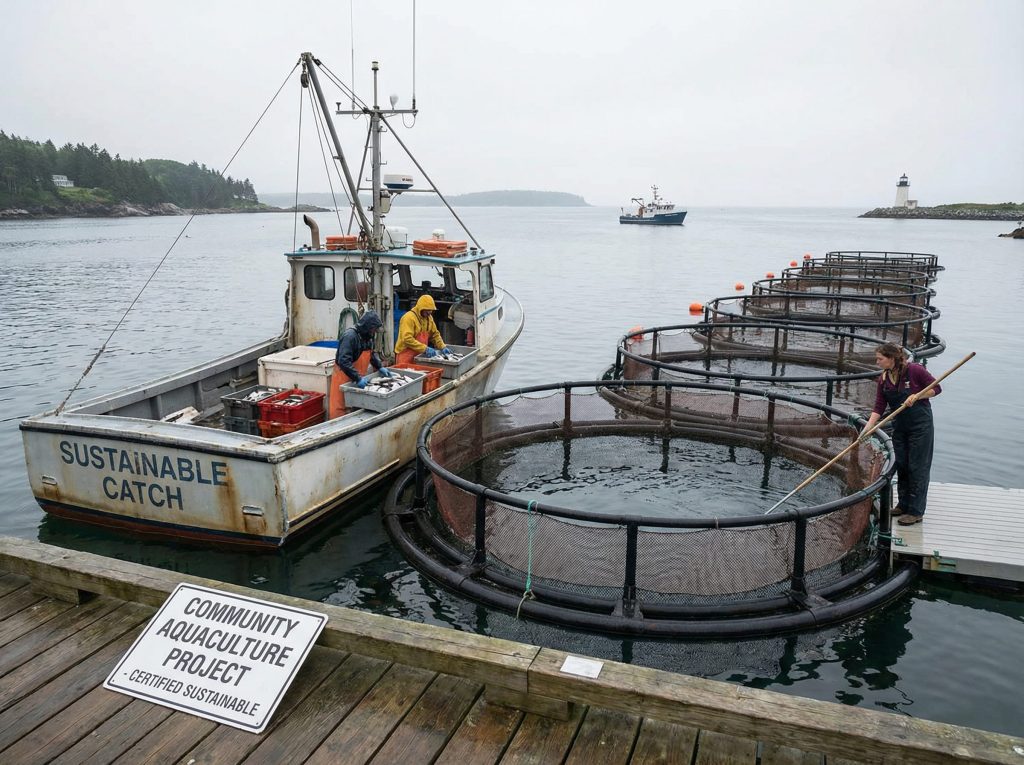
The fishing and aquaculture industries are vital components of the global economy, providing food, employment, and livelihoods for millions. However, the challenge lies in balancing industry growth with the necessity of conserving marine ecosystems. This article explores sustainable practices in commercial fishing and aquaculture, highlighting regulations, innovations, and strategies for maintaining the health of our oceans.
Commercial Fishing Regulations
Commercial fishing is governed by a complex set of regulations aimed at ensuring sustainable practices. These regulations vary by region and are designed to prevent overfishing, protect endangered species, and manage fish stocks effectively. Key elements of commercial fishing regulations include:
- Catch Limits: Governments and international bodies set quotas on the amount of fish that can be caught to prevent depletion of fish populations.
- Seasonal Restrictions: Certain species have designated fishing seasons to allow for breeding and recovery periods.
- Gear Restrictions: Regulations often dictate the types of fishing gear that can be used, minimizing bycatch and protecting marine habitats.
- Licensing and Monitoring: Fishermen are required to obtain licenses and report their catches, enabling better management and enforcement of regulations.
By adhering to these regulations, the fishing industry can work towards sustainable practices that ensure the long-term viability of fish stocks and marine ecosystems.
Aquaculture Innovations
Aquaculture, or fish farming, has emerged as a solution to meet the growing demand for seafood while reducing pressure on wild fish populations. Innovations in aquaculture are focused on sustainability, including:
- Recirculating Aquaculture Systems (RAS): These systems filter and reuse water, minimizing waste and reducing the environmental impact of fish farming.
- Integrated Multi-Trophic Aquaculture (IMTA): This approach involves cultivating different species together, such as fish, shellfish, and seaweed, creating a balanced ecosystem that uses waste from one species as nutrients for another.
- Genetic Improvements: Advances in breeding techniques are producing fish that grow faster and are more resistant to diseases, reducing the need for antibiotics and other chemicals.
- Alternative Feeds: Research into plant-based and insect-based feeds is helping to reduce reliance on wild fish for feed, making aquaculture more sustainable.
These innovations are paving the way for a more sustainable aquaculture industry, capable of meeting global seafood demands without compromising the health of our oceans.
Balancing Industry Growth with Ocean Conservation
As the demand for seafood continues to rise, it is crucial for the fishing and aquaculture industries to find a balance between growth and conservation. This involves:
- Collaborative Management: Engaging stakeholders, including fishermen, scientists, and conservationists, in decision-making processes to ensure that all voices are heard and that policies are effective.
- Ecosystem-Based Management: Adopting management practices that consider the entire ecosystem, including the interactions between species and their habitats.
- Public Awareness and Education: Raising awareness about sustainable practices and the importance of ocean conservation can lead to more responsible consumer choices and support for sustainable fisheries and aquaculture.
By implementing these strategies, the fishing and aquaculture industries can thrive while protecting the marine environment for future generations.
Explore more industry guides and expert opinions at maritimefairtrade.org to stay ahead of sustainable practices in the fishing and aquaculture sectors.