On April 15, the United States Central Command (CENTCOM) announced that it has successfully implemented a full blockade of Iran’s ports, achieving maritime dominance in crucial waterways, particularly the Strait of Hormuz. CENTCOM Commander Admiral Brad Cooper reported that within 36 hours of initiating the blockade, U.S. forces effectively halted all maritime trade in and out of Iran, a country where an estimated 90% of the economy relies on international maritime trade.
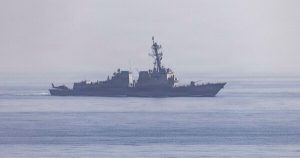
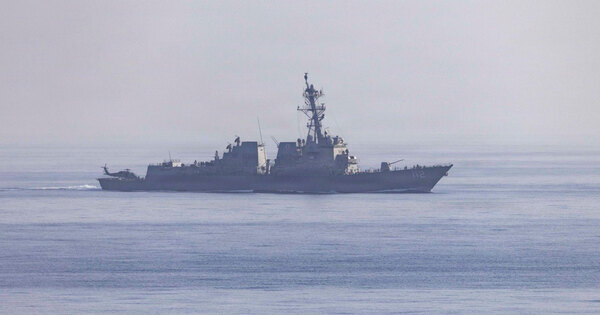
The blockade operation is being enforced by U.S. Navy guided-missile destroyers, which are targeting vessels of all nations that attempt to enter or leave Iranian ports. This uncompromising stance underscores the scale and preparedness of the U.S. military presence in the region, which includes over 10,000 U.S. personnel—comprising Sailors, Marines, and airmen—alongside multiple warships and aircraft.
In the first 24 hours following the blockade’s implementation, no ships breached the restrictions, with six merchant vessels complying with orders to return to Iranian ports in the Gulf of Oman. The blockade encompasses all Iranian ports along the Persian Gulf and Gulf of Oman, with a robust enforcement strategy in place.
While the blockade restricts access to Iranian ports, U.S. forces emphasize their commitment to ensuring freedom of navigation for vessels travelling to and from non-Iranian ports in the Strait of Hormuz. This development signifies a substantial escalation in U.S.-Iran tensions, which could have far-reaching consequences for global trade and regional stability.
Overall, the blockade reflects a strategic move by the U.S. to exert pressure on Iran, marking a critical moment in the ongoing conflict between the two nations. The implications of this blockade could ripple through international maritime trade and affect diplomatic relations in an already volatile region.
Original publication date: [original_date]