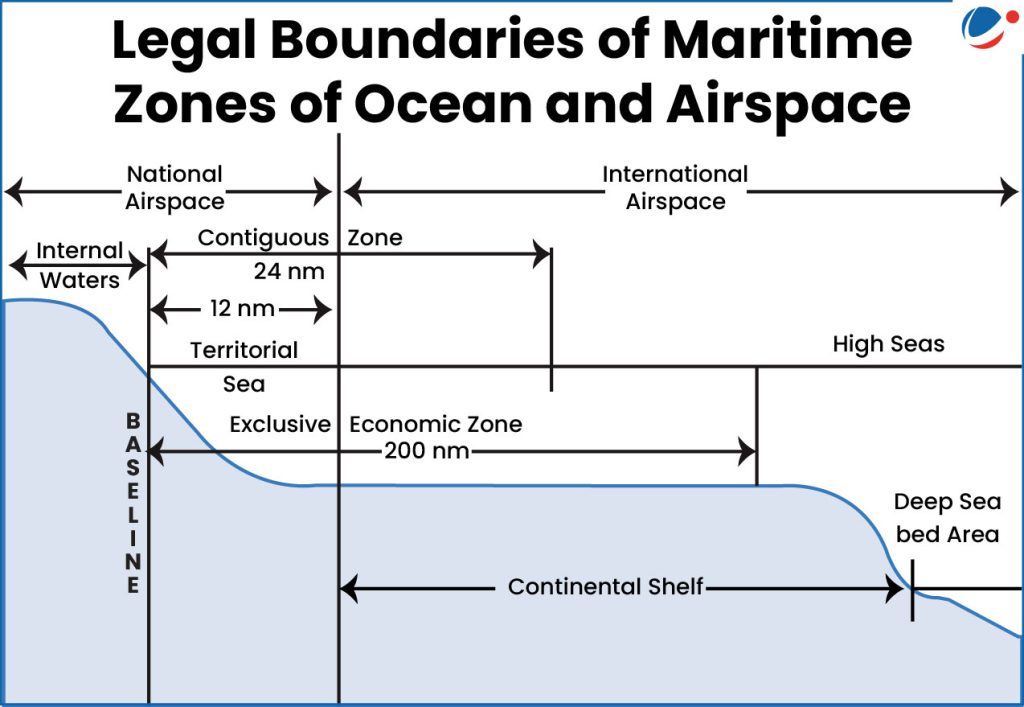
The Treaty for the Conservation and Sustainable Use of Marine Biological Diversity of Areas Beyond National Jurisdiction (BBNJ), also referred to as the High Seas Treaty, is poised to come into effect following its ratification by the 60th nation. This landmark agreement, under the United Nations Convention on the Law of the Sea (UNCLOS), aims to protect and sustainably manage marine biodiversity in areas outside national jurisdictions, specifically beyond the Economic Exclusive Zones (EEZ).
The BBNJ treaty is an essential addition to the framework of UNCLOS, joining previous agreements like the 1994 Part XI Implementation Agreement and the 1995 UN Fish Stocks Agreement. It establishes mechanisms for funding and governance, including a Conference of the Parties and institutional frameworks for oversight. As of September 30, 2025, 145 countries signed the treaty, with 74 having ratified it, although India has signed but yet to ratify.
Key components of the BBNJ include the creation of Marine Protected Areas (MPAs), a framework for sharing benefits derived from Marine Genetic Resources (MGRs), capacity building for developing nations, and requirements for environmental impact assessments on high seas activities. Notably, certain military activities are exempt from these regulations, as are fishing practices governed by existing laws.
The treaty addresses critical gaps in ocean governance, given that 95% of ocean volume and about half of the Earth’s surface lack effective protection. Currently, only about 1% of the high seas are protected. It seeks to promote equity, especially for developing countries and small island nations like Vanuatu, thereby offering a more inclusive decision-making platform. Additionally, the BBNJ provides strategies to mitigate the impacts of climate change, adopting the “polluter-pays” principle and including mechanisms for conflict resolution.
For India, ratification of the BBNJ aligns with its historical support for UNCLOS and bolsters its Blue Economy initiatives, such as the Deep Ocean Mission. However, challenges remain, including the need for universal ratification, possible conflicts with national interests, and the complicity of enforcement mechanisms, as the treaty lacks a punitive authority and relies on flag states for compliance.
Going forward, strategies to enhance the treaty’s effectiveness include diplomatic efforts to encourage major maritime nations to ratify it, strengthening enforcement, resolving conflicts related to MPAs, and ensuring robust support for developing nations through financial and technological resources. Additionally, Environmental Impact Assessments (EIAs) can be expanded to mitigate unforeseen environmental hazards.
Overall, the BBNJ treaty marks a significant step toward enhanced governance of the high seas and contributes to a more sustainable and equitable international maritime order, with a direct link to achieving global sustainability goals, particularly Sustainable Development Goal (SDG) 14.
Source link