
Summary of India’s Naval Diplomacy in the Indian Ocean
Introduction
The Indian Ocean has become a focal point for India’s foreign policy, driven by its economic, security, and strategic interests. As the largest economy in the region, India recognizes that maintaining the security and stability of the Indian Ocean is paramount for its national interests. Given varying naval capabilities among nations in the region, naval diplomacy has gained significance in India’s foreign relations.
Naval diplomacy, an extension of defense diplomacy, aims to enhance diplomatic ties through military partnerships, capability building, and cooperative efforts. Historically, navies served primarily as security arms, but their roles have expanded to include diplomacy and policing, thereby impacting maritime governance and humanitarian efforts proficiently.
A Normative Reorientation
India’s perception of its naval role has shifted from being a “net security provider” to a “preferred security partner.” This change reflects a deeper commitment to regional collaboration, allowing India to position itself as an equal stakeholder in the security architecture of the Indian Ocean. Challenges such as geopolitical competition, piracy, maritime terrorism, and environmental threats necessitate this evolving role, which aims to mitigate risks not only to India’s sovereignty but also to the livelihoods of dependent maritime communities.
Expanding Bilateral Engagement Through Naval Diplomacy
India’s naval diplomacy strategy encompasses enhancing political influence through expanded bilateral engagements. This is operationalized via a triad of initiatives:
- Naval Exercises: Conducting bilateral and multilateral exercises fosters cooperation and interoperability among navies.
- Capacity Building: India assists regional navies in bolstering their operational capabilities through training and resources.
- Humanitarian Assistance and Disaster Relief (HADR): The Indian Navy actively participates in disaster relief and crisis management, building political goodwill and strengthening relationships.
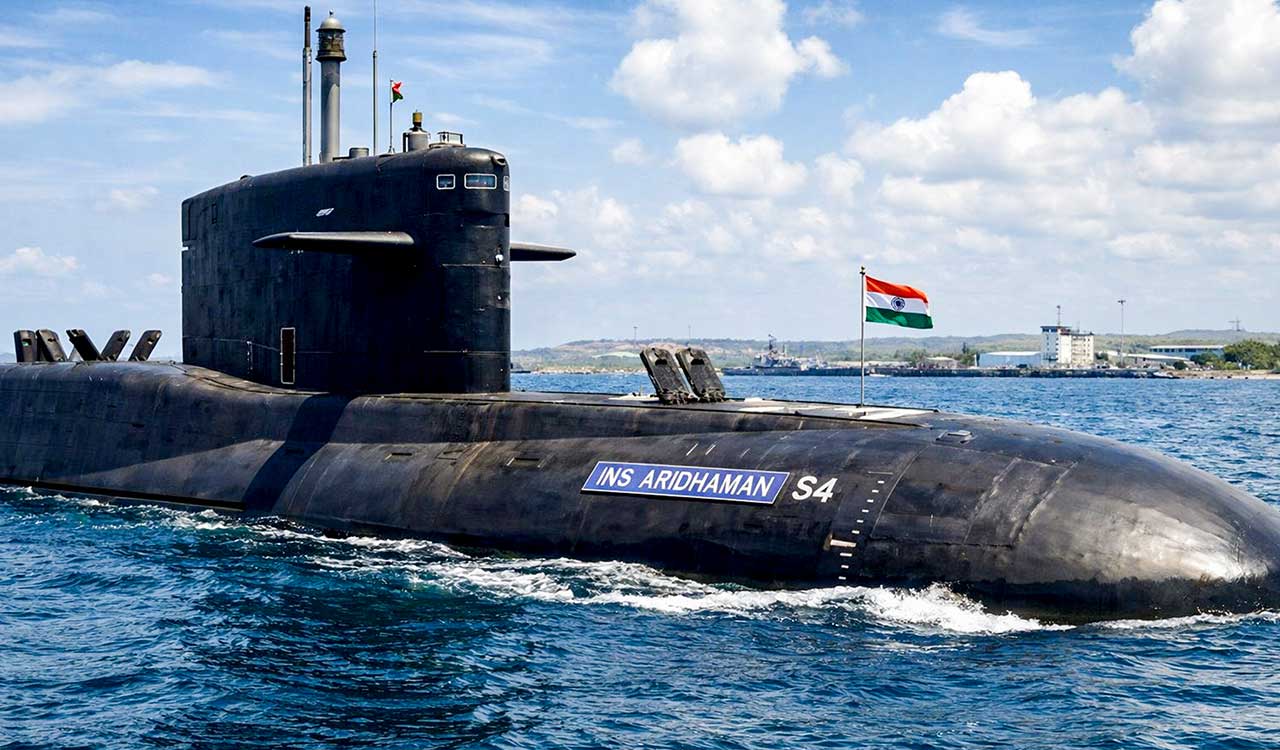
Exercises like SLINEX with Sri Lanka, SIMBEX with Singapore, and the Malabar exercises with the Quad (U.S., Japan, Australia) showcase India’s growing naval engagement. The Indian Navy conducts various cooperative initiatives, demonstrating its readiness to assist in peacekeeping and disaster management.
Multi-Stakeholder Arrangements in Naval Diplomacy
The Indian Navy actively participates in multilateral frameworks to tackle collective maritime security challenges through coalitions such as the Indian Ocean Naval Symposium (IONS) and the Information Fusion Centre – Indian Ocean Region (IFC-IOR). These platforms facilitate collaboration and information sharing among partner navies to enhance maritime safety and security.
The Malabar exercises exemplify significant multinational collaboration, evolving from a bilateral to a multilateral initiative. These interactions signify India’s strategic pivot toward a broader security framework, allowing for enhanced operational capabilities alongside friendly nations.
Conclusion
India’s naval diplomacy represents a critical component of its strategy to project power and secure its interests in the Indian Ocean. By transitioning from a net security provider to a preferred security partner, India emphasizes regional collaboration over a client-patron dynamic. Through proactive engagements and multilayered cooperation, India strives to navigate the complexities of maritime security challenges, particularly in countering influence from China and fostering stable maritime governance in the region. The Indian Navy’s multifaceted role underscores the importance of collaborative efforts essential for ensuring the vitality and security of the Indian Ocean and the broader Indo-Pacific region.