The recent tariffs imposed by President Donald Trump are creating significant challenges for the global shrimp market, particularly impacting Indian exporters. With up to 2,000 containers of frozen shrimp at risk, the Indian seafood industry’s future is uncertain, especially considering it heavily relies on major U.S. retailers like Walmart and Kroger. The proposed 26% tariff on Indian shrimp, part of Trump’s trade strategy, endangers a thriving seafood export sector valued at $7 billion.
Farmers and exporters in India are feeling the financial strain, leading to a dramatic 10% reduction in offer prices as they attempt to maintain sales. S.V.L. Pathi Raju, a shrimp farmer in Andhra Pradesh, highlights the struggles of rural families facing dwindling demand; he emphasizes that government support is crucial to alleviate burdens of high feed prices and other input costs. Many farmers in this coastal region are contending with steep expenses for feed and land rentals, further complicating their situation.
In contrast, Ecuador, a significant shrimp supplier to the U.S., stands to gain from these tariffs. With lower tariff rates due to its geographic proximity, Ecuadorian exporters may capitalize on India’s losses, as shrimp is its most valuable export after oil.
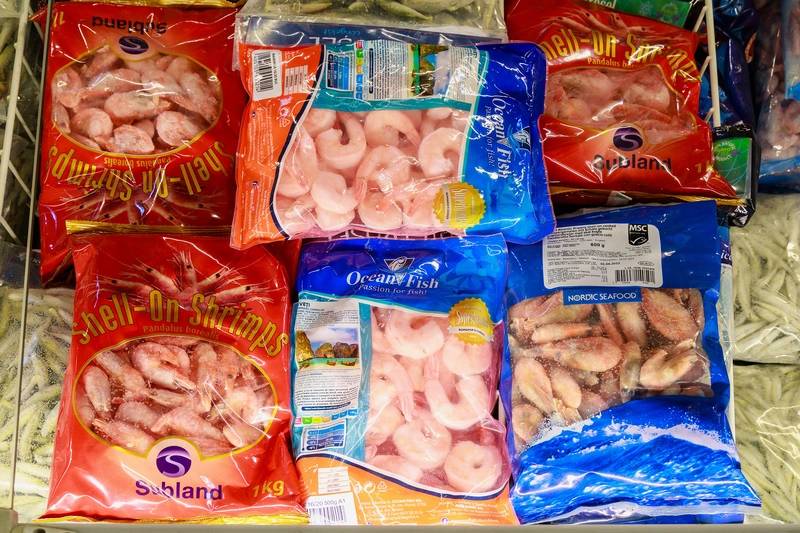
India’s seafood exports reached a record $7.3 billion last year, with shrimp accounting for a significant portion of this trade. The Andhra Pradesh region, home to around 300,000 shrimp farmers, plays a critical role in this sector, supplying 92% of India’s $2.5 billion seafood exports to the U.S. The intricate processing of shrimp involves washing, sorting, and quality checking, often undertaken in facilities adhering to sanitary measures. Once processed, shrimp are flash-frozen and shipped to U.S. ports, where they are vital for restaurants and major retail chains.
The looming uncertainty due to Trump’s trade policies poses a threat to the long-term stability of India’s shrimp industry, challenging the livelihoods of countless farmers and workers. With the strong demand from the U.S. and China still vital, the outcome of these tariffs could reshape the dynamics of the global shrimp market profoundly.
Source link