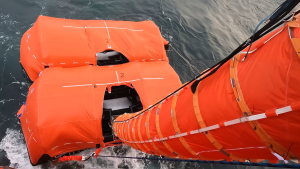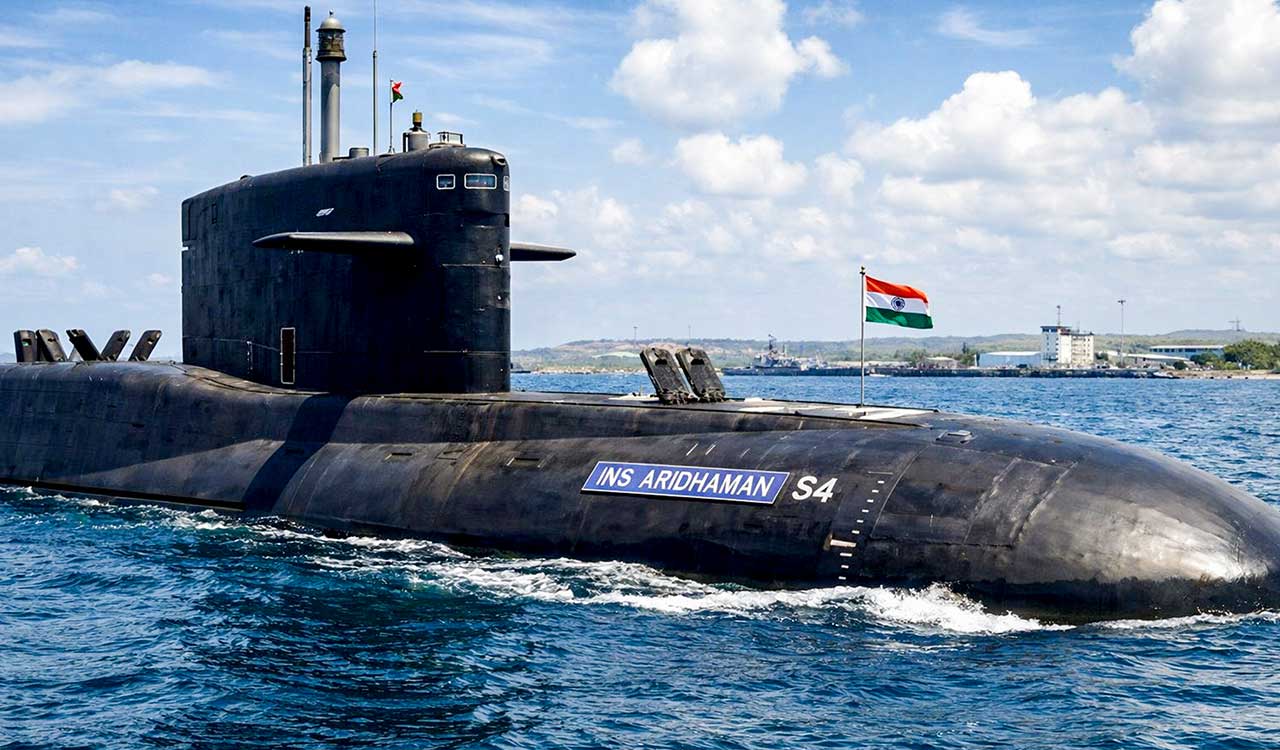

India is making significant strides in deep-sea exploration through its Deep Ocean Mission, particularly with the recent wet testing of the Matsya-6000, a manned submersible capable of diving up to 6,000 meters. This initiative, developed by the National Institute of Ocean Technology (NIOT), positions India among a select group of countries with such advanced maritime capabilities. However, experts emphasize that this endeavor encompasses not just scientific exploration but also vital economic, security, and geopolitical dimensions.
Importance of Deep Sea Resources for India
The United Nations Convention on the Law of the Sea (UNCLOS) provides countries exclusive rights over marine resources within their Exclusive Economic Zone (EEZ), extending 200 nautical miles from the coast. India’s EEZ is rich in untapped resources such as polymetallic nodules, gas hydrates, and rare-earth elements crucial for meeting rising industrial and energy demands. Additionally, marine biological resources offer significant economic and nutritional opportunities. Deep-sea exploration is essential not only for resource extraction but also for advancements in climate research and the security of undersea internet infrastructure.
Challenges in Developing Deep Sea Capabilities
However, developing deep-sea technologies presents substantial challenges. The average depth of India’s EEZ is about 3,741 meters, requiring specialized vehicles and materials to withstand extreme pressure, which can exceed 380 atmospheres. Moreover, effective communication underwater is complex due to the factors affecting sound propagation, which necessitates expensive technologies like Very Low Frequency (VLF) systems. Financial investment, specialized knowledge, and workforce training are also critical, especially as countries like the U.S., China, and Japan are already leading in this field.
Next Steps for India
Experts suggest several key actions for India to strengthen its deep-sea strategy:
- Form a Dedicated Ministry: Transition the Department of Ocean Development into a full-fledged Ministry of Ocean Affairs to improve coordination and strategic oversight.
- Enhance Funding and Efficiency: Approve deep-sea projects with clear objectives, defined budgets, and transparency to expedite progress.
- Establish Centers of Excellence: Invest in institutions that focus on deep-sea sciences and technology to foster innovation and expertise.
- Promote Private Sector Involvement: Encourage partnerships in deep-sea mining, cable installation, and submersible innovation.
- Create a Long-term Plan: Develop a ten-year roadmap outlining milestones in technology, governance, and infrastructure.
Acknowledging that deep-sea technologies can serve both civilian and military functions, India should treat ocean development as a national strategic priority.
Conclusion
India’s pursuit of becoming a global economic power cannot overlook the significance of deep-sea resources and technologies. The Matsya-6000 represents just the beginning; now is the time for India to accelerate its efforts in establishing a comprehensive deep-sea strategy that aligns with its broader aspirations in maritime security, economic growth, and international standing. As the global landscape shifts toward ocean-based resources and technology, India’s commitment to advancing its deep-sea capabilities will be essential for securing its future.