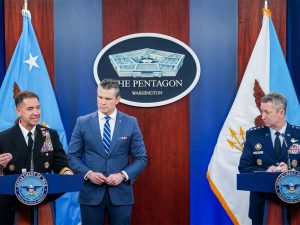
Marine Corps Lieutenant Colonel Stuart Scheller has recently garnered significant media attention after publicly criticizing senior military leaders for their handling of the Afghanistan withdrawal through a social media video posted while he was still on active duty. In this video, he demanded accountability for what he termed their incompetence. Despite previously being ordered to refrain from posting controversial opinions, Scheller accepted the consequences of his actions, including his removal from command and the decision to face court-martial.
Scheller’s case highlights a larger issue within the military regarding the interplay of personal beliefs and professional obligations. While he may have felt justified in expressing dissent, especially in light of significant policy disagreements, his actions are viewed as insubordination—especially given that military officers have a duty to uphold orders unless they are unlawful. Critics argue that Scheller’s choice to publicly undermine military policy while still in uniform compromises the integrity and morale of the service, casting doubt on his commitment to his fellow Marines and the larger military structure.
This incident reflects a troubling trend wherein political partisanship is infiltrating the military, threatening the established order and discipline necessary for effective military operations. Scheller’s case follows that of Navy Chief Eddie Gallagher and raises critical questions about how military leaders execute lawful commands and instill core values in their subordinates.
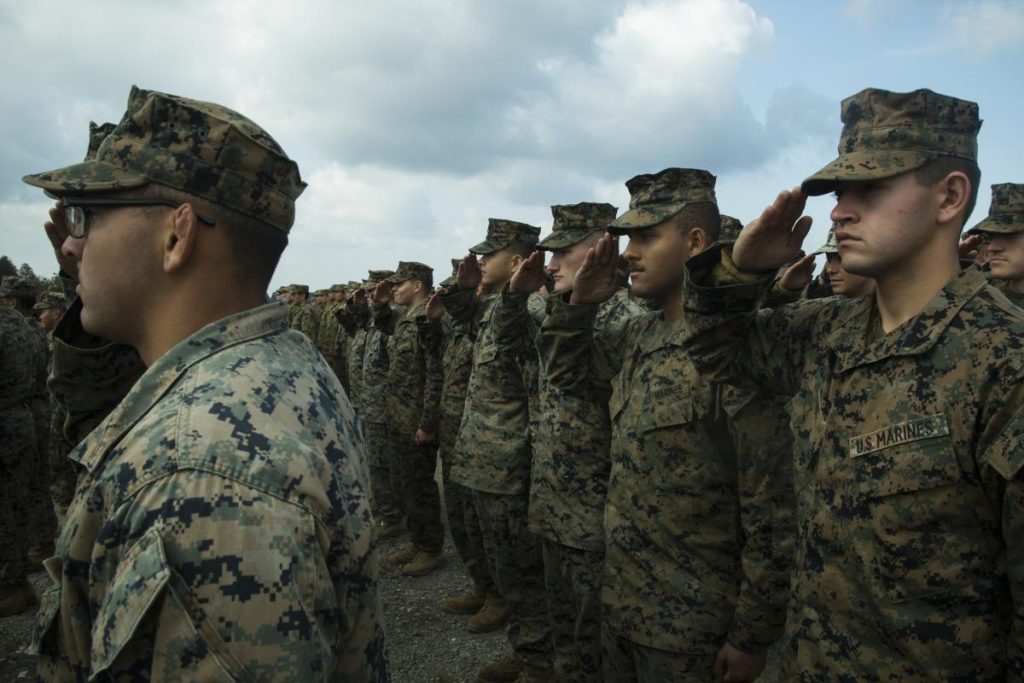
The core values of the Navy and Marine Corps—Honor, Courage, and Commitment—are designed to guide service members in their conduct and decision-making. Scheller’s actions, while emblematic of a broader societal conflict, challenge these values. The military depends on high morale and order, aspects vital for maintaining effectiveness in combat scenarios. Low morale can lead to defeat, even against ostensibly superior forces; thus, the focal point of military leadership should be to nurture a supportive environment that fosters morale.
Social media has changed the landscape of military communication, amplifying dissent and potentially radical views that can harm unit cohesion and discipline. Leaders must engage in transparent communication to counteract these negative influences.
Reflecting on personal experiences with military policies, the author recalls disagreements but emphasizes the obligation to uphold orders and duties. They recount a transformative encounter with President George W. Bush, who acknowledged mistakes during the Iraq War. The President’s honesty and accountability instilled a sense of purpose and discipline, allowing military personnel to align their efforts with shared goals.
Ultimately, the accountability of military leaders is paramount. They must prioritize enhancing military effectiveness while adhering to ethical conduct, modeling behaviors that reflect lawful and honorable service. The stakes are high; neglecting these responsibilities can jeopardize the safety and efficacy of those in their command, underscoring the importance of duty over individual belief in the military context.
Source link