The resurgence of tariffs under President Donald Trump has significant implications for the global shipping industry, which is crucial to Greece’s economy, contributing approximately 7.9% to its GDP. As geopolitical risks, including conflicts and policy shifts, can disrupt trade routes and maritime security, the shipping sector must navigate this evolving landscape of protectionist trade policies.
Trump’s administration has reinstated broad tariffs on imports, specifically targeting Mexico, Canada, and China. Although delays in tariff implementation occurred for Mexico and Canada, a 10% tariff on all Chinese imports commenced on February 4. These measures are presented as a way to protect American jobs and stimulate economic growth, but they have drawn criticism for potentially increasing costs for consumers. Supporters argue that they might help correct trade imbalances prevalent in the global economy.
The immediate impact of the tariffs on the shipping industry involves increased shipping rates, sparked by supply chain disruptions as companies adjust their sourcing strategies. Longer or indirect shipping routes may lead to heightened demand for shipping services, benefitting the industry in the short term. However, long-term effects could be detrimental. Increased goods costs may decrease demand, potentially reducing trade volumes and harming the shipping industry, particularly if trading partners retaliate with their tariffs.
This uncertainty generates market volatility, making it challenging for shipping companies to commit to long-term contracts. With fluctuating trade policies, firms might prefer short-term agreements, complicating investment and operational planning.
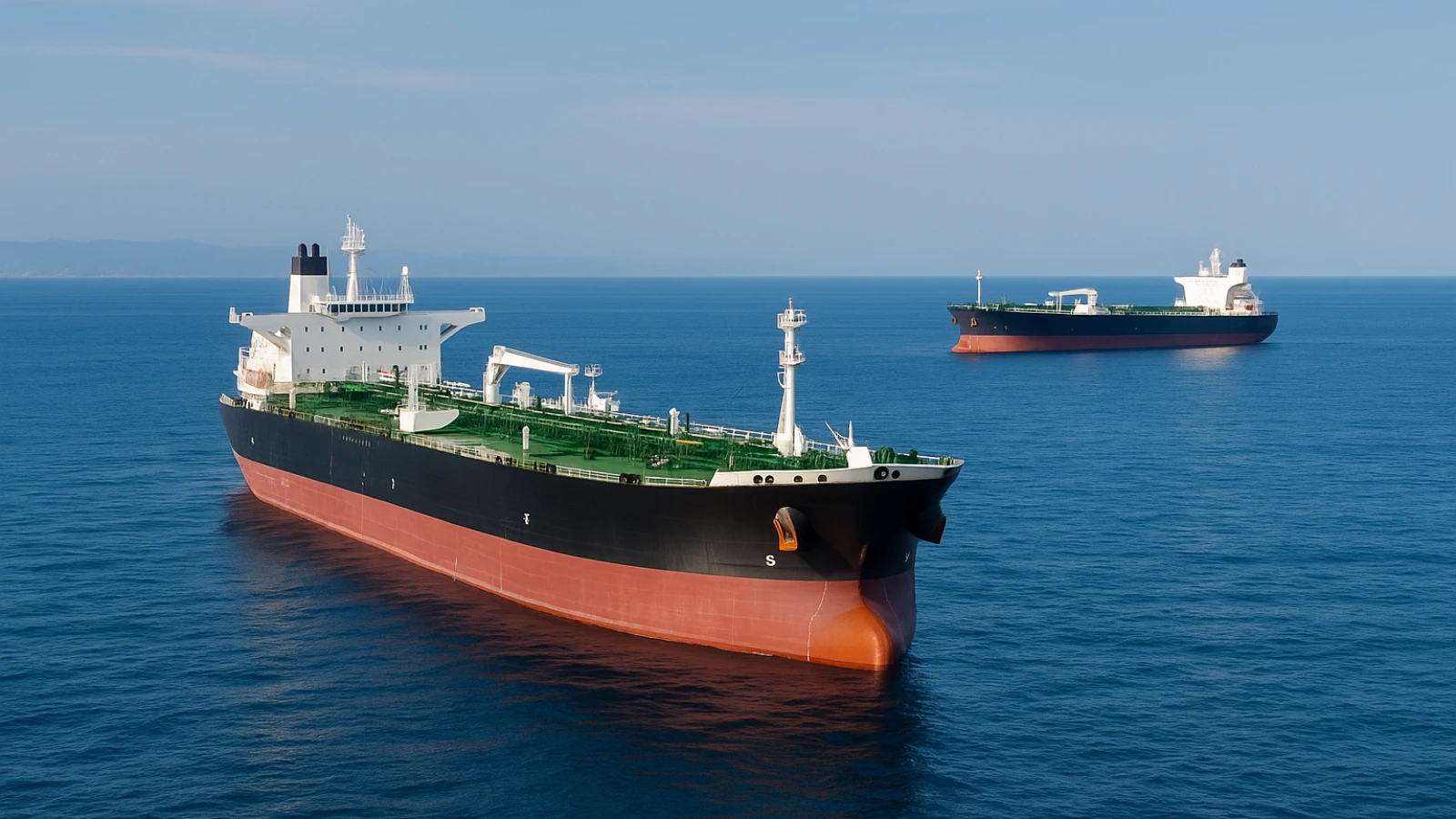
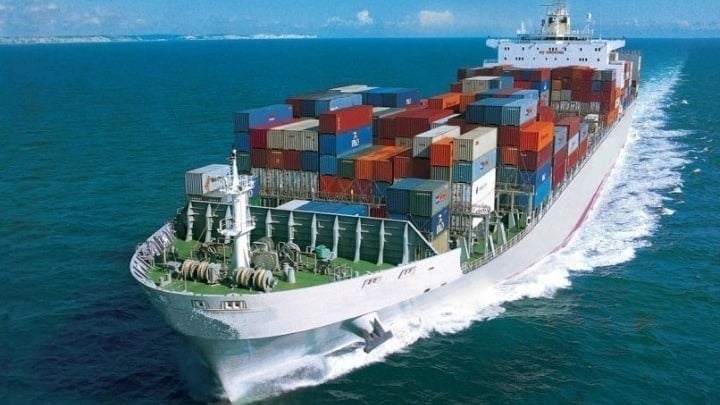
For Greek shipping, which dominates the global market with a fleet of 4,992 vessels and a capacity of 394.98 million deadweight tons, these changes could be especially harmful. Any disruption in global trade could impact Greek shipping companies, including those focused on container and bulk transport, both crucial for steady international trade. Moreover, Greek shipping’s significant role in energy transportation is also at risk. Should demand for commodities like oil and liquefied natural gas decline due to tariffs, shipping demand and freight rates could become volatile.
Despite these potential challenges, economists suggest that Greece’s economy may not experience significant direct impacts from U.S. tariffs due to its limited reliance on U.S. exports—only 4.8% of total exports in 2024 were to the U.S. Furthermore, there is a trade surplus of €200 million, although specific sectors like food and live animals show positive balances while fossil fuels exhibit a deficit.
Indirect consequences could, however, arise. As about 20% of EU exports go to the U.S., increases in tariffs could negatively affect Greek products integrated into European supply chains. Estimated impacts on Eurozone growth from a 10% tariff hike could hover between 0.5% to 1% over two years, with potential modest effects on Greek GDP amid evolving economic conditions in the Eurozone.
In conclusion, while President Trump’s tariffs could provide short-term benefits to shipping rates due to supply chain disruptions, the longer-term outlook remains precarious for both the shipping industry and the broader Greek economy, emphasizing a careful strategic adaptation in an uncertain global trade environment.
Source link