
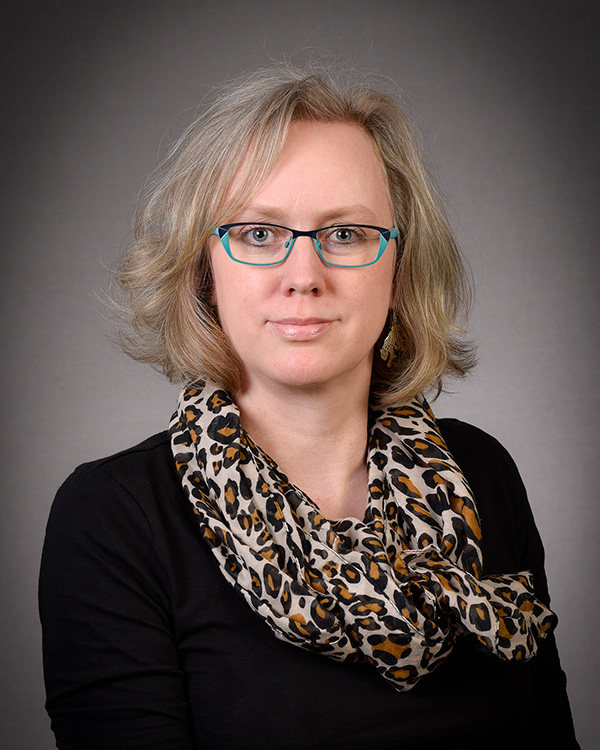
Pauline M. Shanks Kaurin, a philosopher renowned for her work in military ethics and just war theory, has resigned from her position as the Admiral James B. Stockdale Chair in Professional Military Ethics at the Naval War College in Newport, Rhode Island. Her resignation stems from concerns that a recent executive order issued by President Donald Trump, along with directives from Secretary of Defense Pete Hegseth, fundamentally compromised academic freedom and the integrity of her research and teaching.
Since joining the Naval War College in 2018, Shanks-Kaurin has engaged in complex discussions concerning oaths, obedience, and the ethical implications of military conduct. Her interest in these issues is rooted in her extensive academic background, including a doctoral dissertation that analyzed the My Lai massacre, where U.S. soldiers, under the pressure of obedience to orders, inflicted severe harm on unarmed civilians. This reflects her commitment to critically examining what it means to obey orders in a military context—a topic that can evoke strong emotions and resistances within military spheres.
The executive order issued on January 27, 2025, outlined prohibitions aimed at preventing the promotion of what it categorized as “divisive concepts” and mandated a curriculum that fosters the notion of America’s founding documents as fundamentally beneficial. Specifically, the order prohibits discussions portraying these documents as racist or sexist, and it further bans hiring individuals who might advocate for what the order deems “un-American” theories. This has raised substantial concerns regarding the academic environment at the Naval War College, particularly in terms of the autonomy of faculty to explore controversial subjects in their teachings.
Initially, Shanks-Kaurin was reassured by the college’s administration that her work would remain uncontested and that academic freedom would be preserved. However, this reassurance crumbled when she observed the removal of a book addressing LGBTQ issues from faculty display cases. Seeking clarification regarding the potential limitations on academic freedom, she attended a meeting of the college’s leaders, where she and her colleagues learned that the institution intended to comply with the executive order’s restrictions. This revealed a stark shift, wherein faculty were essentially asked to self-censor their scholarship and teaching practices—a significant concern for Shanks-Kaurin as it inhibits her ability to engage in moral philosophy, especially concerning race and gender issues.
The atmosphere in the meeting was reportedly tense, with faculty members expressing grave concerns over the implications of this directive, and the realization that even well-established academic discourse might fall under scrutiny or be deemed inappropriate. Shanks-Kaurin characterized the experience as one of the most distressing moments in her 31 years in academia, conveying the gravity of the situation and the potential implications of such policy changes on the academic climate at military institutions.
In summary, Shanks-Kaurin’s resignation highlights critical issues surrounding academic freedom and the impact of political directives on educational institutions, particularly those related to military ethics and the evolution of discourse surrounding race and gender. As military academies adapt to these new policies, the future of open and honest academic inquiry remains uncertain.
Source link