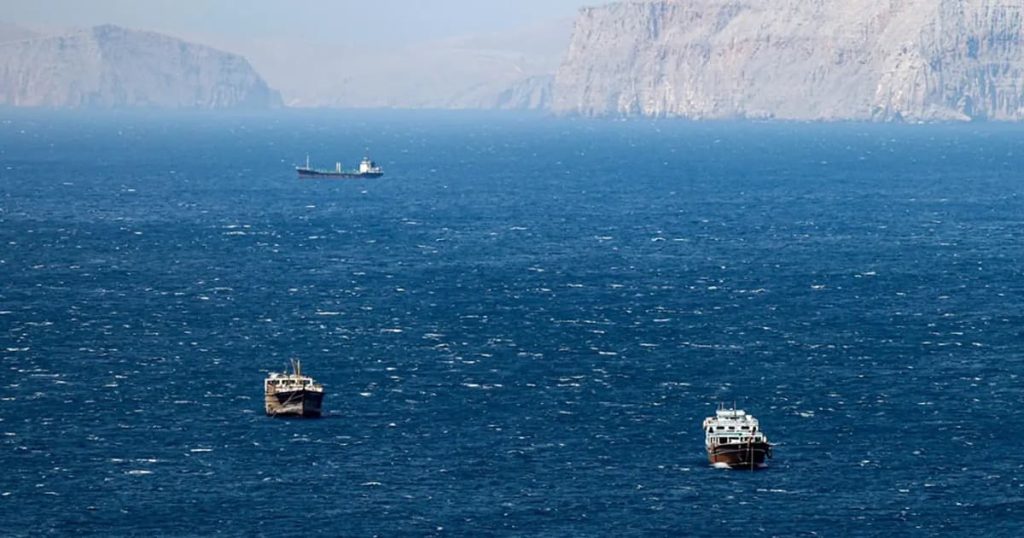
Malaysia’s recent diplomatic initiative to secure fee exemptions for its vessels in the Strait of Hormuz has provoked discussion regarding the legal and geopolitical implications of such moves. Maritime law expert Jason Chuah from Universiti Malaya has expressed that this decision is essential for safeguarding the welfare of crews operating in a highly volatile region. He notes that while Malaysia’s right to negotiate passage is grounded in international transit law, engaging in discussions does not undermine this right but rather seeks a humane approach to protect vulnerable seafarers.
Chuah emphasizes the importance of diplomatic efforts, highlighting a recent incident involving the Ocean Thunder, an oil tanker chartered by Malaysia’s Petronas. He argues that without diplomatic intervention, the vessel could still be stranded in the Persian Gulf. This incident underscores the pressing need for pragmatic responses to immediate operational risks faced by seafarers in such high-stakes environments.
In contrast, Singapore has opted against negotiations with Iran regarding safe passage and toll rates in the strait, adhering to its principle of neutrality. Prime Minister Anwar Ibrahim supports Malaysia’s approach, asserting it is within the nation’s sovereign rights to negotiate under the circumstances.
However, experts warn that Malaysia’s decision could have longer-term implications, both legally and geopolitically. Under the United Nations Convention on the Law of the Sea, transit through international straits should be non-discriminatory, raising concerns about the precedent Malaysia might set by accepting preferential treatment or fee exemptions that are not available to other countries. Such actions could invite challenges to Malaysia’s own maritime rights and attract scrutiny from Western nations, particularly if they perceive the arrangements as benefiting Malaysia in a legally complex, sanctioned context.
The broader debate surrounding the Strait of Hormuz reflects varying national responses to escalating tensions in a critical global shipping route for oil and liquefied natural gas. While Malaysia aims to protect its seafarers, the implications of its diplomatic strategies remain a pivotal consideration as regional dynamics evolve.
Original publication date: [original_date]