On May 30, 2025, Greece submitted a formal letter to UN Secretary-General Antonio Guterres, outlining its positions on maritime zones and security in the Eastern Mediterranean. This letter became public on July 15 and emphasized Greece’s commitment to international law, especially the United Nations Convention on the Law of the Sea (UNCLOS), which it regards as a key factor in upholding state sovereignty and regional stability.
Key Highlights from Greece’s Submission
Commitment to International Law
Greece’s letter reiterates adherence to UNCLOS, emphasizing the importance of respecting a nation’s maritime rights and condemning violations of territorial waters and airspace. It frames such actions as destabilizing threats to regional security and stresses that Greece will not entertain any attempts to alter established sovereignty matters set by international agreements.
Regional Cooperation
Greece underscores its proactive role in regional partnerships to foster stability and peace, citing trilateral cooperation initiatives with nations such as Cyprus, Israel, Egypt, Jordan, and the USA. The letter highlights Greece’s involvement in energy interconnection projects aimed at linking the Eastern Mediterranean with Europe, thereby promoting economic collaboration.
Maritime Security Leadership
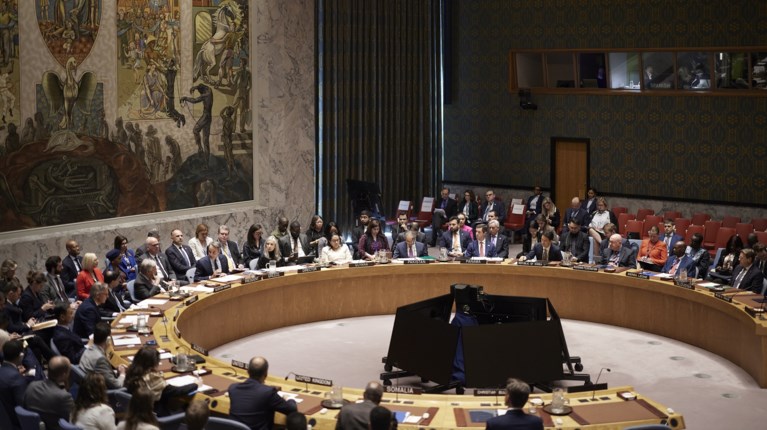
While serving as President of the UN Security Council in May 2025, Greece hosted a High-Level Debate focused on Global Maritime Threats. This aspect of the letter emphasizes Greece’s commitment to maritime security as integral to both regional stability and economic resilience. It showcases Greece’s leadership role in EU naval operations and its hosting of maritime security conferences to engage regional countries actively.
Cyprus Issue
Greece expresses unwavering support for a just resolution to the Cyprus dilemma, advocating for a bicommunal, bizonal federation that aligns with UN Security Council Resolutions. This position includes a strong condemnation of any unilateral moves aimed at establishing secessionist entities in occupied territories, reiterating the importance of Cyprus’s independence and territorial integrity.
Palestinian Perspective
On the Palestinian issue, Greece supports a two-state solution while firmly rejecting Hamas’s involvement in governance. The letter calls for the immediate release of any hostages held by Hamas, emphasizing the need for strong security guarantees for Israel.
Syria’s Stability
Greece advocates for a peaceful, pluralistic Syria, underlining the necessity for human rights guarantees and good neighborly relations as crucial for Mediterranean stability.
Context and Implications
Greece’s submission aligns with a UN General Assembly request for member states’ perspectives on enhancing maritime security in the Mediterranean. The letter indirectly counters claims from Turkey and Libya without naming them, reinforcing Greece’s focus on international law and regional cooperation. By proactively outlining its stance, Greece positions itself strategically in ongoing maritime disputes, especially ahead of Libya’s own notes to the UN.
The content of the letter not only illustrates Greece’s dedication to international norms and multilateralism but also aims to enhance its influence in Eastern Mediterranean affairs against a backdrop of competing national interests. This positioning marks Greece as a vital player in the region’s geopolitical landscape, advocating for stability and cooperation.
Conclusion
In summary, the Greek letter to the UN encapsulates a robust commitment to maritime rights, cooperative regional relationships, and proactive engagement in conflict resolution. It serves as a foundation for Greece’s diplomatic efforts, highlighting the importance of legality and stability amid ongoing tensions in the Eastern Mediterranean.