
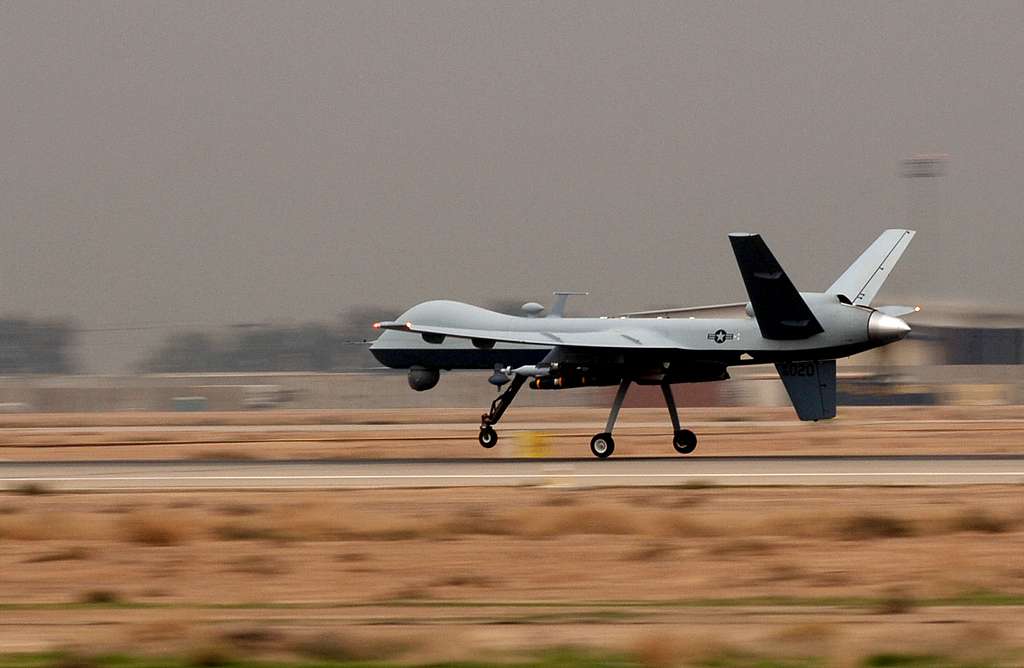
The rise of Autonomous Weapon Systems (AWS) is reshaping warfare, presenting significant operational advantages and ethical dilemmas. The ongoing conflict in Ukraine illustrates this transformation, where both Ukrainian and Russian forces deploy advanced drones that enhance combat efficiency while also raising concerns about accountability and potential violations of international humanitarian law. Ukrainian technologies have successfully targeted high-value Russian assets, reflecting both precision and cost-effectiveness. Conversely, Russia’s production of over a million drones in one year highlights the rapidity with which such technologies can proliferate, often without adequate regulatory oversight.
Policymakers are now tasked with balancing the operational benefits of AWS against the imperative to uphold ethical and legal standards. Central to this discourse is the question of when, if ever, humans should relinquish their roles in lethal decision-making processes. The acceleration toward fully autonomous systems introduces complexities regarding human oversight, with current categorizations of autonomy—human-in-the-loop, human-on-the-loop, and human-out-of-the-loop—illustrating varying levels of human interaction. The 2023 update to U.S. Directive 3000.09, which redefined “human oversight,” suggests a growing acceptance of AI in oversight roles, complicating accountability concerns significantly.
Global trends in drone development reveal serious implications for international security. The U.S. is leading a military overhaul that emphasizes drone integration, while China and Russia are also aggressively advancing their drone technologies. In China, for instance, significant government support has fostered rapid advancements in drone technology, emphasizing integration with private industry under national security initiatives. The accessibility and low costs of drones render them effective tools of warfare but pose risks of misuse by both authoritarian regimes and non-state actors.
Existing autonomous systems continue to evolve, showcasing capabilities ranging from advanced targeting to semi-autonomous operations. Notably, the Kargu-2 drone, deployed in Libya, exemplified early instances of autonomous targeting in combat, raising ethical and legal concerns about accountability when lethal force is applied without human oversight.
While AWS offer transformative potential for military operations, they also pose risks, including the possibility of lowering the threshold for warfare. Fully autonomous systems may inadvertently breach principles of distinction and proportionality, leading to civilian casualties. Additionally, variable interpretations of AI governance among NATO allies create interoperability challenges, potentially hindering collective defense initiatives.
Ethical frameworks underscore the necessity of human involvement in lethal decision-making to maintain moral responsibility and accountability. The lack of nuanced judgment in autonomous systems risks leading to dehumanized warfare, stripping away the moral considerations inherent to life-and-death decisions. Thus, robust policies are imperative for establishing clear boundaries for AWS, incorporating ethical safeguards while advancing technological capabilities.
To navigate these complexities effectively, there is a pressing need for international regulatory frameworks that encompass operational metrics, ethical standards, and compliance with international humanitarian law. Future discussions will likely center on establishing treaties that mandate human oversight and accountability, ensuring that as technology advances, it does not outpace ethical considerations crucial for maintaining the integrity of warfare.
Ultimately, the evolution of AWS presents both opportunities and challenges; thus, nations must prioritize ethical governance to harness their potential responsibly while safeguarding against risks that could undermine the foundational principles of justice and humanitarian law in military contexts.
Source link