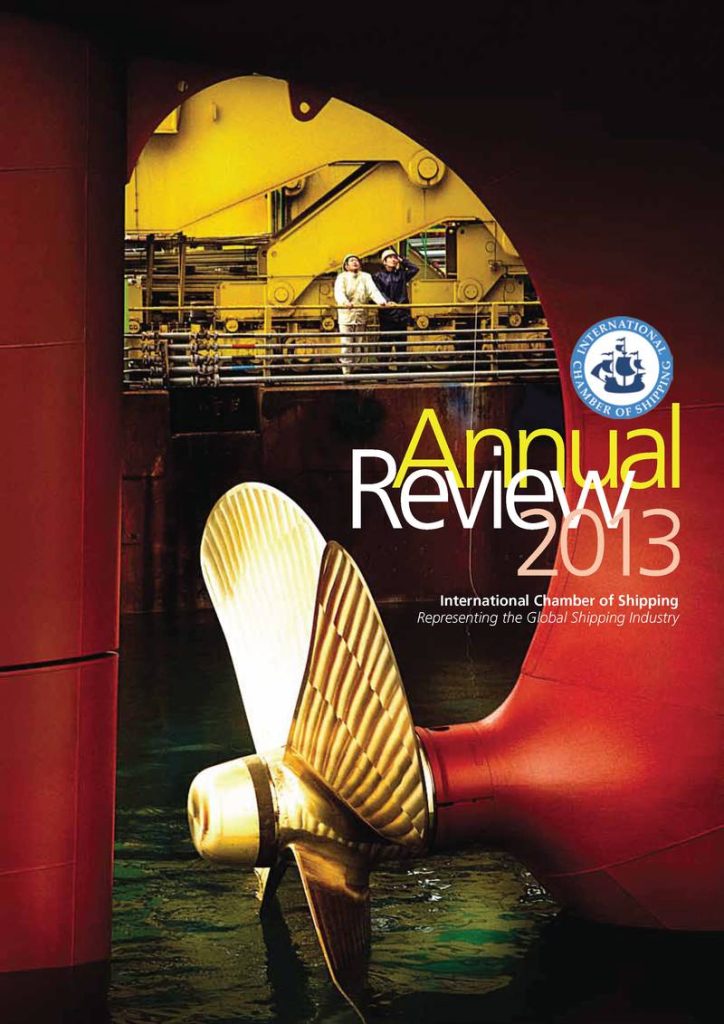
The International Chamber of Shipping (ICS) has released its Annual Review of maritime policy and regulatory developments ahead of its Annual General Meeting, taking place in Oslo from June 5-7, 2013. This document, available for free download on the ICS website, provides a comprehensive overview of the organization’s activities as the leading international trade association for ship operators. Printed copies are also being distributed through ICS’s 36 member national shipowners’ associations, which collectively represent over 80% of the global merchant fleet and engage with international regulatory bodies like the International Maritime Organization (IMO).
The 2013 Annual Review highlights several critical issues impacting the maritime industry. A key focus is the need for policymakers to find a balance between environmental protection and the economic viability of shipping. As discussions continue regarding the regulation of CO2 emissions, the ICS stresses the importance of ensuring that environmental regulations align with economic sustainability, especially in light of current global economic challenges.
Another significant topic is the implementation of the International Labour Organization (ILO) Maritime Labour Convention, alongside ongoing concerns about piracy and hostage situations, which affect the safety and security of maritime operations. Additionally, the review addresses preparations for safe and environmentally friendly ship operations in the Arctic, coinciding with a high-level Summit on this issue in Oslo.
The ICS Annual Review also covers developments in key areas including maritime safety, labor affairs, crew training, maritime law, insurance, and shipping and trade policies. It underscores the importance of maintaining a ‘level playing field’ and open shipping markets to enhance the competitiveness of the industry.
In his introduction, ICS Chairman Masamichi Morooka emphasizes the need for regulators to prioritize the economic sustainability of shipping amid the trend of implementing new environmental regulations. He advocates for a pragmatic approach, notably stressing that while environmental protection is vital, it must not undermine the financial health of the shipping industry.
Morooka reflects on the ability of ICS to achieve consensus on complex issues, highlighting the diverse range of topics that the organization must address to represent shipowners globally. Through this comprehensive review, the ICS aims to communicate the central themes affecting maritime policy and ensure that the shipping industry remains both environmentally responsible and economically viable.
Source link