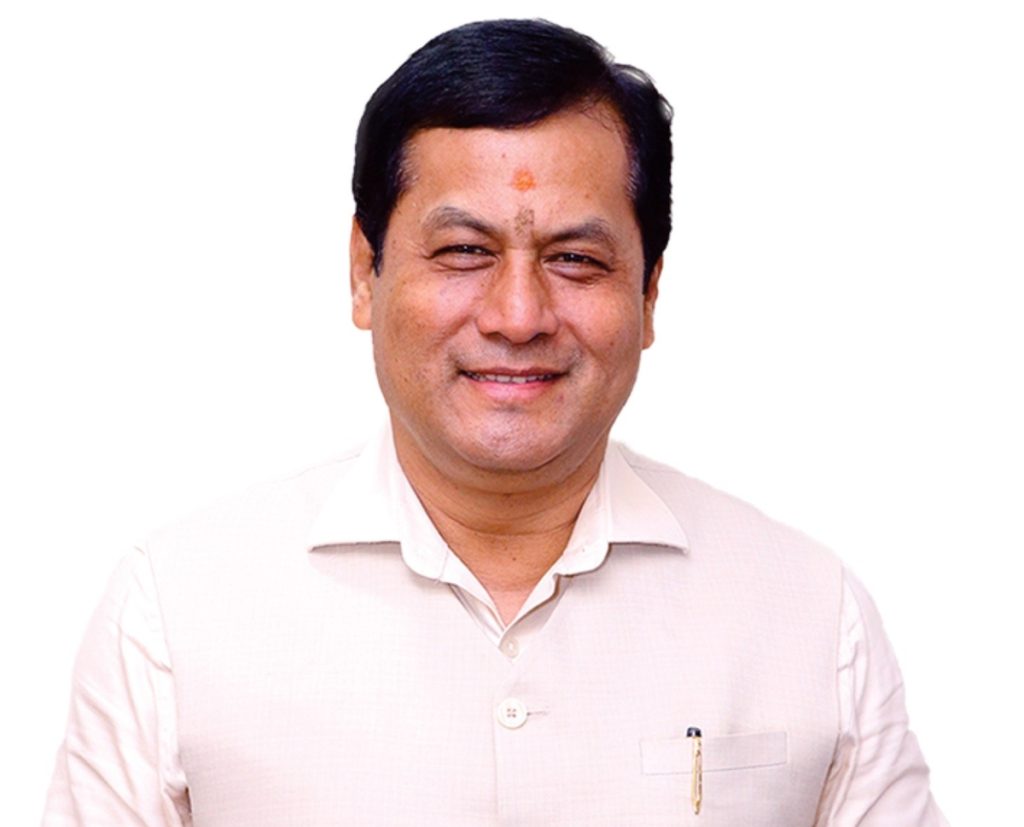
India regards South Korea as a critical ally in its ambition to strengthen its shipbuilding industry and enhance maritime security, as highlighted by Sarbananda Sonowal, the Minister of Ports, Shipping, and Waterways. India aims to become one of the world’s top five shipbuilding nations by 2047, driven by its “Viksit Bharat 2047” initiative, which targets economic development as the country approaches the centenary of its independence.
To support its aspirations, India plans a significant investment of $24 billion to expand its commercial fleet from 1,500 to 2,500 vessels by 2030. This goal underscores India’s commitment to enhancing self-reliance in shipbuilding. Key to reaching these targets is forging international partnerships, particularly with South Korea, renowned for its advanced shipbuilding technology and expertise in constructing high-quality ships.
Sonowal emphasized that South Korea’s strengths in precision engineering, particularly with liquefied natural gas (LNG), and efficient production systems can significantly aid India’s ascent in the global shipbuilding hierarchy. He noted that the lessons from South Korea’s rapid economic transformation—rooted in focused industrial policies, technology absorption, and a disciplined workforce—are crucial for India’s 2047 objectives.
India is already collaborating with major South Korean shipbuilders like Hanwha Ocean and HD Hyundai. A notable development includes a partnership agreement signed in July between HD Hyundai and Cochin Shipyard Ltd., marking a historic first for South Korean firms working with Indian shipbuilders. These partnerships are anticipated to bring long-term benefits, including skill transfers, the establishment of new shipbuilding clusters, and the creation of a comprehensive supply chain ecosystem.
Sonowal projected that joint ventures between Indian and Korean companies could lead to new shipyards in India, potentially catering to both domestic and international ship demands. He highlighted the complementary advantages of India’s large shipbuilding market, skilled workforce, and cost competitiveness, alongside South Korea’s technological prowess.
Further, India’s geographic location offers strategic advantages, positioning it as an attractive manufacturing hub for South Korean firms. However, Sonowal acknowledged that foreign companies might encounter challenges in the Indian market, such as lengthy project cycles and the need for infrastructure development. To mitigate these issues, the Indian government recently approved a substantial package worth around 697 billion rupees ($8 billion) aimed at revitalizing the shipbuilding and maritime sectors.
In addition to traditional shipbuilding, India seeks to foster cooperation in areas like port digitalization, green shipping, maritime cybersecurity, technology partnerships, and skill development. Sonowal expressed hope that South Korea could be a strategic investor, helping India adopt innovative ship designs, automation processes, and global quality standards. This partnership aims not only to transform India’s shipbuilding capabilities but also to create synergies beneficial for both nations in an increasingly competitive global market.