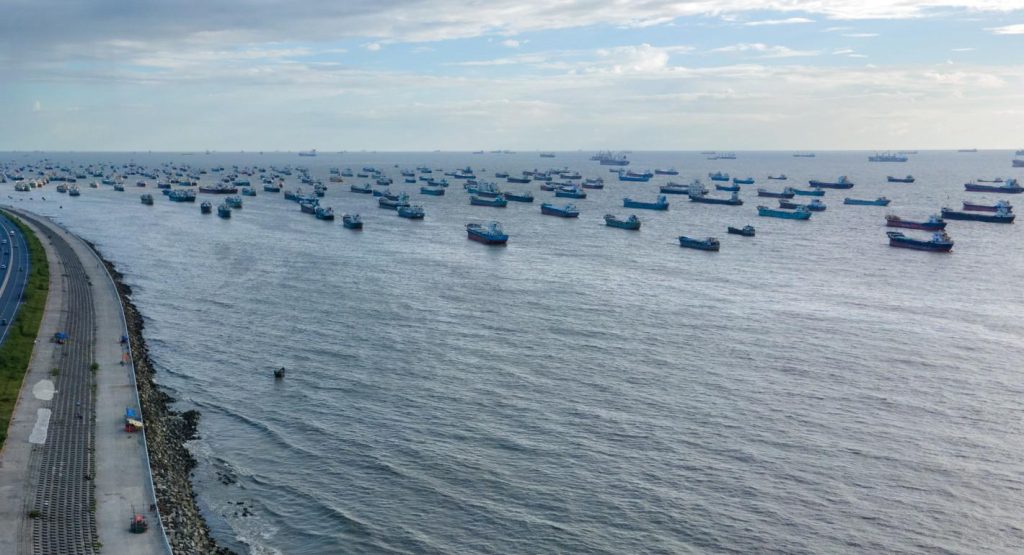
The Indian Ocean region has long been a crucial hub for trade and commerce, handling over one-third of global bulk cargo and two-thirds of oil shipments. Spanning from the eastern coast of Africa to Australia, this area is home to 33 nations and approximately 2.9 billion people. The region’s strategic importance has led global players to collaborate with regional partners for maintaining access to essential waterways and resources.
Traditionally, analysis of the Indian Ocean has been hindered by a fragmented view, splitting it into continental sections. Understanding its true geopolitical significance requires treating the region as a cohesive whole, which the Carnegie Endowment for International Peace’s Indian Ocean Strategic Map aims to unify through a data-driven approach. This map highlights critical players, security challenges, and the interplay of economic, political, and military factors shaping the region.
### Key Players
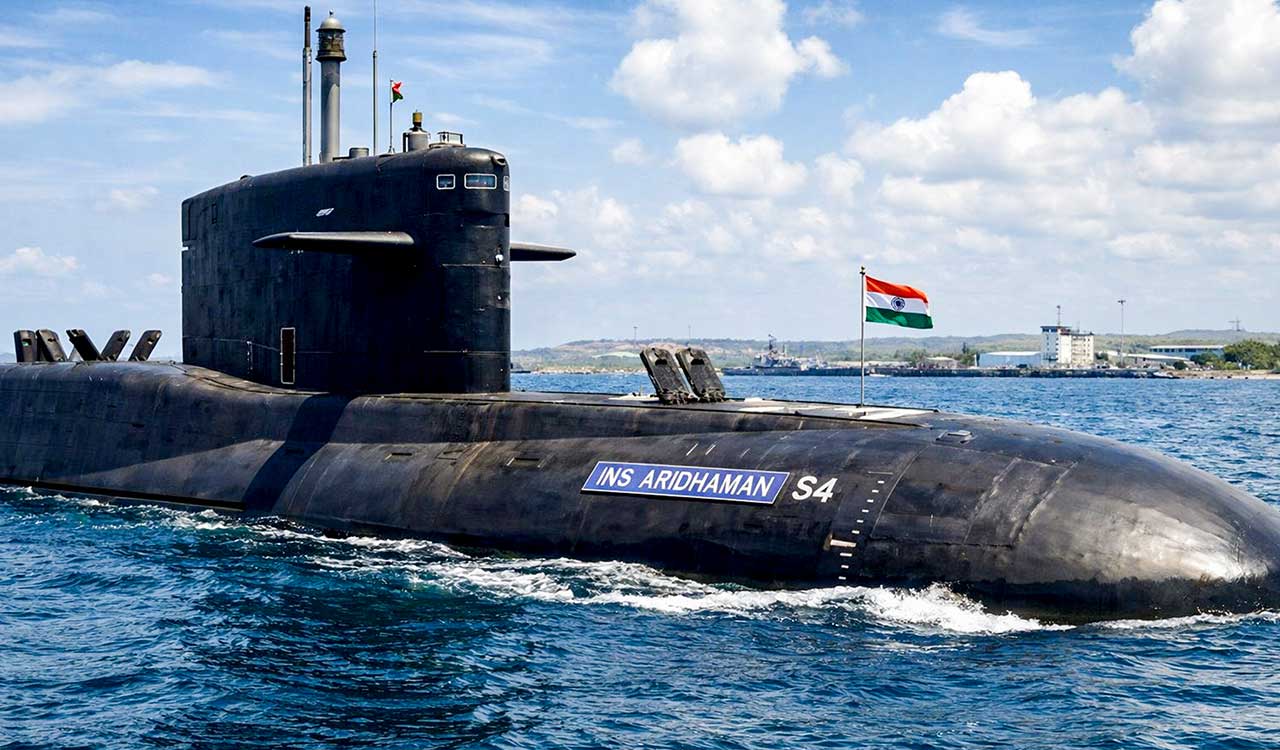
Traditional players include India, the U.S., France, Australia, the U.K., and Japan, each with unique interests and historical ties to the Indian Ocean. India, with its extensive coastline and active naval presence, serves as a key regional security provider. The U.S. maintains a significant military footprint, focusing on partnerships, particularly with India, to strengthen its Indo-Pacific strategy. France’s historical presence persists through its overseas territories, offering strategic and humanitarian support. Australia stands out for its expansive coast and has increased cooperation with regional partners on various security issues.
Emerging players, namely China, the UAE, Saudi Arabia, Türkiye, and Russia, have begun to exert influence through investments and military partnerships. China’s Belt and Road Initiative has deepened ties with numerous nations in the region, particularly in energy sectors. The UAE has established economic partnerships across coastlines, while Russia, although less dominant, remains active in military and diplomatic engagements.
### Security Concerns
The Indian Ocean faces multifaceted security challenges, from sovereignty disputes to environmental threats. Ongoing territorial disputes highlight tensions between great powers and island nations, with examples including the Chagos Archipelago and its contentious governance by the U.K. Climate change exacerbates vulnerability among island states reliant on fishing and tourism, while illegal fishing and piracy pose economic threats. Collaborative frameworks, such as the Djibouti Code of Conduct, aim to mitigate piracy and enhance maritime security.
### Economic Dynamics
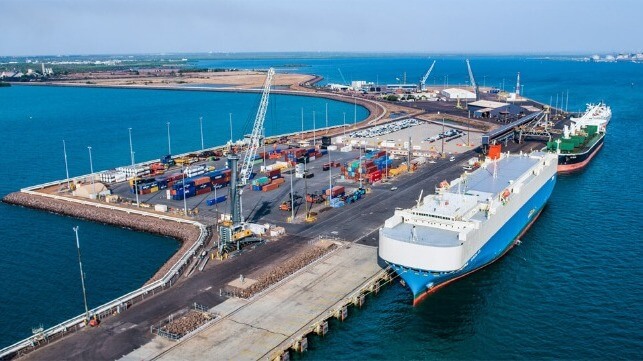
Economically, the Indian Ocean is vital, contributing significantly to global oil trade and various commodities. With key shipping routes traversing its choke points, disruptions could have far-reaching impacts on international trade. The blue economy is gaining traction, emphasizing sustainable use of marine resources, which is vital for both island and littoral nations.
### Conclusion
As geopolitical competition unfolds, the Indian Ocean will likely see increased relevance in discussions surrounding trade, security, and climate adaptation. Engagement from both traditional and emerging powers indicates a complex interplay of interests that will shape the region’s future. The ongoing need for international cooperation highlights the potential for collaborative responses to non-traditional security aspects, paving the way for a cohesive maritime strategy that aligns with the growing significance of the Indian Ocean on the global stage.