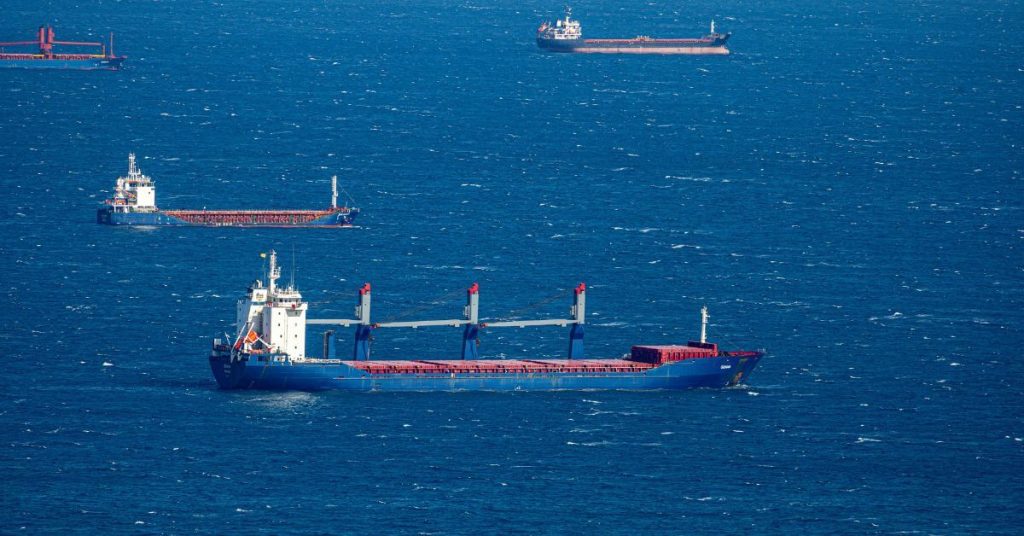
Tensions in the Gulf, particularly near the Strait of Hormuz, have left nearly 20,000 seafarers stranded, prompting international concern for their safety. A safe maritime corridor has been proposed at a recent International Maritime Organization (IMO) meeting in London, aimed at facilitating the safe transit of merchant ships amid the rising conflict. This initiative comes from a coalition including Bahrain, Japan, Panama, Singapore, and the UAE, with backing from the United States.
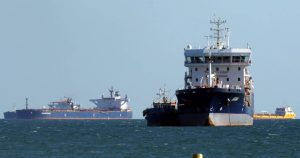
The Strait of Hormuz, a crucial passage for global oil and gas shipments, is currently seeing around 3,200 vessels anchored west of the strait. Shipowners are increasingly worried about potential attacks from Iran, which has issued warnings to vessels attempting to leave the Gulf. The situation has led to prolonged deployments for crews, diminishing rest periods, and escalating stress levels. So far, the conflict has reportedly resulted in the deaths of at least seven sailors since its onset.
Maritime organizations are advocating for global assistance to ensure that stranded seafarers can maintain communication, receive adequate supplies, and effectively rotate crews. The dangers are highlighted by recent incidents, with 21 vessels having been attacked or targeted since tensions began to escalate. Consequently, ship movements have plummeted, insurance costs have surged, and many companies are deeming it safer to reroute their vessels. These maneuvers have contributed to rising oil prices, reflecting growing concerns over supply disruptions.
During the IMO meeting, there were evident disagreements regarding the root causes of the conflict. Gulf nations and the U.S. strongly condemned Iran’s actions, labeling them illegal and detrimental to international trade. In contrast, Iran denied responsibility for escalating tensions, attributing blame to the United States and Israel. Russia also criticized the discussions, describing them as one-sided.
In summary, ongoing tensions in the Gulf are not only jeopardizing the safety of seafarers but are also affecting global shipping routes and oil prices. The proposed safe maritime corridor seeks to address these urgent safety concerns, although geopolitical disputes continue to complicate the situation.
Original publication date: [original_date]