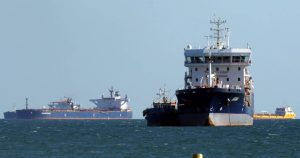
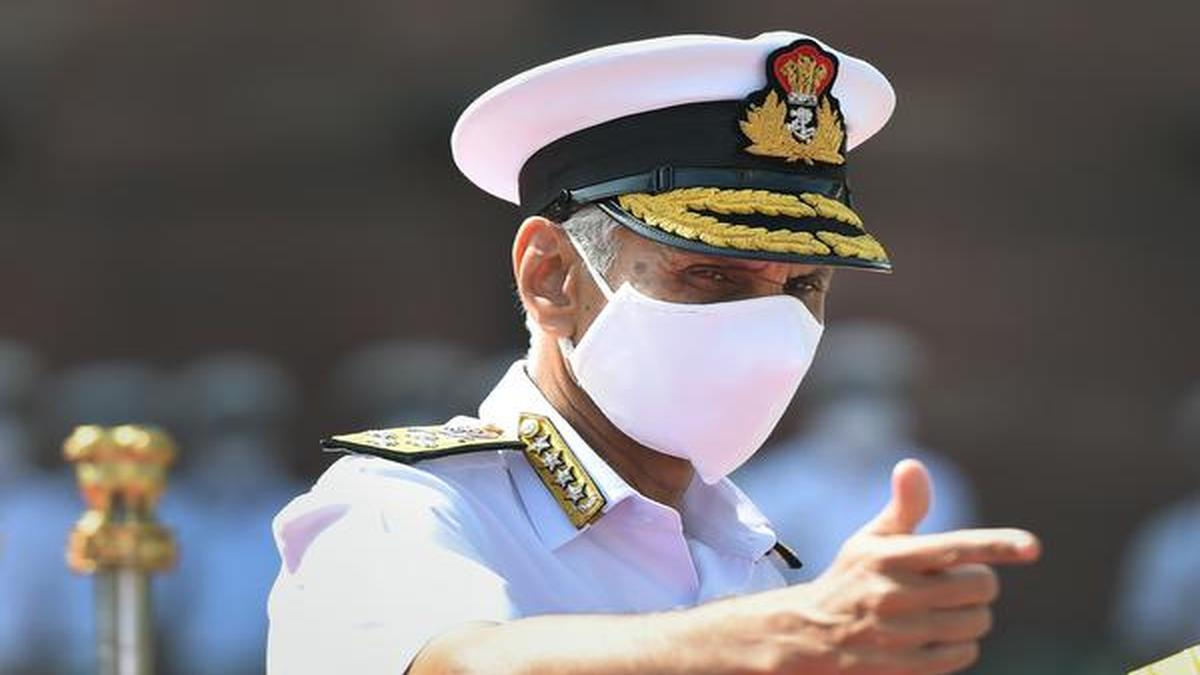
The Maritime Leaders Conclave, part of India Maritime Week 2025, recently showcased Mumbai’s pivotal role in the nation’s maritime sector. Historically linked to maritime trade and naval prowess, India has a rich heritage, exemplified by legendary figures like Chhatrapati Shivaji Maharaj. The conclave brought together CEOs and stakeholders, highlighting an optimistic outlook on port-led development in India.
Upon assuming office a decade ago, the Indian government recognized the challenges in the maritime sector, characterized by outdated laws and restricted capacities. To address this, significant reforms focusing on infrastructure, public participation, and modernization were implemented. These efforts have transformed India’s maritime landscape into one of modern infrastructure, fostering global trust and national pride.
The results of these reforms are striking. India’s port capacity has surged from 1,400 to 2,762 million metric tons per annum (MMTPA), and cargo handling has increased from 972 to 1,594 million metric tons (MMT). Significantly, vessel turnaround times improved drastically from 93 hours to 48 hours, while net surplus grew ninefold, showcasing enhanced efficiency through an improved operating ratio.
A key component of this transformation has been the growth of India’s skilled seafarer workforce, which has expanded from 125,000 to over 300,000, now representing 12% of the global seafaring workforce. This places India among the top three providers of trained seafarers globally.
Expansion is also evident in shipping and waterways. The number of Indian-flagged vessels rose from 1,205 to 1,549, with gross tonnage increasing from 10 million gross tons (MGT) to 13.52 MGT. Coastal shipping cargo nearly doubled, and inland waterway cargo skyrocketed by 710%, highlighting a robust shift towards utilizing water routes.
Sustainability remains a cornerstone of India’s maritime vision. Notably, Vizhinjam Port has emerged as the country’s first deep-water transshipment hub, while Kandla Port features India’s inaugural green hydrogen facility. Ambitious projects like the Vadhvan Port in Maharashtra, which will be one of the few deep-draft ports globally, are set to significantly enhance logistics and trade opportunities through superior connectivity.
Additionally, landmark reforms have streamlined maritime governance. Key legislation, such as the Bills of Lading Bill and the Indian Ports Bill, have modernized trade regulations and aligned India with global standards. The government has also approved a substantial 70,000 crore umbrella package aimed at invigorating the maritime sector.
Investment opportunities abound, making India an attractive destination for maritime investments. With a vast coastline, strategic trade routes, world-class ports, and a strong vision for Blue Economy growth, India is primed for international investors. The call to action is clear—India’s youth and innovative ecosystem position the country as a burgeoning hub for maritime development.
This summary encapsulates the key points from Prime Minister Narendra Modi’s reflections on India’s maritime advancements, emphasizing progress, potential, and opportunities for investment in the sector.
Source link