The 1987 Dona Paz and MT Vector Collision: A Tragic Maritime Disaster
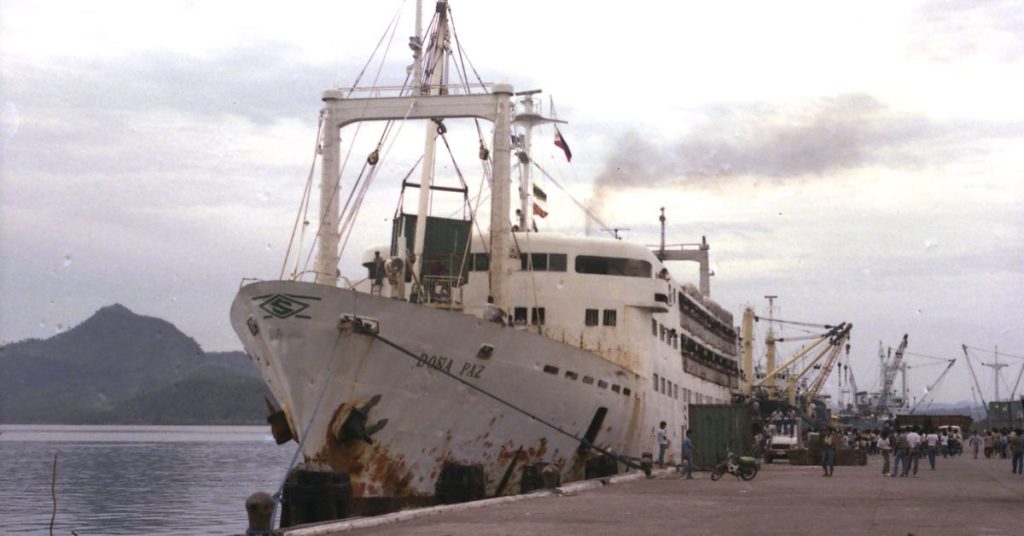
The collision between the MV Dona Paz and the oil tanker MT Vector on December 20, 1987, remains the deadliest ship collision in history, claiming the lives of 4,386 people. Known as ‘Asia’s Titanic’, this tragedy occurred in the Tablas Strait near Manila, Philippines, during the busy Christmas season when the ferry was overloaded with more than 4,000 passengers, far exceeding its capacity of 1,518.
Incident Overview
On the fateful night, the MV Dona Paz was traveling from Tacloban to Manila, packed with holiday travelers. At approximately 10:30 p.m., in clear weather, the ferry collided with MT Vector, which was carrying 8,800 barrels of petroleum products. Despite the visibility being good, a choppy sea condition contributed to the unfortunate event.
The collision resulted in a catastrophic explosion as the tanker’s flammable cargo ignited. Most passengers were asleep, and the sudden chaos left no time for evacuation. Survivors described a horrific scene filled with panic, darkness, and fire; many found themselves unable to locate life vests, and lifeboats could not be launched due to the chaos. Those who escaped to the decks leaped into the sea, unaware that the water was ablaze from the spilled fuel.
Survivor Accounts and Casualties
Among the 26 survivors, only 24 were passengers from the Dona Paz, while the two from the Vector had been asleep during the incident. A Philippine Constabulary corporal noted that evacuation was thwarted by darkness and panic. The ferry sank within two hours, while the MT Vector followed suit approximately four hours later. Emergency response efforts were severely delayed, commencing only several hours after the collision.
Investigation Findings
An investigation revealed multiple failures in maritime safety: both vessels were found to have significant operational deficiencies. The MT Vector was deemed unseaworthy, operating without a valid license and with an underqualified crew. Similarly, the Dona Paz had minimal experienced personnel on the bridge during the collision, as many crew members were engaged in leisure activities, leaving only an apprentice at the helm. These lapses, combined with the ships’ lack of functional radios, hampered rescue efforts and highlighted serious negligence by both vessels’ operators.
The Philippine Supreme Court ruled that the tanker’s negligence was primarily responsible for the disaster, holding its owner accountable and ordering compensation for the victims’ families.
Technical Specifications and Background
MV Dona Paz, built in 1963, was a passenger ferry that underwent several name changes and operational upgrades before the tragedy. It had a valid capacity of 1,518 but was regularly overloaded, especially during peak seasons like Christmas. The ferry’s safety equipment was poorly maintained, contributing to the disaster’s high death toll.
The MT Vector, constructed in 1980, was primarily used for transporting petroleum products. Its senior navigator held only a second mate’s license, and the crew was reportedly celebrating during the voyage, further compromising safety.
Aftermath and Remembrance
The wrecks of both vessels were discovered in December 2019, close to each other in the depths of the Tablas Strait. This tragedy serves as a grim reminder of the consequences of human error in maritime operations, emphasizing the importance of rigorous adherence to safety measures to prevent future disasters. The Dona Paz and MT Vector disaster remains a pivotal case study in maritime safety and disaster management, highlighting the urgent need for improved regulatory enforcement in the shipping industry.