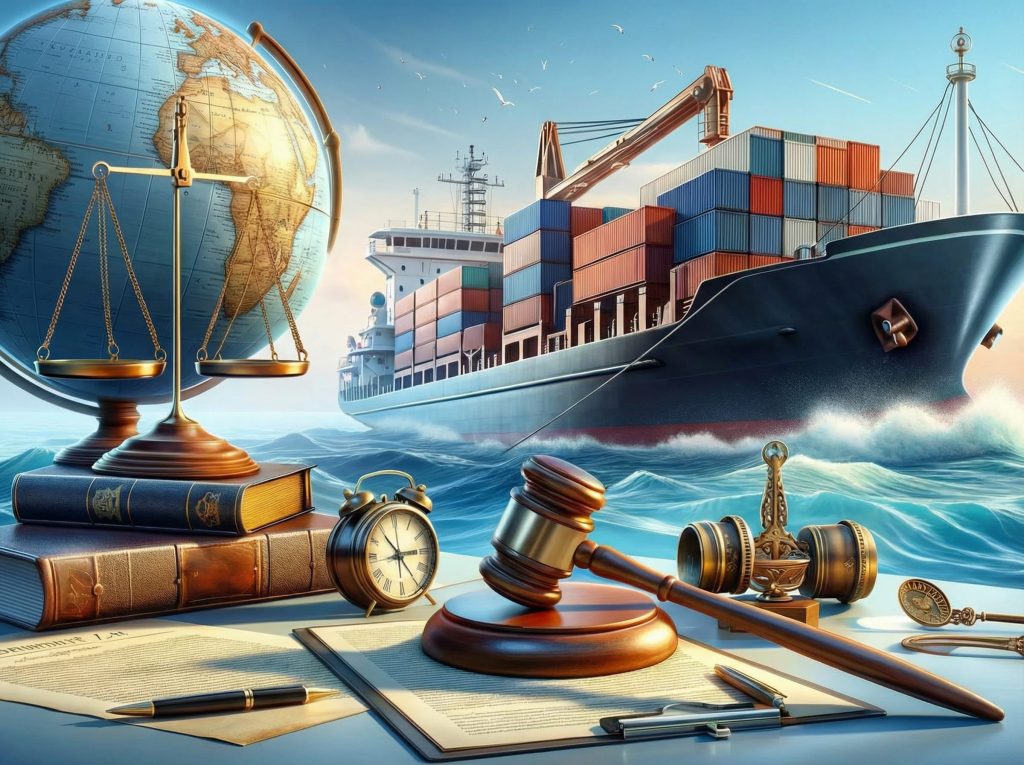
Maritime law is the backbone of the shipping industry, ensuring safety, environmental protection, and smooth operations on the world’s oceans. As global trade continues to expand, understanding both international conventions and local regulations is crucial for maritime professionals, shipowners, and operators—especially in strategic hubs like Singapore.
International Conventions: The Pillars of Maritime Safety and Sustainability
SOLAS (Safety of Life at Sea)
The International Convention for the Safety of Life at Sea (SOLAS) is one of the most important treaties governing maritime safety. Established by the International Maritime Organization (IMO), SOLAS sets minimum safety standards in the construction, equipment, and operation of ships. Key requirements include:
- Fire protection and safety systems
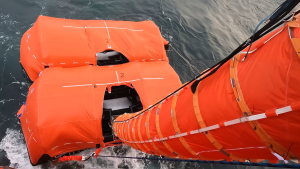
- Life-saving appliances and arrangements
- Navigation and communication equipment
- Regular safety drills and crew training
Compliance with SOLAS is mandatory for all ships engaged in international voyages. Non-compliance can result in detentions, fines, and reputational damage.
MARPOL (Marine Pollution)
The International Convention for the Prevention of Pollution from Ships (MARPOL) is the primary instrument addressing environmental concerns in shipping. MARPOL regulates:
- Oil pollution (Annex I)
- Noxious liquid substances (Annex II)
- Harmful substances in packaged form (Annex III)
- Sewage (Annex IV)
- Garbage (Annex V)
- Air pollution (Annex VI)
Shipowners must implement measures such as oil-water separators, sewage treatment plants, and emission controls to comply with MARPOL. Regular inspections and documentation are essential for demonstrating compliance.
Local Regulations and Compliance Tips: Spotlight on Singapore
Singapore, as one of the world’s busiest ports, enforces stringent maritime regulations to maintain safety and environmental standards.
Key Local Regulations
- Merchant Shipping Act: Governs ship registration, crew certification, and ship safety in Singapore waters.
- Port Regulations: Managed by the Maritime and Port Authority of Singapore (MPA), these cover port operations, vessel traffic, and pollution control.
- Workplace Safety and Health Act: Applies to shipyards and maritime operations, mandating risk assessments and safety protocols.
Compliance Tips for Operators
- Stay Updated: Regulatory requirements evolve. Subscribe to MPA circulars and IMO updates.
- Invest in Training: Ensure crew and shore staff are regularly trained on safety and environmental procedures.
- Maintain Documentation: Keep records of inspections, certifications, and incident reports ready for audits.
- Engage Local Experts: Consult maritime lawyers and compliance specialists familiar with Singapore’s regulatory landscape.
- Implement Technology: Use compliance management systems to track deadlines, renewals, and regulatory changes.
Expert Guidance for Global Maritime Success
Navigating the complex landscape of maritime law requires diligence, expertise, and continuous learning. By understanding both international conventions like SOLAS and MARPOL, and local regulations in key hubs such as Singapore, operators can ensure safe, compliant, and sustainable operations.
Explore more guides and expert opinions at maritimefairtrade.org to stay ahead of regulatory changes and industry best practices.