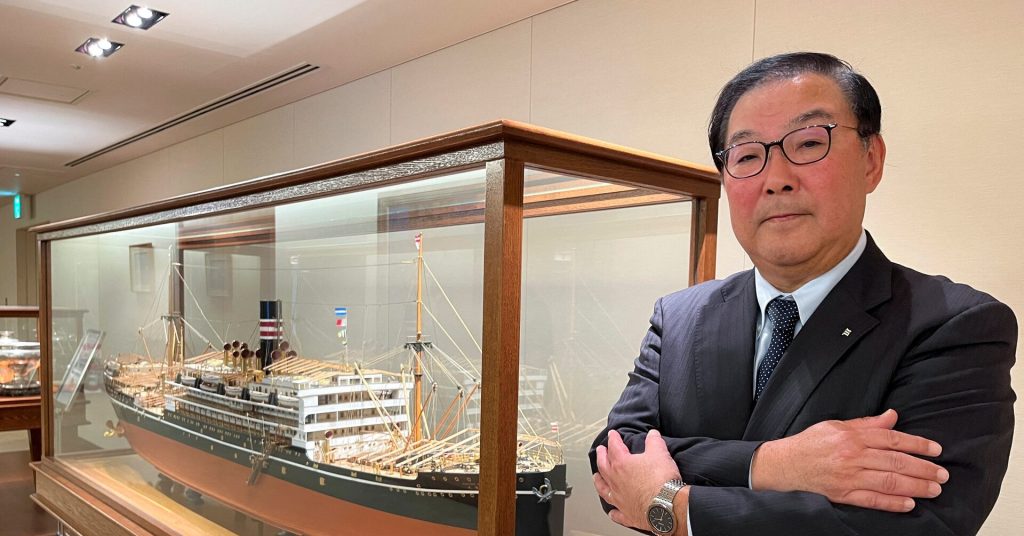
In a recent interview, Takaya Soga, President of Nippon Yusen (NYK), Japan’s largest shipping line, expressed concerns about the impact of U.S. tariffs, particularly those proposed by President Donald Trump. These tariffs could lead to increased costs for automobiles and everyday goods, potentially weakening consumer demand and slowing cargo flows. Soga noted that while tariffs may not directly increase consumer prices, the ultimate burden tends to trickle down to the consumers, thereby affecting the volume of goods transported.
Trump’s recent announcement of a 25% tariff on automobile imports poses significant risks to Japan’s export-driven economy. Additionally, the U.S. is planning reciprocal tariffs against all trading partners, which could exacerbate the situation. Soga anticipates that the actual impact on shipping and logistics will depend heavily on cargo movements.
Despite these challenges, Soga also identified potential advantages stemming from the tariff-related disruptions. Similar to how the COVID-19 pandemic impacted logistics by creating procedural delays, Soga believes these tariffs could similarly tighten ship demand and increase freight rates. He noted that should China begin sourcing raw materials from other countries due to U.S. tariffs, it could present new business opportunities for NYK.
Cargo movement experienced a brief surge in December as consumers stocked up on goods in anticipation of the tariffs before the Chinese New Year. However, no significant shifts in material flows have occurred since the tariffs were implemented. The U.S. government is also considering docking fees for ships associated with Chinese-built or flagged vessels—this particularly affects a small portion of NYK’s fleet.
On a broader scale, geopolitical tensions in the Middle East have led to a continued avoidance of the Red Sea due to risks associated with attacks from Yemen’s Houthi militants. Last year, many vessels opted for longer routes around Africa to circumvent these dangers, straining logistics further.
While container congestion in the Panama Canal has improved, Soga urged the Panama Canal Authority to prioritize liquefied natural gas (LNG) tanker traffic once again. NYK is also navigating investment opportunities in offshore wind power projects, although developments in Japan may be slower than anticipated due to market conditions, with overseas investments expected to proceed more promptly.
In summary, while tariffs pose significant challenges for the shipping industry, they may also open up new avenues for business. NYK is closely monitoring both domestic and international developments as it adapts its strategies in this evolving landscape.
Source link