
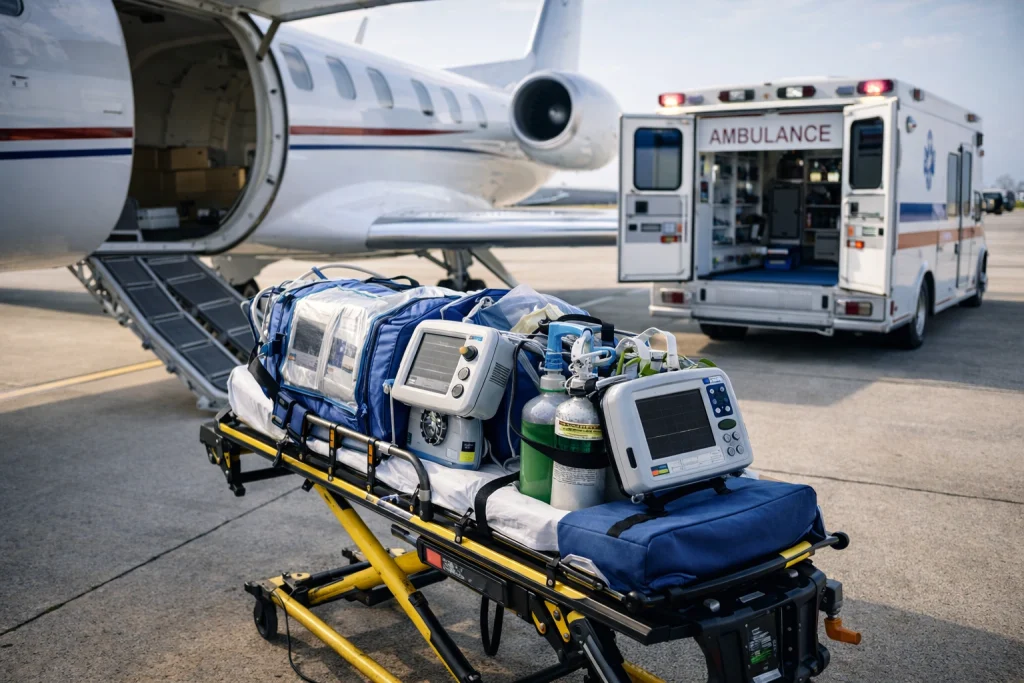
The maritime industry is vital for global trade, with seafarers as its core, yet their work involves significant health risks that sometimes necessitate medical repatriation—returning an individual to their home for medical reasons. This process can disrupt their career progression and impose emotional and financial burdens on them and their shipping companies. It also affects the remaining crew and overall ship operations.
This study investigates medical repatriation patterns among Filipino seafarers employed by a major shipping company over ten years, from 2013 to 2022. The Philippines is a leading supplier of seafarers, comprising approximately 20% of the global workforce. Understanding the trends and factors affecting repatriation is crucial for improving the health of seafarers and enhancing the maritime industry’s sustainability.
The analysis focused on 924 repatriation cases. Categorization of these cases followed the International Classification of Diseases (ICD-11), emphasizing injuries, musculoskeletal conditions, and gastrointestinal issues, as key contributors to repatriation. Injuries accounted for about 20% of cases, with hand injuries being the most frequent, while musculoskeletal problems like low back pain were also prevalent. Gastrointestinal conditions like acute appendicitis were notable, alongside cardiovascular issues, primarily hypertension. Infectious diseases were highlighted, notably COVID-19, which significantly impacted repatriation rates from 2020 onward.
A key finding was a declining trend in repatriation rates tied to cardiovascular and gastrointestinal conditions. This decline could suggest improvements in seafarers’ health, possibly linked to a holistic healthcare program initiated by the shipping company in 2018. The program aims to address various health dimensions—physical, mental, nutritional—and includes initiatives like health talks and a dedicated health app.
Despite the progress, high rates of injuries indicate ongoing occupational hazards, suggesting the need for better safety measures and preventative strategies. Continuous monitoring of health trends among seafarers is essential, especially considering the evolving nature of health risks like COVID-19.
The study presents a compelling case for a holistic approach to seafarer health, underscoring the importance of collaboration across sectors—policymakers, medical clinics, and shipping companies—to enhance seafarers’ well-being. By investing in their health and implementing comprehensive care programmes, the maritime industry can improve the resilience and sustainability of its workforce. Further investigation into the efficacy of such healthcare interventions is essential for long-term success.