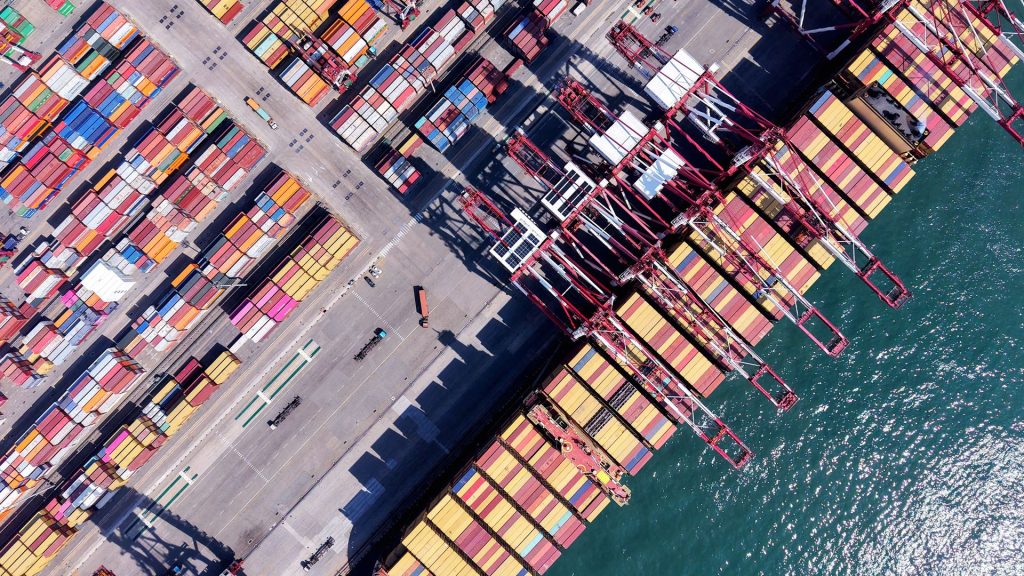
Chinese companies are increasingly employing tactics to bypass tariffs imposed by the Trump administration by shipping products through third countries, a practice known as “place-of-origin washing.” This strategy has raised concerns among neighboring countries, as many of these nations may involuntarily play a role in concealing the actual origins of Chinese goods destined for the U.S.
With the U.S. imposing tariffs as high as 145% on certain imports from China, many Chinese exporters are looking for ways to maintain access to American markets. Shipping firms have begun advising businesses to send their products to neighboring nations, where they can be relabeled as locally made before being shipped to the U.S. This tactic can significantly reduce tariff costs. One lighting salesperson noted this process allows products to be sold at a lower cost, facilitating entry into the U.S. market.
However, U.S. trade regulations stipulate that simply passing goods through a third country is not sufficient for a new country of origin label to be applied. The product must undergo substantial transformation in the third country, adding value and quality improvements for it to be considered as originating from there.
Countries that might serve as transit points for these products, such as Malaysia and Vietnam, are responding cautiously to these practices. Malaysia’s Ministry of Investment has expressed a commitment to upholding international trade standards, warning that circumventing tariffs through false declarations is a serious offense. Vietnamese officials have also urged exporters to strengthen their security measures to combat counterfeit certificates of origin.
Concerns are mounting among American businesses as they fear being misled by Chinese suppliers regarding product value and origins. A senior executive pointed out the risks posed when relying on suppliers who might manipulate these factors.
In addition to place-of-origin washing, other tactics being employed include the strategic moves of Chinese companies like Temu. This platform is recruiting U.S. businesses to help them comply with tariff regulations while expanding their reach in the market. Temu has halted shipments from China to the U.S. following the cessation of a tax exemption that previously allowed Chinese goods valued under $800 to enter duty-free. Instead, the company is now fulfilling orders from its U.S. warehouses, and analysts are closely monitoring how quickly they deplete their inventory.
The effectiveness of these tactics and the overall impact on Chinese exports will largely depend on the enforcement of U.S. Customs and Border Protection policies. Trade analysts are watching to determine whether companies like Temu can sustain their U.S. operations or will need to shift focus to other markets if tariffs continue to hinder their businesses. Overall, the evolving landscape of international trade amidst changing tariff regulations illustrates the complexities facing both Chinese exporters and American businesses.
Source link