The shadowy world of maritime smuggling, particularly in the context of sanctioned Iranian oil, is a grave reality for many seafarers. A vivid illustration comes from Shubham Singh, a 23-year-old Indian seafarer on the fishing vessel Meigou-4, who described a harrowing encounter with a coast guard speedboat while transiting through the waters off Dubai. His vessel engaged in daily ship-to-ship fuel transfers from Iran, a key component in a lucrative smuggling network thriving amid international sanctions aimed at Iran and Russia.
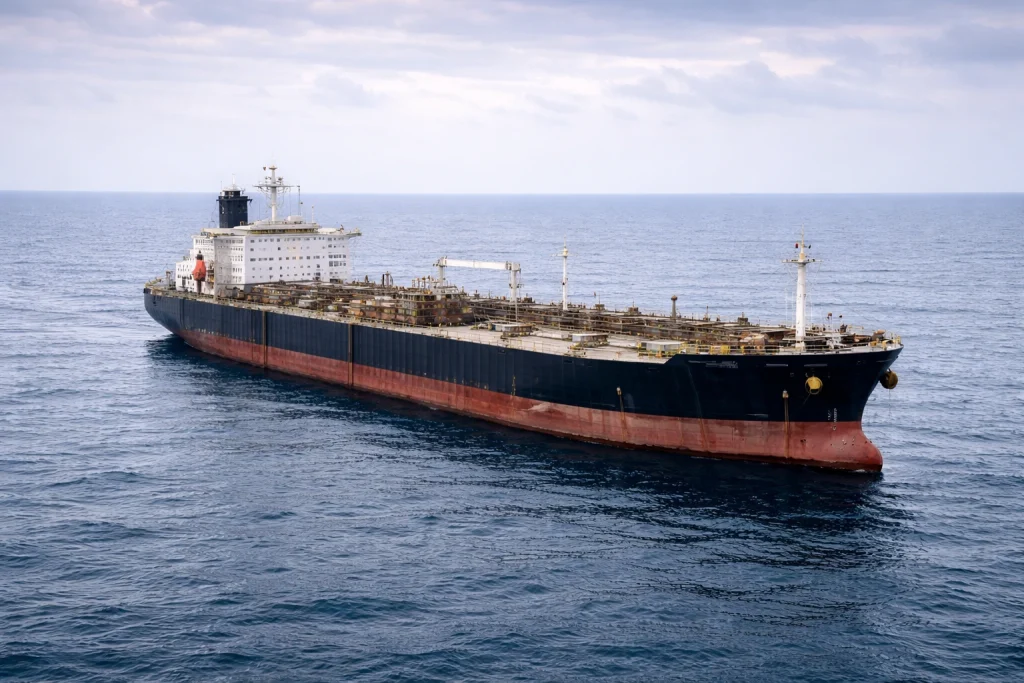
The global economy faces a significant challenge due to the rise of this “shadow fleet,” comprising vessels with opaque ownership and minimal oversight, which evade international regulation. Recent estimates suggest that about 17% of global oil tankers are involved in this trade, which has expanded by 45% in the last year alone due to stricter sanctions related to geopolitical conflicts, notably the U.S.-Russia tensions over the war in Ukraine. Cormac McGarry of Control Risks highlights that these sanctions have led to unforeseen consequences, fueling the growth of a shadow economy for oil and exacerbating human rights abuses among seafarers.
The illicit oil trade has caught the attention of many countries, with Iran and Russia being major players who have developed schemes to bypass restrictions on their oil exports. This underground economy has not only persisted but burgeoned, as countries like China, India, and even some in the European Union continue to import sanctioned oil, indirectly supporting these illicit operations. The dark fleet’s vessels often operate without insurance, fly flags of convenience, and manipulate their navigation systems to evade detection.
Recruitment for these high-risk positions is often predatory. Many inexperienced workers are lured with the promise of legitimate jobs but ultimately find themselves trapped in a web of exploitation, working under appalling conditions for little to no pay. Reports reveal a pattern of deceptive recruitment practices targeting impoverished individuals, primarily from countries like India, where job advertisements for maritime positions often come with hidden costs and unfulfilled promises.
Singh’s experience underscores the perils of this trade. Initially recruited under false pretenses, he ended up on a ship transporting sanctioned oil, cut off from communication and facing threats that left him fearful for his safety. After months at sea, he managed to escape with help from the International Seafarers’ Welfare and Assistance Network (ISWAN), revealing how many seafarers might remain trapped in abusive situations without any support.
Moreover, the risks extend beyond exploitation; accidents and fatalities have occurred, such as the fire onboard the Pablo tanker, highlighting a lack of safety standards among vessels in the shadow fleet. The resilience of these smuggling networks shows how intertwined geopolitics and human rights issues can be, as the enormous revenues generated from this illicit trade enable continued operations, often at the expense of the very workers they employ.
Despite the grim realities, the demand for work drives many vulnerable individuals toward these perilous roles, illustrating a complex dynamic of exploitation and resilience. As Singh reflects on his escape, the bigger picture reveals a concerning trend in global maritime practices that calls for urgent attention and reform in seafarer protections and international regulations surrounding the shadow fleet.